Key Points
- Glasgow’s former children’s hospital is being marketed for sale by Scotland’s largest health board.
- The site has a 112-year history, making it a notable part of the city’s healthcare heritage.
- The development concerns the former hospital building, rather than the modern children’s hospital currently in use.
- The move is part of a wider pattern of NHS estate management and asset disposal in Scotland.
- No verified detailed sale terms, buyer, or redevelopment plan are provided in the information available here.
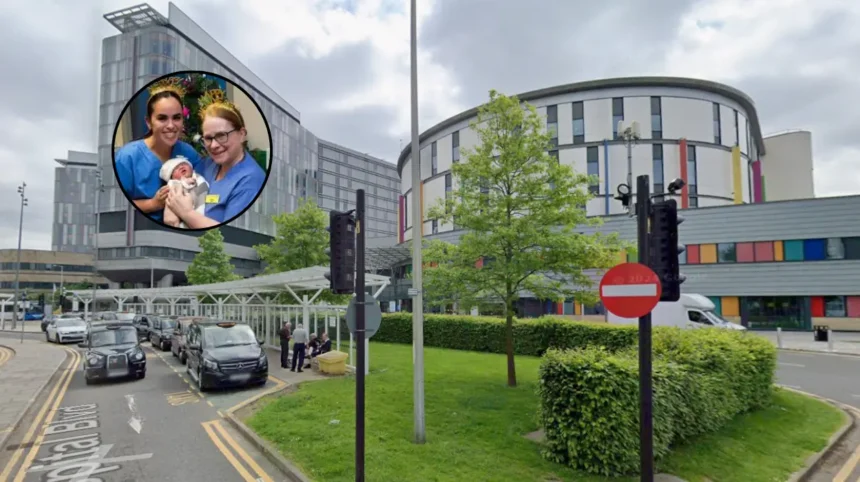
Glasgow (Glasgow Express) May 4, 2026 Glasgow’s former children’s hospital is to be marketed for sale by Scotland’s largest health board, marking a significant development for a building that has stood as part of the city’s healthcare landscape for more than a century.
What is being sold?
The development concerns Glasgow’s former children’s hospital, which is being prepared for sale after serving the city for 112 years.
The available information confirms that the property will be marketed by the health board, but it does not provide the exact sale method, valuation, or timetable. It also does not name a prospective purchaser or set out a confirmed redevelopment use.
Why is the hospital being sold?
The information available indicates that the sale is being handled by Scotland’s largest health board, which suggests the decision forms part of broader estate management. Public bodies often review older buildings when facilities are no longer needed in their original role, and the disposal of surplus assets can become part of that process.
However, no quoted explanation from the board, ministers, or hospital leaders is included in the material provided here.
What does the 112-year history mean?
A 112-year history points to a long period of service in Glasgow’s healthcare system, which makes the building more than just a vacant property.
For many residents, such hospitals carry civic and emotional value because they are linked to generations of families and medical care. Even so, the confirmed fact at this stage is limited to the building’s age and its inclusion in a sale process.
How does this fit NHS estate management?
Scotland’s NHS bodies regularly manage land and buildings that are no longer required for healthcare delivery.
The sale of former hospital sites is consistent with wider public-sector estate disposal practices, especially when services have moved to newer facilities. In this case, the available material points only to a sale being marketed, and not to any wider policy announcement attached to the Glasgow site.
What happens next?
The next step is likely to be the marketing of the property and interest from potential buyers, but no further verified detail is available here.
If a buyer comes forward, the future of the site will depend on planning controls, local authority decisions, and any conditions attached to the sale. At present, there is no confirmed information on whether the building will be retained, converted, or demolished.
Background of the development
Former hospital sites are often sold after services relocate to newer buildings or campuses. In Glasgow, the current Royal Hospital for Children is the main children’s hospital, while the former site has become surplus to healthcare needs. That makes this sale part of a longer transition from older hospital estates to modern facilities.
Prediction
For local residents and former patients’ families, the sale may raise questions about heritage, access, and the future appearance of the site. For the health board, it could create an opportunity to release an underused asset and redirect resources elsewhere. For the wider audience in Glasgow, the main impact will likely be whether the property is preserved in some form or redeveloped in a way that changes the character of the area.