Key Points
- Rescue teams from Greenock, Clydebank, and Helensburgh HM Coastguard gathered at Glasgow Cathedral for a special commemorative service.
- The annual gathering brings together frontline search and rescue personnel, emergency services, and community representatives from across the region.
- Volunteers and operational officers were formally recognized for their dedicated maritime rescue service and commitment to coastal safety.
- Representatives reflected on recent operational challenges, emergency response achievements, and inter-agency collaboration across the Firth of Clyde and surrounding waterways.
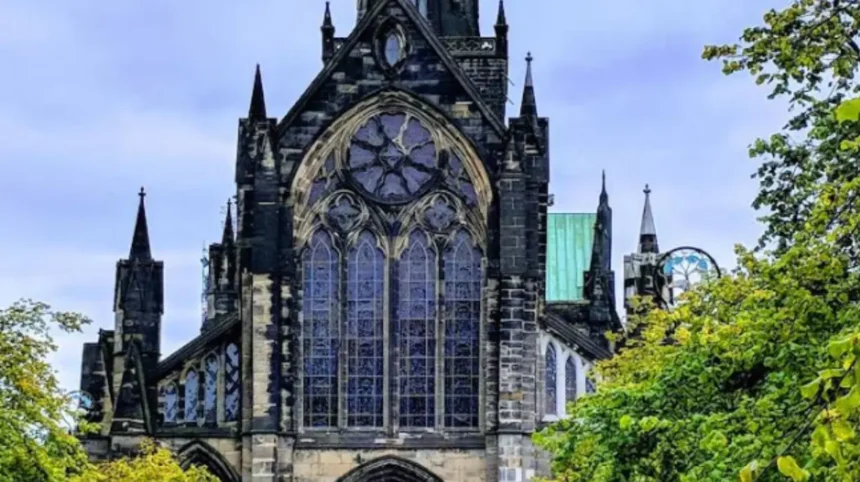
Glasgow (Glasgow Express) October 19, 2026 — Frontline maritime responders from the Clydebank, Greenock, and Helensburgh HM Coastguard rescue teams gathered at Glasgow Cathedral for a special service of commemoration and thanksgiving, honoring the dedication, sacrifice, and ongoing operational service of coastal rescue personnel across the West of Scotland.
- Key Points
- Why did HM Coastguard teams gather at Glasgow Cathedral?
- How do Clydebank, Greenock, and Helensburgh rescue units collaborate?
- What role do volunteer rescue officers play in coastal safety?
- Background of the particular development
- How this development can affect local communities and emergency service personnel
The formal assembly brought together volunteer rescue officers, full-time operational coordinators, emergency service partners, and local civic leaders within the historic landmark to reflect on the vital role played by HM Coastguard stations situated along the Firth of Clyde and adjacent coastal corridors.
Why did HM Coastguard teams gather at Glasgow Cathedral?
As detailed in reports covering local emergency service engagements, the special service at Glasgow Cathedral serves as a dedicated opportunity to acknowledge the selflessness and readiness of coastal rescue teams operating across complex maritime environments. Personnel from Clydebank, Greenock, and Helensburgh routinely respond to life-threatening incidents, including stranded vessels, mud rescues, cliff top recoveries, and missing person searches along extensive coastal stretches.
The service featured readings, reflections, and ceremonial proceedings dedicated to search and rescue operators who remain on call 24 hours a day, 365 days a year. Attendees paid tribute to the historical legacy of the Coastguard service while underscoring the modern operational demands faced by coastal units operating in unpredictable weather conditions and demanding marine terrain.
How do Clydebank, Greenock, and Helensburgh rescue units collaborate?
Operational efficiency along the River Clyde and the outer Firth depends heavily on seamless inter-team coordination. As highlighted in coverage by local news outlets detailing regional maritime safety, the Clydebank, Greenock, and Helensburgh teams regularly conduct joint training exercises and combined emergency responses to cover extensive geographic jurisdictions.
While the Clydebank unit frequently manages incidents along the inner river corridors and urban waterways, the Greenock and Helensburgh teams cover broader estuarine waters, sea lochs, and challenging shoreline reaches. The ceremonial service provided a rare opportunity for these neighbouring stations to assemble outside of high-pressure operational environments, strengthening inter-agency relationships and mutual support networks.
What role do volunteer rescue officers play in coastal safety?
HM Coastguard rescue teams are primarily composed of specially trained volunteers who balance full-time personal and professional commitments with emergency call-outs. During the cathedral service, public appreciation was expressed for the personal sacrifices made by volunteer officers and their families, as well as the support provided by employers who allow staff to deploy at a moment’s notice.
Rescue officers undergo rigorous continuous training in advanced first aid, water rescue, search techniques, pyrotechnics, and specialized equipment handling. The annual cathedral gathering serves to highlight this quiet public service, ensuring that the critical contribution of volunteer responders to national infrastructure and community safety remains recognized.
Background of the particular development
HM Coastguard operates as the frontline search and rescue arm of the Maritime and Coastguard Agency (MCA), tracing a long history of maritime protection across the coastline of the United Kingdom. In the West of Scotland, the geography of the Firth of Clyde—characterized by busy commercial shipping lanes, extensive recreational boating, deep sea lochs, and tidal river stretches—presents a complex operational environment requiring localized expertise.
Over recent years, regional coastguard stations including Clydebank, Greenock, and Helensburgh have experienced evolving operational demands driven by increased local marine traffic, coastal tourism, and extreme weather events. Special cathedral services and formal ceremonial gatherings have long formed an integral part of maintaining tradition, honoring deceased former members, and fostering morale among active personnel across emergency service sectors.
How this development can affect local communities and emergency service personnel
This commemorative development reinforces community awareness, volunteer recruitment, and operational readiness across the coastal regions of Dunbartonshire, Inverclyde, and Argyll and Bute.
Impact on Coastal Communities and Maritime Users
For local residents, water sports enthusiasts, commercial mariners, and visitors along the River Clyde, the public recognition of coastguard teams reinforces confidence in regional emergency response capabilities. Increased visibility of rescue units helps promote sea safety awareness and highlights the vital channels through which the public can summon emergency assistance along the shore.
Impact on Active Volunteers and Station Retention
For active search and rescue personnel and potential volunteers, formal recognition within landmark venues like Glasgow Cathedral provides meaningful validation of their unpaid service. Fostering strong morale and public acknowledgment plays a vital role in volunteer retention and recruitment, ensuring that stations in Clydebank, Greenock, and Helensburgh remain fully equipped with skilled local responders for future maritime emergencies.