
Key Points
- Independent MP Rosie Duffield said the Huw Edwards documentary could be “incredibly traumatic” for victims.
- Huw Edwards – Guilty will air on Channel 4 at 9pm on Tuesday, December 1, 2026.
- Channel 4 said the film examines Edwards’s criminal actions, abuse of power and loss of public trust.
- Senior Labour MP Anna Turley said public figures had too often received a “free pass”.
- Edwards pleaded guilty to three counts of making indecent images of children and received a suspended six-month prison sentence.
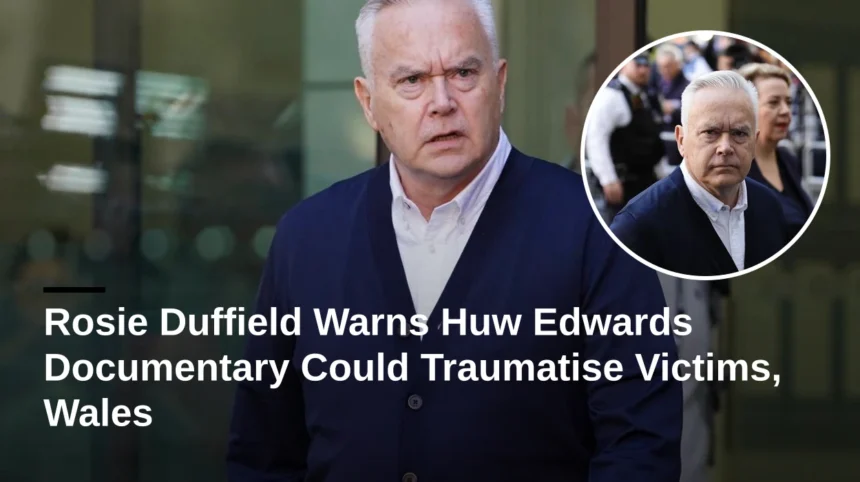
Rural Wales (Glasgow Express) November 27, 2026 – Independent MP Rosie Duffield has criticised Channel 4’s decision to broadcast a documentary featuring former BBC presenter Huw Edwards, warning that it could be “incredibly traumatic” for victims of the offences for which he was convicted. Huw Edwards – Guilty will show Edwards answering questions about his criminal actions and the collapse of his career when it airs on Tuesday, December 1.
Why has Rosie Duffield criticised the Huw Edwards documentary?
As reported by the Bournemouth Echo, Rosie Duffield, an Independent MP who sits on the Women and Equalities Select Committee and campaigns on behalf of abuse victims, described the programme as a “bizarre decision” by Channel 4 commissioners.
Ms Duffield questioned why viewers needed to hear Edwards discuss his experience, asking what benefit the programme would provide to victims, their families or Edwards’s family. She said people who had suffered abuse might find it distressing to see the case treated as entertainment and described the potential impact as “incredibly traumatic”.
“I’m not sure who it’s for. How does it benefit anyone?” Rosie Duffield told BBC Newsnight.
She also said victims should be able to watch television without being confronted again with details of what they had experienced.
What have ministers and broadcasters said?
As reported by the Bournemouth Echo and AOL, Senior Labour MP Anna Turley told LBC that she was “deeply uncomfortable” with the interviews and said many public figures had received a “free pass”.
Channel 4 said the documentary was a search for answers from a man attempting to come to terms with his abuse of power. Sacha Mirzoeff, Channel 4’s senior commissioning editor, said the film reflected the broadcaster’s established approach to controversial subjects.
Director Patrick Forbes said the documentary addressed celebrity culture, media power, crime and punishment. Channel 4 said the film was filmed over almost a year and follows Edwards at home in rural Wales.
What will Huw Edwards discuss in the programme?
According to Channel 4’s announcement, Edwards will publicly face questions about his criminal actions, betrayal of public trust and abuse of power. Trailer footage shows him responding to questions about what he was doing before the conviction and saying that “silence is toxic”.
The documentary follows Edwards after his conviction for three counts of making indecent images of children. He was sentenced to six months in prison, suspended for two years, after admitting the offences.
What happened before the documentary was announced?
Edwards was formerly one of the BBC’s best-known presenters, including as the face of News At Ten during major national events. His public downfall began after a July 2023 report by The Sun alleged that a senior BBC presenter had paid a teenager for sexual images. Edwards’s wife later identified him as the presenter involved in the allegations.
The criminal case later resulted in Edwards pleading guilty to making indecent images of children, including photographs shared through WhatsApp. Channel 4’s documentary follows his life after the conviction and departure from broadcasting.
How could the documentary affect victims and public debate?
The programme is likely to renew discussion about whether convicted public figures should receive a prominent television platform and how broadcasters should address the potential effect on victims. Rosie Duffield’s comments indicate that victims’ welfare will remain central to criticism of the programme.
Channel 4’s stated purpose is to examine Edwards’s actions and abuse of power, while the film’s broadcast may also prompt renewed scrutiny of celebrity culture, media accountability and the treatment of victims in high-profile criminal cases.