Key Points
- Scott Thornton, Chair of the Merchant City and Trongate Community Council (MCTCC), had his bicycle stolen in Glasgow city centre on Thursday, 15th October.
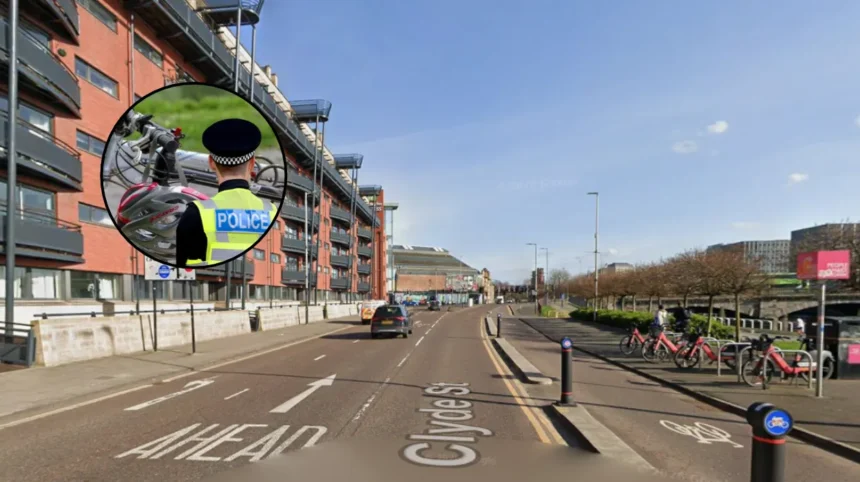
- The incident took place at approximately 12:00 pm outside the former Virgin Hotel building located on Clyde Street.
- Thornton had left his bicycle unattended for a brief period roughly 50 yards away whilst inspecting the building following social media reports of unauthorised access.
- Two strangers stepped in to assist Thornton, ultimately enabling the recovery of the stolen bicycle.
- Thornton described the overall resolution of the incident as a “kind of happy story” following the unexpected intervention of the public.
Glasgow (Glasgow Express) October 24, 2026 – A Glasgow city centre community leader successfully recovered his stolen bicycle following the unexpected intervention of two strangers on Thursday afternoon, turning a venue of opportunistic crime into what he described as a “kind of happy story”. Scott Thornton, Chair of the Merchant City and Trongate Community Council (MCTCC), was conducting a brief check on the former Virgin Hotel property on Clyde Street at around 12:00 pm when his unattended bicycle was taken. The recovery was made possible after members of the public noticed the situation and assisted in retrieving the property shortly after it was taken.
How Did the Theft of Scott Thornton’s Bicycle Take Place on Clyde Street?
As reported by local media coverage, Scott Thornton, who serves as the Chair of the Merchant City and Trongate Community Council (MCTCC), had travelled to Clyde Street in the Glasgow city centre area around midday on Thursday, 15th October. Thornton had stopped outside the premises of the former Virgin Hotel to check the perimeter and inspect whether there was evidence of individuals gaining unauthorised access to the vacant structure. His inspection came in response to several videos recently circulated across social media platforms showing groups of people inside the disused building.
During this check, Thornton left his bicycle unattended approximately 50 yards away from his position. Within that brief interval, an unidentified individual took the bicycle from the location. Upon returning to the spot where he had parked, Thornton discovered that the bicycle was missing, initiating a brief search of the immediate surrounding area in Glasgow city centre.
How Did Two Strangers Assist in the Recovery of the Stolen Bicycle?
As reported in the original coverage, the initial loss of the bicycle was quickly countered by the direct action of two passers-by who were present in the vicinity of Clyde Street. Upon realising that the bicycle had been taken without the owner’s consent, two strangers intervened to assist Thornton in tracking and retrieving the stolen property.
The joint effort by the two unnamed members of the public allowed Thornton to locate the bicycle a short distance from where it had been taken. The intervention prevented the permanent loss of the vehicle, leading Thornton to reflect on the incident as a positive demonstration of community assistance in the heart of the city. Reflecting on the swift outcome, Thornton noted that the event concluded as a “kind of happy story” due to the helpful response of the strangers who stepped forward during the incident.
What Is the Background to This Development in Glasgow City Centre?
The area surrounding Clyde Street and the broader Merchant City and Trongate districts have seen ongoing community attention regarding vacant commercial properties and local security. The former Virgin Hotel building on Clyde Street has been a subject of local monitoring following its closure. The property recently became a focal point for community representatives after videos surfaced on popular social media platforms showing individuals inside the premises, raising concerns regarding trespassing and building security.
Scott Thornton’s presence at the site was directly connected to his role as Chair of the Merchant City and Trongate Community Council (MCTCC). Community councils in Scotland act as statutory bodies formed to express the views of local residents to local authorities and public bodies. Thornton’s site visit was intended to gather visual confirmation of any structural vulnerabilities or unauthorised entry points at the Clyde Street location so that appropriate feedback could be provided to property manager networks or local authority representatives. Opportunistic thefts, particularly involving unsecured or briefly unattended bicycles, remain a persistent urban challenge across central Glasgow, making the immediate recovery of stolen items through direct bystander assistance a notable outcome for local residents.
How Can This Development Affect Glasgow City Centre Residents and Cyclists?
This development highlights several key operational and security factors that directly impact residents, commuters, and cyclists within the Glasgow city centre area.
Impact on Local Community Safety and Vigilance
The successful recovery of the bicycle demonstrates the potential impact of active community awareness in urban areas. For local residents and visitors in the Merchant City and Trongate areas, the event serves as a practical example of bystander intervention discouraging opportunistic crime. It may encourage a higher degree of mutual assistance among members of the public when observing suspicious activity in busy thoroughfares like Clyde Street.
Impact on Bicycle Theft Awareness and Parking Habits
The incident underlines the ongoing risk of opportunistic property theft in high-footfall city centre locations, even during brief periods of absence. Cyclists operating within central Glasgow may re-evaluate their temporary parking practices, opting for secured locking mechanisms even when stepping away from their bicycles for very short durations or within sight lines.
Impact on Monitoring Vacant Urban Properties
The background to the incident draws attention to the ongoing monitoring of disused commercial real estate across Glasgow. As community councils like the MCTCC continue to track reports of trespass originating from social media platforms, property owners and local law enforcement may face increased calls to reinforce perimeters around disused sites to prevent secondary security issues from arising in their immediate vicinities.