Key Points
- Ruby Hotels Expansion: The international hotel chain, currently operating 21 hotels across 14 countries, has expressed a “strong interest” in anchoring the redevelopment of a prominent Glasgow city centre corner.
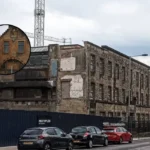
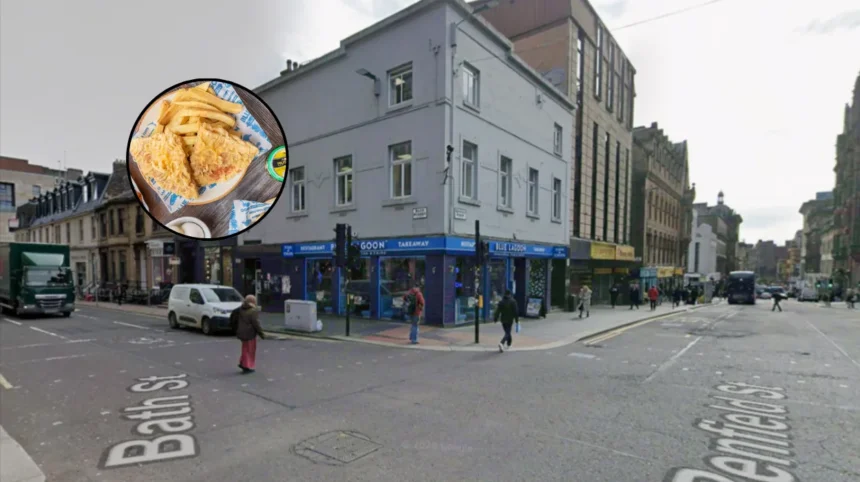
- Site Location: The proposed site sits at the junction of Bath Street and West Nile Street, formerly home to the historic Iron Horse pub, O Sole Mio restaurant, and a Blue Lagoon fish and chip shop.
- Planning Extension: George Capital has submitted a fresh application to Glasgow City Council seeking a “time extension” to preserve the planning permission for a hotel development.
- Scale of Project: The original 2020 consent allows for a 17-storey building featuring 183 hotel rooms.
- Controversial History: The project faced significant public backlash during its initial phase due to the loss of heritage businesses, specifically the Iron Horse pub which had served the city since 1872.
- Alternative Proposals: Alongside the hotel plans, the developer is also awaiting a decision on a separate application to repurpose the site for student accommodation.
Glasgow (Glasgow Express) May 14, 2026 — An international hospitality brand has confirmed its intent to occupy a contentious redevelopment site in Glasgow’s city centre, potentially reviving a massive hotel project that had stalled following the demolition of iconic local landmarks. Ruby Hotels, a Munich-based chain known for its “Lean Luxury” philosophy, has been named in a new planning submission as the prospective operator for a 17-storey development on the corner of West Nile Street and Bath Street. The move comes as the developer, George Capital, seeks to extend the life of existing planning permissions that were first granted in 2020 but remain unimplemented.
- Key Points
- What are the latest plans for the corner of West Nile Street and Bath Street?
- Why is a time extension being sought for this Glasgow hotel project?
- How has the public reacted to the loss of the Iron Horse and O Sole Mio?
- Who is Ruby Hotels and what is their “Lean Luxury” concept?
- Background of the West Nile Street Redevelopment
- Prediction: How will this affect Glasgow’s hospitality sector and residents?
What are the latest plans for the corner of West Nile Street and Bath Street?
The future of one of Glasgow’s most talked-about development sites has taken a definitive turn toward the hospitality sector.
According to official documents lodged with Glasgow City Council, George Capital is seeking to prolong the validity of its consent for a major hotel build. The primary driver for this extension is the emergence of a high-profile tenant.
As reported by Drew Sandelands of Glasgow Live, the latest application explicitly mentions Ruby Hotels as the party interested in leasing the premises.
The firm, which has a significant footprint across Europe, including sites in London, Dublin, and various German cities, is seeking to establish a foothold in the Scottish market. The inclusion of a specific international brand is seen as a move to demonstrate the commercial viability of the hotel plan to council planners, particularly as the site has remained vacant since the demolition of the previous structures.
Why is a time extension being sought for this Glasgow hotel project?
The hospitality and construction industries have faced significant headwinds since the original permission was granted in 2020. George Capital’s move to secure a time extension is a strategic effort to maintain the value of the site while finalising agreements with Ruby Hotels.
Under the current planning framework, permissions typically expire if work has not commenced within a specific timeframe. By filing for an extension, the developers are effectively keeping the “hotel option” alive. This is particularly notable because, as noted in the planning files, the firm has also explored alternative uses for the land.
According to reporting by The Herald’s business desk, the developer is currently awaiting a decision on a separate proposal to build a student accommodation block on the same footprint.
The sudden naming of Ruby Hotels suggests that the hotel model may once again be the preferred path for the developers, provided the market conditions and operator agreements align.
How has the public reacted to the loss of the Iron Horse and O Sole Mio?
The history of this specific site is mired in local sentiment and the loss of “old Glasgow.” The proposed 17-storey tower replaces buildings that held immense cultural value for residents and visitors alike.
- The Iron Horse: A legendary pub that dated back to 1872, known for its association with the Tartan Army and Scottish football fans.
- O Sole Mio: Recognised as one of Glasgow’s oldest Italian restaurants, having opened its doors in 1965. While the restaurant has successfully relocated to new premises further along Bath Street, the loss of its original home was widely mourned.
As documented by Catriona Stewart in previous coverage for the Glasgow Times, the original application in 2020 met with “widespread opposition.”
Campaigners argued that the demolition of these low-rise, historic buildings in favour of a glass-and-steel skyscraper would permanently alter the character of the city centre. Despite hundreds of objections, the council ultimately sided with the economic benefits of a new hotel, leading to the eventual closure and demolition of the original businesses.
Who is Ruby Hotels and what is their “Lean Luxury” concept?
If the development proceeds, Glasgow will host a brand that prides itself on a specific niche in the market. Ruby Hotels, founded by Michael Struck, focuses on what they term “Lean Luxury.”
According to the company’s official literature, as cited in various industry reports by Hospitality Ireland and The Caterer, this involves “stripping away the fluff” of traditional five-star hotels—such as room service and expensive spas—to focus on high-end room finishes and vibrant public bar spaces.
In other territories, Ruby Hotels are known for their “Ruby Radio” stations and integrated electric guitar rentals for guests, aiming at a younger, design-conscious demographic.
The 183-bed capacity planned for the Glasgow site would make it one of the larger outposts in their portfolio, suggesting that the brand views Glasgow as a primary destination for international tourism and business travel.
Explore More City Centre News
Ruby Hotels Eyes Glasgow City Centre Site | Glasgow 2026
30-Bed Aparthotel Planned for Bath Street Glasgow 2026
Background of the West Nile Street Redevelopment
The journey of this corner plot reflects the broader tensions in Glasgow’s urban planning between heritage preservation and modern economic expansion.
In 2019, when plans for a hotel were first mooted, the site was fully occupied by functional, popular businesses.
The Iron Horse pub was a cornerstone of the city’s social fabric, particularly during international match days at Hampden Park. O Sole Mio represented the post-war arrival of Italian culinary culture in Scotland.
The developer, George Capital, argued that the existing buildings were no longer fit for purpose and that a high-density hotel would provide a necessary boost to the city’s post-pandemic recovery.
The 2020 approval of the 17-storey tower was seen as a landmark decision, signaling the council’s willingness to allow significant height in the city centre to attract international investment.
However, the subsequent years of inactivity and the “gap site” left by the demolitions have been a point of contention for local residents, leading to the current situation where the developer must re-justify the project to maintain its legal standing.
Prediction: How will this affect Glasgow’s hospitality sector and residents?
The successful entry of Ruby Hotels into the Glasgow market is likely to have a twofold effect on the city’s landscape.
For the Hospitality Market: The arrival of a “Lean Luxury” brand will likely increase competition for mid-to-high-tier hotels in the city centre. Established chains like CitizenM or Moto may find themselves competing for the same “lifestyle” traveller.
This influx of international branding confirms Glasgow’s status as a top-tier European city for investment, potentially driving up the quality of service across the board as rivals are forced to modernise.
For Local Residents and the Cityscape: While the economic impact—including job creation and increased footfall on Bath Street—is positive, the physical presence of a 17-storey tower will permanently change the skyline. Residents who valued the historic, human-scale architecture of the old West Nile Street will have to adapt to a more “metropolitan” aesthetic.