Glasgow is Scotland’s largest city, with a population of 654,330 in mid-2025, according to National Records of Scotland. Its employment, retail, education and cultural activity is concentrated around the city centre, creating strong daily demand for rail, Subway, bus, walking and cycling connections.
- Why is Glasgow a good city for commuting without a car?
- Which Glasgow areas are best for the fastest city-centre commute?
- Is Partick one of the best areas for commuting to Glasgow city centre?
- Which south Glasgow areas are best for commuting to Glasgow Central?
- Is Dennistoun a good area for commuting to Glasgow city centre?
- Which west Glasgow areas offer the best commute to the city centre?
- Are Bearsden and Milngavie good commuter areas for Glasgow city centre?
- Is Bishopbriggs a good place to live for commuting to Glasgow?
- Is Paisley a good commuter town for Glasgow city centre?
- How does Glasgow Subway access affect the choice of a commuter area?
- Should commuters choose a Glasgow area near Glasgow Central or Queen Street?
- Is commuting by bus practical in Glasgow?
- Which Glasgow areas are best for commuters who want to walk or cycle?
- How should commuters compare Glasgow neighbourhoods before choosing where to live?
- What is the future of commuting in Glasgow?
- What are the best Glasgow areas for different types of commuters?
- What should commuters prioritise when choosing the best Glasgow area?
For commuters, the best Glasgow areas are neighbourhoods with direct and frequent connections to Glasgow Central, Glasgow Queen Street, or the Glasgow Subway. Partick, Shawlands, Mount Florida, Dennistoun, Pollokshields, Hyndland, Bishopbriggs, Bearsden and Paisley provide different combinations of journey time, transport choice and residential character.
The choice depends on the location of the workplace. Glasgow Central is the main destination for many south-side and west-side rail routes. Queen Street serves major routes towards the north and east. Subway stations provide rapid access across the city centre and West End. SPT operates the Glasgow Subway and major bus services across the region.
Why is Glasgow a good city for commuting without a car?
Glasgow offers a dense public transport network linking residential neighbourhoods with the city centre through rail, Subway and bus services. Central and Queen Street stations provide major rail gateways, while the Subway connects the West End and central districts.
Glasgow’s transport structure developed around its historic industrial growth. Railways connected manufacturing districts, suburbs and neighbouring towns with central Glasgow during the nineteenth century. The network remains important for modern commuting.
The city has two principal mainline stations. Glasgow Central serves routes across the south and west of the city and wider Scotland. Glasgow Queen Street serves major routes towards the north and east.
The Glasgow Subway provides a separate rapid-transit network. SPT describes it as the world’s third-oldest underground railway. The Subway has 15 stations and completes its circular route in approximately 24 minutes. Peak services operate at intervals of around four minutes.
Bus services provide the widest geographic coverage. They are particularly important in neighbourhoods without a railway or Subway station within walking distance.
Glasgow City Council’s transport strategy prioritises public transport, active travel and better connections between residential areas and employment centres. Current plans include further bus-priority work and continued development of the proposed Clyde Metro.
Which Glasgow areas are best for the fastest city-centre commute?
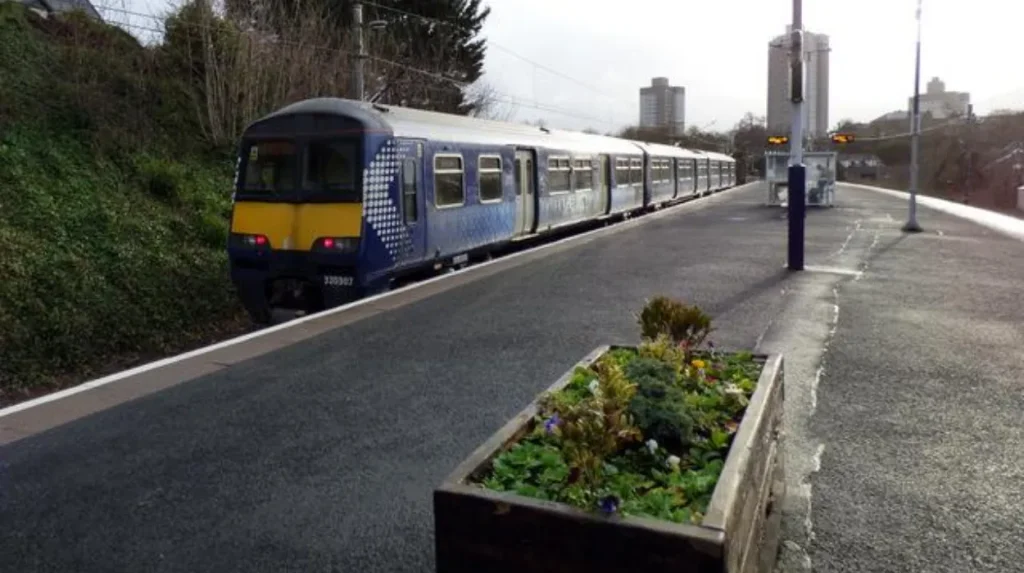
Partick, Mount Florida, Shawlands, Dennistoun and nearby inner-city neighbourhoods provide some of Glasgow’s strongest commuting connections. Direct rail journeys from Partick take about seven minutes, while Mount Florida and Shawlands take about 12 and 13 minutes.
Partick
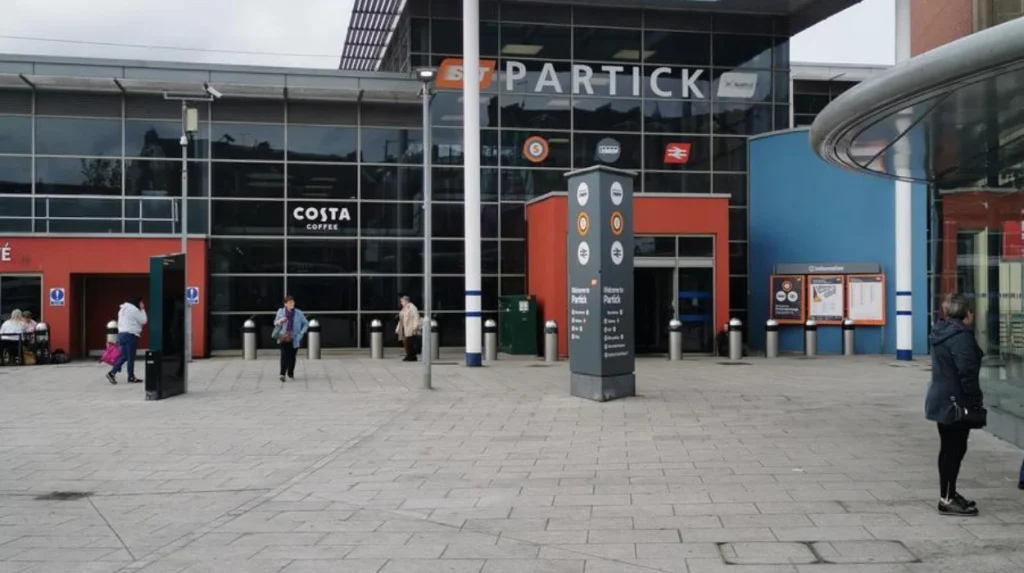
Partick is one of the strongest all-round choices for commuters. Its transport interchange combines rail, Subway and bus services.
ScotRail records an average journey time of seven minutes between Partick and Glasgow Central, with up to 103 trains per day on the route. Direct services remove the need for an interchange.
Partick Subway station adds another rapid option. The area also sits beside major bus corridors serving the West End and central Glasgow.
Partick is particularly suitable for workers whose destinations are split between the city centre, West End and university districts.
Mount Florida
Mount Florida provides a strong south-side rail connection. ScotRail records an average journey time of 12 minutes to Glasgow Central, with up to 73 trains per day.
The station sits on Cathcart Road and provides access to the Cathcart railway network.
The neighbourhood also benefits from proximity to Hampden Park, Scotland’s national football stadium. This makes the area useful for people who combine commuting with sports and event access.
Shawlands
Shawlands is a major south Glasgow neighbourhood with a direct rail connection to Glasgow Central.
The average ScotRail journey from Shawlands to Glasgow Central is 13 minutes, with up to 38 trains per day. Direct services operate without a change.
Shawlands is therefore a practical choice for commuters who want a substantial neighbourhood centre while retaining a relatively short rail journey.
Is Partick one of the best areas for commuting to Glasgow city centre?
Partick is one of Glasgow’s most connected residential areas because it combines a mainline railway station, Subway station and extensive bus services. Its average direct train journey to Glasgow Central is seven minutes, giving commuters exceptionally strong central access.
Partick’s main advantage is transport interchange.
A commuter living close to Partick station can choose between rail and Subway depending on the workplace. This flexibility is important when disruption affects one transport mode.
Rail provides the fastest direct connection to Glasgow Central. The Subway provides access to central stations and West End destinations.
Partick also connects with bus services across the west of Glasgow. The neighbourhood therefore works well for people with hybrid workplaces or jobs that require travel between several parts of the city.
The area is also close to the University of Glasgow, Kelvingrove Park, the River Clyde and the West End.
For a commuter prioritising transport access above all other factors, Partick is one of the strongest locations in Glasgow.
Which south Glasgow areas are best for commuting to Glasgow Central?
Shawlands, Mount Florida, Pollokshields, Queen’s Park, Crosshill and Cathcart provide strong south Glasgow commuting options. Their railway routes converge on Glasgow Central, creating direct access for workers travelling into the central business, retail and employment districts.
South Glasgow has a particularly useful railway structure because several residential districts sit along routes into Glasgow Central.
Pollokshields
Pollokshields combines residential streets, green spaces and railway access. The area has stations including Pollokshields East and Pollokshields West.
Its location places commuters close to the city centre while retaining direct links towards the south-west.
Queen’s Park
Queen’s Park is positioned around one of Glasgow’s best-known urban parks. The neighbourhood has access to nearby railway stations and bus routes.
The area is particularly suitable for commuters who want access to the south side while remaining close to central Glasgow.
Crosshill
Crosshill provides another south-side railway option. Its location between central Glasgow and the wider south side gives residents access to the Cathcart rail corridor.
Cathcart
Cathcart is further south but remains connected to Glasgow Central by direct rail services. It provides a practical option for commuters who prioritise residential space while retaining rail access.
The wider south-side railway network makes these neighbourhoods particularly relevant for commuters who work around Glasgow Central rather than Queen Street.
Is Dennistoun a good area for commuting to Glasgow city centre?
Dennistoun is a strong east-end choice for city-centre commuters because it sits close to Glasgow Queen Street and High Street railway stations, with additional bus and cycling connections. Its inner-city location reduces the distance between home, transport and central employment.
Dennistoun lies immediately east of Glasgow city centre. Its position gives it an important advantage over more distant suburbs.
Nearby High Street station provides rail access towards Glasgow Queen Street and other destinations. Queen Street is within easy reach of the city centre’s retail and employment districts.
Walking is also a practical commuting option for residents living close to the western edge of Dennistoun.
Cycling provides another direct alternative. Glasgow’s sustainable transport strategy places greater emphasis on active travel infrastructure and connections between residential areas and employment centres.
Dennistoun is therefore particularly suitable for commuters who want to live close enough to combine public transport with walking or cycling.
Which west Glasgow areas offer the best commute to the city centre?
Partick, Hyndland, Kelvinbridge, Hillhead and nearby West End neighbourhoods offer excellent city-centre access through the Subway, rail network and bus corridors. Partick provides especially strong interchange because rail, Subway and bus services meet within the same district.
Hyndland
Hyndland is a well-connected West End neighbourhood with its own railway station. Its location provides direct access towards central Glasgow and other suburban destinations.
The area is also close to the University of Glasgow, Byres Road and the wider West End.
Hillhead
Hillhead is particularly useful for Subway commuters. Hillhead Subway station provides access to the central network without requiring a mainline train journey.
The Subway’s circular operation connects Hillhead with stations including Buchanan Street, St Enoch and Partick.
Kelvinbridge
Kelvinbridge benefits from Subway access and proximity to major West End bus routes.
Its location makes it practical for commuters who work around Sauchiehall Street, Buchanan Street, the city centre or the university area.
The West End is therefore strongest for commuters whose jobs sit between the city centre and western districts.
Are Bearsden and Milngavie good commuter areas for Glasgow city centre?
Bearsden and Milngavie provide direct rail connections to Glasgow Queen Street, making them established commuter locations outside Glasgow’s inner neighbourhoods. Average journey times are about 22 minutes from Bearsden and 27 minutes from Milngavie.
Bearsden
Bearsden is located northwest of Glasgow. Its railway connection runs directly to Glasgow Queen Street.
ScotRail records an average journey time of 22 minutes and up to 49 trains per day on the Bearsden–Queen Street route.
This makes Bearsden suitable for workers whose offices are near Queen Street, George Square, Buchanan Street or the eastern side of the city centre.
Milngavie
Milngavie is further northwest. Direct trains connect the town with Glasgow Queen Street.
The average journey time is 27 minutes, with up to 49 trains per day according to ScotRail’s timetable information.
Milngavie therefore provides a longer commute than Partick or the south-side inner neighbourhoods, but it remains a direct rail journey without a change.
Both locations suit commuters who want suburban surroundings while retaining a straightforward train connection.
Is Bishopbriggs a good place to live for commuting to Glasgow?
Bishopbriggs is one of the strongest northern commuter locations because direct trains reach Glasgow Queen Street in about eight minutes. ScotRail records up to 49 trains per day, giving the area frequent rail access into the city centre.
Bishopbriggs sits immediately north of Glasgow.
Its biggest commuting advantage is the direct railway connection to Queen Street. ScotRail records an average journey time of eight minutes. Up to 49 trains per day operate on the route under the referenced Monday timetable.
The station therefore provides a fast connection without requiring a transfer.
Bishopbriggs also connects with road routes towards the north and east of Glasgow. Bus services provide additional local mobility.
For commuters working around George Square, Buchanan Street, Glasgow Queen Street or the east side of the city centre, Bishopbriggs is one of the strongest suburban choices.
Is Paisley a good commuter town for Glasgow city centre?
Paisley is a major commuter town west of Glasgow with direct trains to Glasgow Central. ScotRail records an average journey time of 12 minutes from Paisley Gilmour Street to Glasgow Central and up to 148 trains per day.
Paisley is one of the largest urban centres outside Glasgow and has an established commuter relationship with the city.
Paisley Gilmour Street station provides direct rail services to Glasgow Central. ScotRail records an average journey time of 12 minutes, with up to 148 trains per day on the route.
The railway therefore gives Paisley a strong commuting advantage despite its location outside Glasgow City Council’s administrative boundary.
Paisley also has several other railway stations, including Paisley Canal and Paisley St James, serving different parts of the town.
The area is especially useful for commuters working around Glasgow Central, Argyle Street, the financial district and the south-western city centre.
Paisley is less convenient for workers whose workplace is immediately beside Queen Street because reaching that side of central Glasgow involves an additional connection or longer walk.
How does Glasgow Subway access affect the choice of a commuter area?
Glasgow Subway access is most valuable for residents in the West End and inner Glasgow because the 15-station circular system links districts such as Partick, Hillhead and Kelvinbridge with central stations including Buchanan Street and St Enoch.
The Subway is a distinct advantage for neighbourhoods close to its stations.
SPT states that the Subway operates every four minutes at peak times and takes approximately 24 minutes to complete the full circuit.
The system has an Inner Circle and Outer Circle. This circular structure allows passengers to travel between central and West End stations without relying on surface traffic.
Key commuter stations include:
- Partick, for rail and Subway interchange.
- Kelvinbridge, for the northern West End.
- St George’s Cross, for the west-central area.
- Buchanan Street, for the main shopping and business district.
- St Enoch, for the southern part of the central area.
- Bridge Street, for connections towards the south side.
The Subway is particularly valuable during periods of road congestion because it operates independently of surface traffic.
Should commuters choose a Glasgow area near Glasgow Central or Queen Street?
The correct station depends on the commuter’s workplace and home location. Glasgow Central is strongest for south and west rail routes, while Queen Street is central to northern and eastern rail routes and the Subway’s Buchanan Street connection.
Glasgow Central and Queen Street serve different transport corridors.
Central is the main rail destination for commuters from areas such as Partick, Shawlands, Mount Florida and Paisley.
Queen Street is especially important for commuters from Bishopbriggs, Bearsden and Milngavie.
The two stations are separated by the central shopping and commercial district. Buchanan Street Subway station provides an important interchange between the Subway and Queen Street area.
A commuter should therefore select a home based on the station serving the workplace rather than simply choosing the shortest distance to Glasgow city centre.
This distinction is important for people with fixed office locations.
Is commuting by bus practical in Glasgow?
Bus travel remains essential for Glasgow commuters because buses serve neighbourhoods beyond the rail and Subway networks. Bus priority, improved passenger facilities and better connections form continuing priorities within Glasgow’s transport strategy.
Buses provide the broadest geographic coverage.
Rail and Subway stations are concentrated along specific corridors. Bus routes extend into residential streets that sit away from stations.
Glasgow City Council identifies traffic congestion as a major issue affecting bus reliability. Its transport strategy includes work on bus-priority corridors and measures intended to improve bus passenger experience.
Bus commuting is therefore most effective when a home and workplace sit directly on a frequent route.
Commuters should consider the complete journey rather than the vehicle journey alone. A direct bus from a nearby stop can provide a simpler commute than a rail journey requiring walking and interchange.
Which Glasgow areas are best for commuters who want to walk or cycle?
Dennistoun, Merchant City, Finnieston, Partick, Kelvinbridge and central West End neighbourhoods are particularly suitable for commuters who prioritise walking or cycling. Their proximity to employment districts reduces dependence on scheduled public transport.
Walking is most practical in inner Glasgow.
Dennistoun is close to the city centre. Merchant City sits within the central area itself. Finnieston connects the city centre with the West End. Partick provides a short rail journey while also supporting cycling and walking connections.
Glasgow’s transport policies increasingly support active travel. Transport Scotland’s national strategy places walking, wheeling and cycling alongside public transport as important components of sustainable travel.
For commuters, active travel also removes timetable dependency.
The strongest locations are therefore neighbourhoods where the journey to work is short enough to walk or cycle and where rail, Subway or bus services provide a backup.
How should commuters compare Glasgow neighbourhoods before choosing where to live?
Commuters should compare door-to-door journey time, transport frequency, station distance, interchange requirements, service reliability and workplace location. A seven-minute train journey does not represent the complete commute if the station requires a long walk.
A useful assessment starts at the front door.
The calculation should include:
Home → station or bus stop → waiting time → vehicle journey → interchange → final walk → workplace.
This provides a more realistic commuting measurement than published train times alone.
Transport frequency is equally important. A short journey with infrequent services can produce a longer daily commute than a slightly longer route with frequent departures.
Accessibility also matters. Glasgow’s current transport planning identifies the need for more accessible stations and transport facilities.
Commuters should also check first and last services when working outside standard office hours.
What is the future of commuting in Glasgow?
Glasgow’s future transport strategy focuses on stronger public transport, bus priority, active travel, integrated ticketing and development of Clyde Metro. These measures aim to improve connections between residential areas, employment centres and the wider metropolitan transport network.
Clyde Metro is one of the major long-term transport proposals affecting Glasgow.
Transport Scotland has examined the potential for a Metro or light rapid transit network using combinations of converted railway infrastructure, new routes and on-road sections. The proposals also address additional central rail capacity.
Glasgow City Council continues to work with SPT and Transport Scotland on the investment case for Clyde Metro. Its transport strategy also identifies bus priority, active travel and sustainable transport infrastructure as continuing priorities.
These developments make transport connectivity an important long-term consideration for residential decisions.
Areas already served by rail or Subway have an established advantage. Neighbourhoods identified for future transport investment also warrant attention, but future projects should not be treated as current services until they are operational.
Explore More Area Guide
Best Glasgow Areas Without a Car: Top Connected Neighbourhoods
Best Glasgow Neighbourhoods for First-Time Renters
What are the best Glasgow areas for different types of commuters?
Partick is strongest for multimodal commuting, Bishopbriggs for rapid northern rail access, Shawlands and Mount Florida for south-side rail travel, Dennistoun for inner-city access, and Bearsden or Milngavie for suburban direct trains to Queen Street.
For the shortest rail commute, Partick stands out with a seven-minute average journey to Glasgow Central.
For south Glasgow, Mount Florida and Shawlands provide direct rail journeys of about 12 and 13 minutes respectively.
For northern commuting, Bishopbriggs provides an average eight-minute journey to Queen Street.
For suburban West End commuting, Bearsden provides a direct 22-minute journey to Queen Street, while Milngavie takes about 27 minutes.
For western commuting, Paisley provides direct access to Glasgow Central in approximately 12 minutes.
For multimodal transport, Partick is particularly strong because rail, Subway and bus services converge in the same district.
For walking and cycling, inner neighbourhoods such as Dennistoun and Finnieston reduce the distance between residential areas and central employment.
What should commuters prioritise when choosing the best Glasgow area?
The best Glasgow commuter area is the neighbourhood that provides a reliable door-to-door route to the workplace. Direct rail or Subway access, frequent services, short station walks and minimal interchanges generally provide the strongest daily commuting conditions.
Glasgow offers a wide range of commuter locations.
Partick provides one of the city’s strongest transport interchanges. Shawlands and Mount Florida provide fast south-side rail journeys. Dennistoun provides inner-city proximity. Bishopbriggs provides an exceptionally short northern rail journey. Bearsden and Milngavie offer direct suburban services to Queen Street. Paisley combines a larger-town environment with fast rail access to Glasgow Central.
The key distinction is between journey time and total commuting time.
A seven-minute train journey is valuable when the station is close to home and work. A longer train journey remains practical when it is direct, frequent and predictable.
Glasgow’s transport network is also changing. Bus-priority investment, active-travel infrastructure, integrated transport planning and Clyde Metro development form part of the city’s long-term mobility strategy.
For people choosing where to live, transport connectivity should therefore be assessed alongside housing, local services, schools, green space and employment location. The strongest commuter neighbourhoods are those that combine a short daily journey with multiple reliable ways to reach Glasgow city centre.
What is the best area in Glasgow for commuting to the city centre?
Partick is one of the best areas for commuting to Glasgow city centre because it has rail, Subway and bus connections. The average direct train journey from Partick to Glasgow Central takes about seven minutes.