The Barrowland Ballroom is a historic music venue in Glasgow, Scotland, recognised internationally for its cultural importance, distinctive atmosphere, and connection to generations of performers and audiences. Located in the east end of Glasgow, the venue represents the city’s long-standing relationship with live music, community identity, and entertainment culture.
- Why Is Barrowland Ballroom Famous Around the World?
- What Is the History of Barrowland Ballroom?
- What Makes Barrowland Ballroom’s Design Unique?
- Why Do Musicians Love Performing at Barrowland Ballroom?
- How Has Barrowland Ballroom Influenced Glasgow’s Music Culture?
- What Famous Performances Have Taken Place at Barrowland Ballroom?
- Why Is Barrowland Ballroom Important for Glasgow Tourism?
- How Has Barrowland Ballroom Preserved Its Legacy for Future Generations?
- Why Does Barrowland Ballroom Remain One of the Best Venues in the World?
Opened in 1934, Barrowland Ballroom developed from a traditional dance hall into one of the most respected live performance spaces in the world. Its significance comes from its history, unique design, famous performances, and role in shaping Glasgow’s reputation as a global music city.
The venue stands within the Barrowland district, an area historically associated with the Barras market. The name “Barrowland” comes from the nearby market traders who used barrows to sell goods. The ballroom became a central social and cultural landmark for Glasgow residents during the twentieth century.
Today, Barrowland Ballroom continues to host major international artists, emerging musicians, and community events. Its reputation extends beyond Scotland because performers and audiences recognise its rare combination of heritage, acoustics, energy, and authenticity.
Why Is Barrowland Ballroom Famous Around the World?
Barrowland Ballroom is famous because it combines historic importance, exceptional live music experiences, and a unique atmosphere that attracts global artists and audiences. The Glasgow venue has hosted legendary performers, preserved its original identity, and remains a symbol of Scotland’s music culture.
The international reputation of Barrowland Ballroom comes from more than its age. Many historic venues exist worldwide, but Barrowland maintains a strong connection between performers and audiences through its intimate layout and distinctive character.
The venue opened on 3 October 1934 as a dance hall created by Margaret McIver, the founder of the nearby Barras market. The original building provided entertainment opportunities for Glasgow’s working-class communities during a period when dance halls were major social centres.
During the 1950s and 1960s, Barrowland Ballroom became one of Scotland’s leading dance venues. It hosted popular orchestras, ballroom competitions, and social events. As musical trends changed, the venue adapted from traditional dancing to rock, pop, punk, indie, and electronic performances.
The ballroom gained international recognition because of its ability to create powerful live experiences. The standing audience arrangement places performers close to fans, creating an environment valued by musicians who prefer direct interaction with crowds.
The venue’s reputation grew through performances from internationally recognised artists including David Bowie, U2, The Smiths, Blur, Oasis, Metallica, Radiohead, and many other major acts. These appearances strengthened its status as a significant global music location.
Barrowland Ballroom also represents Glasgow’s wider cultural identity. The city has a long history of producing musicians, supporting creative industries, and developing influential music scenes. The venue became one of the most visible symbols of this tradition.
What Is the History of Barrowland Ballroom?
Barrowland Ballroom has a history dating back to 1934 when it opened as a Glasgow dance hall before becoming a world-renowned live music venue. Its development reflects changes in entertainment, urban culture, and Scotland’s evolving music industry across nine decades.
The original Barrowland Ballroom was built near the Barras market in Glasgow’s East End. Margaret McIver established the venue as part of a larger entertainment and commercial area that served local communities.
The ballroom quickly became popular because dance halls were central social spaces during the early twentieth century. People visited venues like Barrowland for music, dancing, community gatherings, and public celebrations.
During the Second World War period, dance halls provided important social opportunities despite wider economic challenges. Barrowland continued operating and remained a significant meeting place for Glasgow residents.
In 1958, the original building suffered serious damage from a fire. The venue was rebuilt and reopened in 1960 with improvements that created the structure recognised today. The rebuilt ballroom preserved the traditional dance hall concept while introducing modern facilities.
The 1960s brought major changes to popular music. Rock and roll, beat music, and youth culture transformed entertainment patterns across Britain. Barrowland adapted by welcoming new musical styles and expanding its role as a concert venue.
The late twentieth century established Barrowland as a major destination for touring musicians. Glasgow’s reputation as a music city increased, and the ballroom became a key stop for international tours.
In 1983, the venue was affected by another major fire but was restored and reopened. The rebuilding process reinforced its importance as a cultural landmark rather than simply a commercial entertainment building.
The Scottish music industry continued growing throughout the 1990s and 2000s. Barrowland remained central to this development by supporting both established performers and new artists.
What Makes Barrowland Ballroom’s Design Unique?
Barrowland Ballroom is unique because of its distinctive sprung dance floor, compact performance space, historic architecture, and carefully preserved character. The venue’s physical design creates strong connections between artists and audiences while maintaining features from its original twentieth-century construction.
The architectural identity of Barrowland separates it from modern concert venues. Many contemporary arenas focus on large capacity and advanced technology, while Barrowland maintains a traditional ballroom structure designed around social interaction.
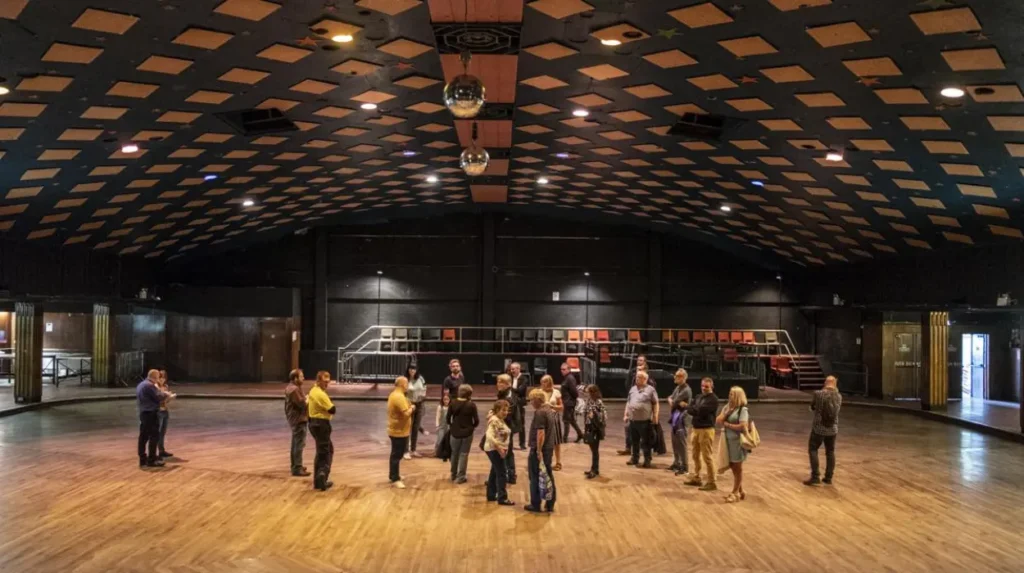
One of its most recognised features is the sprung wooden dance floor. A sprung floor uses a flexible construction system that absorbs movement and provides a different experience from standard concrete concert floors.
The venue has a capacity of approximately 1,900 people. This size creates a balance between a large concert atmosphere and a more personal connection between performers and fans.
The interior includes a large open floor area, balcony sections, and a stage designed for live performances. The layout allows audiences to experience concerts from multiple viewing positions.
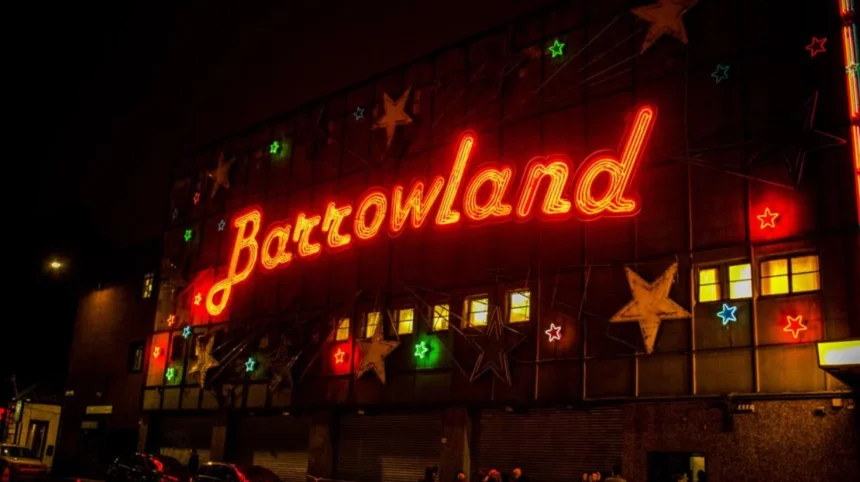
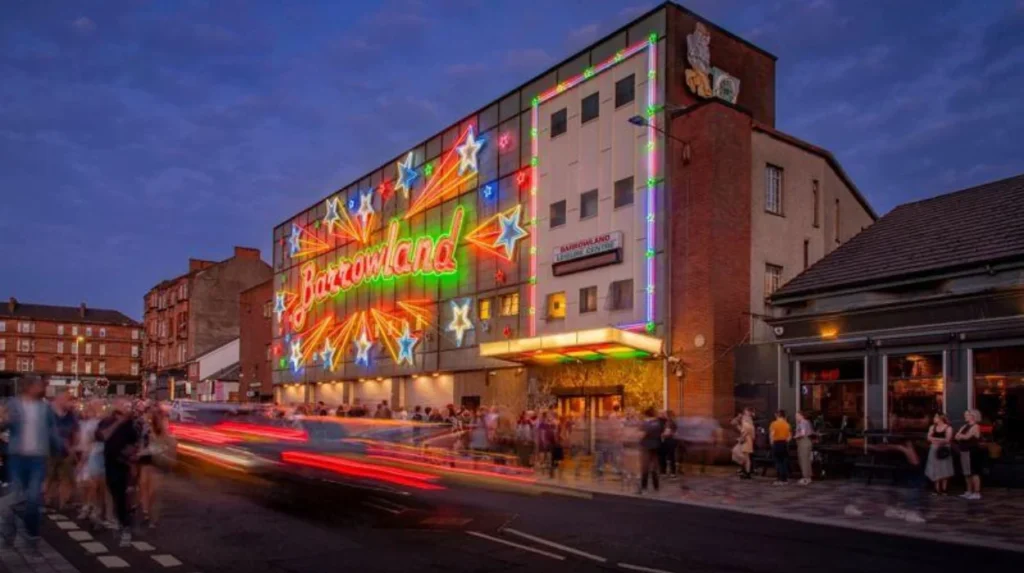
The venue’s original decorative features contribute to its identity. The exterior neon signage and ballroom appearance have become recognisable symbols associated with Glasgow’s cultural landscape.
The building’s design supports different forms of entertainment. It functions as a concert hall, dance venue, event space, and cultural gathering place.
The preservation of its historic appearance provides continuity between past and present. Visitors experience a venue that retains elements from previous generations while operating as a modern performance location.
Why Do Musicians Love Performing at Barrowland Ballroom?
Musicians value Barrowland Ballroom because it provides an energetic audience environment, strong performer visibility, and a historic reputation among touring artists. The venue’s intimate scale allows musicians to create direct connections with fans during live performances.
Performers often recognise Barrowland as a special venue because audience participation forms a major part of the concert experience. The physical closeness between the stage and crowd creates an atmosphere different from large stadium performances.
The venue’s reputation attracts international touring artists who include Glasgow in their schedules. Many musicians consider the ballroom an important location because previous generations of performers have created memorable concerts there.
The audience culture surrounding Barrowland contributes significantly to its reputation. Glasgow audiences are widely recognised for their enthusiasm, strong musical knowledge, and support for live performances.
The venue also supports emerging artists. Smaller and developing musicians use Barrowland performances to connect with audiences and build recognition within Scotland’s music community.
The importance of Barrowland extends beyond individual concerts. Performing there represents participation in Glasgow’s wider musical history.
Artists from different genres have appeared at the venue, including rock, indie, electronic, punk, folk, and pop performers. This diversity demonstrates the ballroom’s ability to support changing musical trends.
The venue’s continued popularity among musicians shows how historic spaces maintain relevance in the modern entertainment industry.
How Has Barrowland Ballroom Influenced Glasgow’s Music Culture?
Barrowland Ballroom has influenced Glasgow’s music culture by providing a major performance platform, supporting local musicians, and strengthening the city’s international reputation as a centre for live entertainment. The venue connects Glasgow’s history with contemporary creative industries.
Glasgow developed a strong music identity through clubs, concert halls, independent venues, and local artists. Barrowland became one of the most important institutions within this cultural network.
The venue helped establish Glasgow as a destination for live music tourism. Visitors travel to the city specifically to experience performances in historic venues such as Barrowland.
Music tourism contributes to Glasgow’s economy through spending on accommodation, transport, restaurants, and entertainment services. Cultural venues support wider urban development by attracting visitors and encouraging creative activity.
Barrowland also contributes to community identity in Glasgow’s East End. The building represents continuity between older generations who attended dances and younger audiences who attend modern concerts.
The venue demonstrates the importance of preserving cultural buildings. Historic entertainment spaces provide social value because they maintain connections between different periods of community life.
Glasgow’s recognition as a UNESCO City of Music in 2008 reflects the city’s significant contribution to international music culture. Barrowland forms part of the infrastructure supporting this reputation.
The ballroom continues influencing future generations by providing a place where audiences discover new performers and experience live music traditions.
What Famous Performances Have Taken Place at Barrowland Ballroom?
Barrowland Ballroom has hosted performances from internationally recognised artists including David Bowie, U2, Oasis, Blur, Metallica, and many influential musicians. These concerts strengthened the venue’s global reputation and created a lasting record of musical importance.
The venue’s performance history includes artists from multiple decades and genres. Its stage has welcomed musicians who shaped popular culture and influenced international music movements.
During the 1970s and 1980s, Barrowland became increasingly associated with rock and alternative music. Major touring acts recognised Glasgow as an important audience market.
The 1990s brought further growth as British indie and alternative music became internationally successful. Barrowland hosted artists connected with these movements and became associated with Glasgow’s vibrant music scene.
The venue has also supported Scottish artists. Local musicians have used performances at Barrowland as important milestones in their careers.
The variety of performers demonstrates the flexibility of the venue. It has hosted established global stars alongside developing artists, creating a balanced programme.
Unlike large arenas that often prioritise commercial scale, Barrowland’s reputation comes from memorable performances and audience experiences.
Its concert history continues expanding as new generations of musicians perform at the venue.
Why Is Barrowland Ballroom Important for Glasgow Tourism?
Barrowland Ballroom is important for Glasgow tourism because it attracts visitors interested in music history, cultural landmarks, and authentic entertainment experiences. The venue represents a major part of the city’s identity and encourages cultural exploration beyond traditional tourist attractions.
Tourists visiting Glasgow often explore the city’s music heritage through venues, museums, festivals, and performance spaces. Barrowland provides a direct connection to this heritage.
The building’s distinctive appearance makes it a recognised landmark in the East End. Visitors often photograph the famous exterior signage and explore the surrounding Barras area.
Music tourism has become an important part of urban travel. Cities with strong music identities attract visitors seeking authentic cultural experiences.
Barrowland contributes to Glasgow’s reputation as a creative city. Its continued operation demonstrates how historic venues can remain relevant within modern tourism and entertainment sectors.
The venue also supports nearby businesses. Concert audiences contribute to local economic activity through visits to shops, hospitality businesses, and transport services.
Its importance extends beyond tourism because it represents community history. Visitors experience both a music venue and a location connected to Glasgow’s social development.
Explore More Area Guide
Best Student Discounts and Savings Guide for Glasgow City in 2026
Glasgow University Freshers Week Guide – Glasgow 2026
How Has Barrowland Ballroom Preserved Its Legacy for Future Generations?
Barrowland Ballroom has preserved its legacy through continued operation, restoration projects, historic recognition, and adaptation to modern music demands. The venue maintains its original cultural identity while providing facilities suitable for twenty-first-century performances.
Preserving a historic venue requires balancing conservation with practical requirements. Barrowland continues updating technical equipment and safety systems while protecting its traditional character.
The venue’s survival demonstrates the importance of cultural preservation. Buildings connected to music history provide educational and social value for future generations.
Barrowland remains relevant because it adapts without losing its identity. The venue continues hosting contemporary artists while maintaining the atmosphere that established its reputation.
Its future depends on continued audience support, successful events, and recognition of its cultural importance.
The ballroom represents a model for historic venues worldwide. It shows that older entertainment spaces can remain successful when communities value their heritage.
Why Does Barrowland Ballroom Remain One of the Best Venues in the World?
Barrowland Ballroom remains one of the best venues in the world because it combines historic significance, distinctive architecture, passionate audiences, and decades of influential performances. Its global reputation comes from authenticity, cultural importance, and its unique role in live music history.
The venue’s strength comes from the relationship between its past and present. Since opening in 1934, Barrowland has transformed from a dance hall into an internationally recognised concert venue.
Its design creates an environment where audiences feel connected to performers. Its history provides a sense of continuity that modern purpose-built venues rarely replicate.
The ballroom represents Glasgow’s creative identity and demonstrates the city’s contribution to global music culture. It remains a destination for artists, fans, and visitors from around the world.
Barrowland Ballroom’s reputation is based on measurable cultural impact rather than temporary popularity. Nine decades of performances, community involvement, and artistic influence have established its position among the world’s most respected music venues.
The continued success of Barrowland proves that historic cultural spaces remain valuable in the modern era. The venue continues defining Glasgow’s music landscape while preserving a legacy recognised internationally.
What is Barrowland Ballroom?
Barrowland Ballroom is a historic live music venue located in Glasgow’s East End, Scotland. Opened in 1934, it began as a dance hall before becoming one of the world’s most recognised concert venues, hosting international artists and major music events.