Key Points
- Universal Abuse Reported: 100% of parking attendants surveyed by GMB Scotland reported experiencing threats, verbal abuse, and aggressive behaviour from both drivers and pedestrians while on duty. Glasgow Live
- Extreme Incidents Detailed: Surveyed staff described severe encounters, including an incident where a motorist attempted to strike a warden with a vehicle and another where a driver exposed himself to an officer.
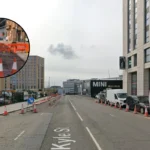
- Focus on Crime Hotspots: The GMB union is calling on Glasgow City Council to urgently review its risk assessment strategy for the city centre, highlighting notorious areas like the ‘Four Corners’ as major hotbeds for antisocial conduct and safety risks.
- Demand to End Lone Patrols: The union is pushing for an immediate halt to single-officer patrols in high-risk zones and requesting enhanced protective measures for enforcement staff.
- Pressure from Reporting Expectations: Traffic wardens reported being asked by management to log non-parking criminal activity, such as drug dealing in high-crime zones like ’12 Beat’, raising concerns over personal safety and additional targets on their backs.
- Police Federation Support: The Scottish Police Federation acknowledged the resource strain on visible policing in Glasgow, confirming support for the GMB’s safety concerns and agreeing that wardens must not act as proxy crime fighters.
- Council Response: Glasgow City Council maintained that staff safety is a priority, noting that internal health and safety reports and Police Scotland reassurances do not currently show higher risk levels in the city centre compared to other zones, though management continues to encourage incident reporting.
Glasgow (Glasgow Express) November 10, 2026 – Every parking attendant surveyed by trade union GMB Scotland has reported experiencing threats and aggressive behaviour from drivers and members of the public while working on the streets of Glasgow city centre. The findings have prompted trade union representatives to call for an immediate end to lone patrols in high-density crime areas, specifically pointing to the notorious location locally known as the ‘Four Corners’.
- Key Points
- Why are Glasgow parking attendants demanding an immediate end to lone patrols?
- What daily safety challenges are traffic wardens encountering on Glasgow streets?
- How have trade union representatives and police federations responded?
- What is Glasgow City Council’s official position on warden safety?
- Background of the Glasgow city centre enforcement dispute
- Predictions: How this development could affect city centre workers and municipal operations
Why are Glasgow parking attendants demanding an immediate end to lone patrols?
As reported by Glasgow Live, every frontline parking attendant surveyed by GMB Scotland confirmed encountering hostility, intimidation, and aggressive outbursts during their shifts. The trade union highlighted that staff are regularly exposed to unsafe conditions, particularly when operating alone in high-risk beats.
Among the experiences logged by frontline staff, one attendant stated that a driver attempted to hit them using a vehicle, whilst a colleague detailed an incident in which a motorist indecently exposed himself.
The union is pressing Glasgow City Council to execute an immediate review of its risk assessment policies across the city centre, with particular emphasis on high-incidence areas such as the Four Corners—the junction connecting Argyle Street, Union Street, and Jamieson Street. GMB Scotland is urging the local authority to end single-attendant shifts in these locations and deploy increased protective provisions for staff.
What daily safety challenges are traffic wardens encountering on Glasgow streets?
As detailed by Sally Hind of the Daily Record, traffic wardens patrolling ’12 Beat’—which encompasses St Enoch Square and surrounding streets—expressed growing anxiety over their working environment. Wardens noted that hostility comes not only from motorists receiving parking citations, but also from pedestrians and passers-by.
As reported by Sally Hind of the Daily Record, one parking attendant stated:
“I’ve been spat on, shoved, and called every name under the sun. It is horrendous and now I’m meant to be reporting crime too? It’s just another target on our back.”
The attendant added:
“Police arrive in 12 Beat in twos, fours and sixes. They pour out of minivans in all the gear while we are out there on our own, on constant alert with our eyes on swivels. The job is hard enough without being asked to look out for criminals. That is not our job and even the suggestion that it might be will only bring us more abuse.”
As reported by Sally Hind of the Daily Record, another long-serving parking attendant remarked:
“Anyone going into the city sees things have got worse. It can be an angry, angry place. People see our uniform and think it’s acceptable to shout and bawl at us. And it’s not just drivers, just random folk in the street think we’re fair game.”
The same worker stated:
“I walked past some guy this week and he just started calling me the most disgusting names. You try to ignore it but it gets to you because it’s so relentless. You swallow the stress of it, all day, every day, then go home feeling like your head is going to explode.”
How have trade union representatives and police federations responded?
As reported by Sally Hind of the Daily Record, David Hume, GMB organiser at Glasgow City Council, stated:
“Parking attendants already face horrific abuse and aggression every day on the streets of Glasgow. They need the full support of management, greater protection and rigorous risk assessments.”
As reported by Sally Hind of the Daily Record, David Hume added:
“Our members are not ad hoc crime fighters. They are lone workers – often women – in uniform, being asked to patrol streets that have become synonymous with trouble and disorder.”
As reported by Glasgow Live, David Hume further noted:
“It is completely unacceptable that the working lives of parking attendants are marked by fear, stress and anxiety. It cannot go on. The risks being faced by these staff members must be properly assessed and any and all incidents properly investigated and pursued. No other workers would be expected to work in fear and finish their shifts relieved to be in one piece.”
As reported by Sally Hind of the Daily Record, David Kennedy, General Secretary of the Scottish Police Federation, stated:
“Traffic wardens are not police officers, and they should never be expected to undertake responsibilities that could place them at additional risk of violence, intimidation or retaliation.”
As reported by Sally Hind of the Daily Record, David Kennedy added:
“We fully support the concerns raised by the GMB. These workers are already carrying out a difficult job and should not be placed in situations where their personal safety could be compromised.”
As reported by Sally Hind of the Daily Record, David Kennedy further explained:
“We do not have enough police officers to provide the visible, proactive policing that our communities deserve. Areas such as Glasgow’s Four Corners require a consistent and visible police presence.”
What is Glasgow City Council’s official position on warden safety?
As reported by Glasgow Live and the Daily Record, a spokeswoman for Glasgow City Council stated:
“Staff safety and well-being is always an absolute priority. Any abuse directed towards our staff is completely unacceptable and we always seek to ensure the correct procedures needed to support staff appropriately are in place.”
As reported by Glasgow Live, the council spokeswoman added:
“Our health and safety reporting systems do not currently indicate specific issues with the city centre compared to other areas. Liaison with Police Scotland also provided information that gave reassurance about the city centre and helped to ensure our risk assessment for frontline city centre operatives remains up-to-date and accurate.”
As reported by Glasgow Live and the Glasgow Times, the spokeswoman concluded:
However, we have encouraged staff to report any observations they make during the course of their duties, which would allow us to make adjustments to our working practices where necessary.”
Background of the Glasgow city centre enforcement dispute
The dispute over worker safety in Glasgow city centre follows ongoing discussions surrounding municipal resource allocations, public space management, and frontline safety protocols across urban Scotland.
Glasgow’s ‘Four Corners’—the central intersection linking major transport hubs, retail streets, and nightlife establishments—has historically drawn focused attention from civic groups, local businesses, and policing authorities regarding street order and public safety. Over recent years, local authority enforcement officers have operated under lone-worker frameworks designed to maximize coverage across designated parking beats.
The introduction of informal operational requests for wardens to note and report observed street-level offenses during standard shifts has heightened debate between trade unions and local administration. Unions contend that expanding informal monitoring duties in high-density areas elevates the physical vulnerability of uniformed council personnel, whereas local authority guidelines maintain that operational assessments rely upon formalized incident logging and ongoing coordination with Police Scotland.
Predictions: How this development could affect city centre workers and municipal operations
The escalating confrontation over parking attendant safety is likely to trigger structural shifts in how local authorities manage frontline enforcement across high-risk urban sectors.
- Operational Safety Adjustments: Should GMB Scotland secure its policy demands, Glasgow City Council may be required to end lone-worker protocols in specific zones, replacing them with paired-patrol pairs or dedicated security escorts. This operational shift could lead to reduced overall geographic coverage or require additional municipal expenditure to maintain enforcement levels.
- Staffing and Retention Impact: Persistent reports of verbal and physical hostility risk worsening staff turnover, increasing sickness absences linked to occupational stress, and creating recruitment bottlenecks for frontline enforcement roles.
- Policing and Multi-Agency Strategy: Heightened union pressure and public statements from the Scottish Police Federation could compel local authorities and Police Scotland to re-evaluate joint static patrols around the Four Corners, establishing clear operational boundaries between civil enforcement duties and criminal law enforcement.