Key Points
- Senior emergency consultants at the Queen Elizabeth University Hospital (QEUH) in Glasgow sent a formal warning letter to Healthcare Improvement Scotland (HIS) in July.
- The doctors warned of severe patient harm and an “uncontrollable system failure” due to persistent delays in emergency care.
- Emergency department conditions have deteriorated since a previous HIS review in 2024, published a year later, which highlighted damaged manager-consultant relationships.
- Medical staff reported being forced to remove patients from resuscitation bays and move individuals into corridors to accommodate “sustained overcapacity.”
- The consultants highlighted the absence of an effective strategy to resolve overcrowding, pointing to clear evidence linking emergency department congestion to increased mortality rates.
- Healthcare Improvement Scotland confirmed it is taking the concerns seriously and scheduled a follow-up review for November to meet frontline staff and monitor progress.
- The Scottish Liberal Democrats branded the letter “chilling” and demanded immediate Scottish Government intervention to address the crisis.
Glasgow (Glasgow Express) November 9, 2026 — Senior emergency doctors at Scotland’s largest hospital have formally warned healthcare regulators of ongoing patient harm caused by severe delays to medical care. In a letter dispatched to the healthcare watchdog Healthcare Improvement Scotland (HIS) in July, consultants based at the Queen Elizabeth University Hospital (QEUH) in Glasgow detailed operational conditions that they warned are leading to “uncontrollable system failure” within the emergency unit.
- Key Points
- What Is the Response From Healthcare Improvement Scotland Regarding the QEUH Emergency Department Warnings?
- How Have Political Leaders Reacted to the Latest Warning from QEUH Consultants?
- Background of the Particular Development
- Prediction: How This Development Can Affect Patients and Healthcare Staff
The communication highlighted a marked deterioration in the emergency department’s working environment since a prior review conducted in 2024 and published standardly a year later. That foundational investigation established that poor working relationships between health board managers and senior medical staff were directly hindering operational effectiveness, with regulators determining such friction was likely to have had a detrimental impact on patient care across the unit.
The July warning letter set out the immediate physical pressures facing frontline staff on duty. Senior doctors stated that emergency crews were being forced to step down acutely ill patients from resuscitation areas before optimal stabilization could occur, relocating individuals into hospital corridors to manage “sustained overcapacity.”
Furthermore, the consultants stressed that there is currently no effective strategy in place to address the operational logjam, noting that medical literature and national data now clearly link severe accident and emergency overcrowding to higher patient death rates.
What Is the Response From Healthcare Improvement Scotland Regarding the QEUH Emergency Department Warnings?
Responding to the escalation, a spokesperson for Healthcare Improvement Scotland stated that the regulator continues to take the concerns raised by frontline staff at the Queen Elizabeth University Hospital Emergency Department seriously.
“As part of our ongoing follow-up work, we will be meeting frontline staff and reviewing progress against the recommendations from our previous review during November,”
the HIS spokesperson stated.
“We have also made Scottish government colleagues aware of the ongoing concerns and pressures that have been raised with us.”
The regulatory body clarified where operational accountability lies, noting:
“It is for NHS Greater Glasgow and Clyde to implement the changes required and to address the issues identified. We expect the board to demonstrate progress in implementing the recommendations and responding to the concerns raised by staff.”
Addressing the specific contents of the correspondence, the spokesperson added:
“Given our ongoing review activity, it would not be appropriate to comment in detail on specific correspondence or to pre-empt our further findings from our follow up work.”
How Have Political Leaders Reacted to the Latest Warning from QEUH Consultants?
The revelation of the consultants’ letter has drawn immediate criticism from opposition political parties, who are urging ministers to take direct control of the situation.
As reported by health spokesman Adam Harley MSP of the Scottish Liberal Democrats, political leaders consider the contents of the warning to be a clear sign of systemic failure requiring emergency intervention.
Harley stated that: “This letter is chilling. The Scottish government needs to wake up to the crisis at the QEUH and intervene.”
He further emphasized the risk to human life, adding:
“We cannot accept this constant crisis as the status quo. That patients who need resuscitation at one of our busiest hospitals cannot take their safety for granted shows an utter failure of accountability, and proves that our NHS is in dire need of rescue.”
Background of the Particular Development
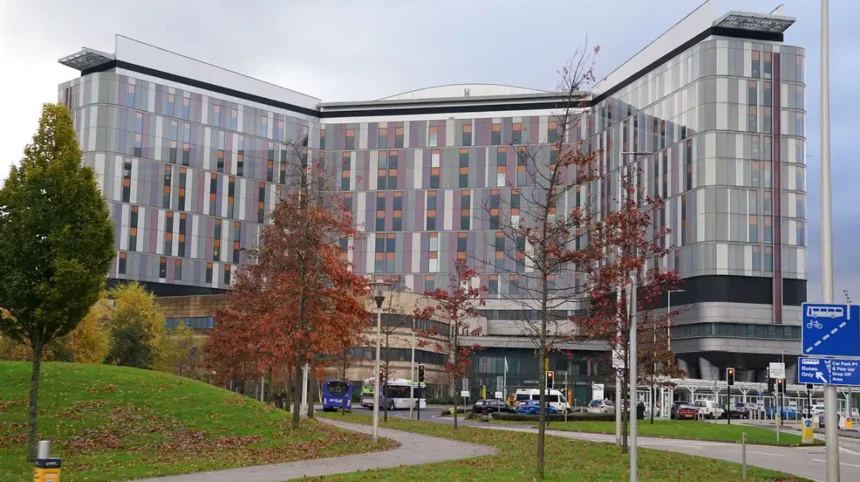
The Queen Elizabeth University Hospital, located in the South Side of Glasgow, is the flagship acute hospital campus operated by NHS Greater Glasgow and Clyde. Opening its doors in 2015, the 1,4-bed facility features one of the busiest emergency departments in the United Kingdom, serving as a primary trauma hub for western Scotland.
Despite its modern design, the emergency department has been plagued by persistent operational bottlenecks, bed shortages, and structural friction between management and clinical decision-makers:
The clinical review initiated in 2024 examined operational workflows and workplace culture within the unit. When the final report was published a year later, inspectors formally recorded that strained relationships between health board management and emergency department consultants were actively compromising clinical oversight and hindering service improvements.
The July letter sent by senior consultants serves as an escalation of those unaddressed concerns, demonstrating that internal reporting pathways have failed to alleviate acute pressure on frontline staff or stabilize patient flow.
Prediction: How This Development Can Affect Patients and Healthcare Staff
This ongoing crisis and regulatory escalation will directly impact several key audiences across the NHS ecosyste
1. Acute Emergency Patients
- Elevated Clinical Risk: The practice of stepping down patients from resuscitation rooms into general corridors directly compromises real-time physiological monitoring, increasing the probability of delayed clinical interventions during medical deterioration.
- Extended Waiting Times: Overcapacity within the resuscitation and triage zones causes trickle-down delays for incoming ambulances, leading to extended wait times in hospital parking bays and delayed initial assessments.
- Reduced Patient Dignity: Moving unstable or high-dependency patients to temporary corridor spaces degrades basic privacy, infection control protocols, and patient comfort.
2. Frontline Medical and Nursing Staff
- Workplace Burnout and Moral Injury: Senior doctors and nursing personnel face chronic psychological distress when forced to deliver care in non-clinical spaces that do not meet standard safety thresholds.
- Retention Challenges: Unresolved operational friction and unheeded safety warnings frequently drive high turnover rates, prompting senior consultants to reduce hours, relocate, or leave the NHS altogether.
3. NHS Greater Glasgow & Clyde Leadership and Scottish Ministers
- Enhanced Regulatory Scrutiny: Following the November follow-up visit by Healthcare Improvement Scotland, the health board faces potential special measures or mandatory ministerial direction if operational benchmarks are not met.
- Resource Reallocation: The health board will likely be required to divert capital and staffing budgets toward emergency capacity, potentially disrupting elective surgical schedules across the West of Scotland to free up inpatient beds.