Key Points
- Project Timeline: Restoration work on Glasgow’s historic People’s Palace and Winter Gardens is scheduled to commence in late 2026.
- Overall Investment: The comprehensive overhaul of the A-listed social history museum and adjoining glasshouse requires a total investment exceeding £50 million.
- Secured Funding: Glasgow City Council has committed approximately £21 million to the redevelopment scheme, alongside a £14 million contribution from the Scottish Government.
- Funding Deficit: A funding gap of over £12 million remains to be filled, with council officials remaining hopeful of securing further financial commitments in the coming weeks.
- Next Steps: Glasgow City Councillors have formally approved moving to the next stage of the project, allowing detailed design work to proceed.
Glasgow (Glasgow Express) November 7, 2026 – The major restoration and refurbishment of Glasgow’s iconic People’s Palace and Winter Gardens is slated to begin in late 2026 following a key decision by local authority officials. As reported by local government representatives at Glasgow City Council, elected members have officially voted to progress the multi-million-pound scheme to its next phase, granting permission for detailed architectural and structural design work to move forward.
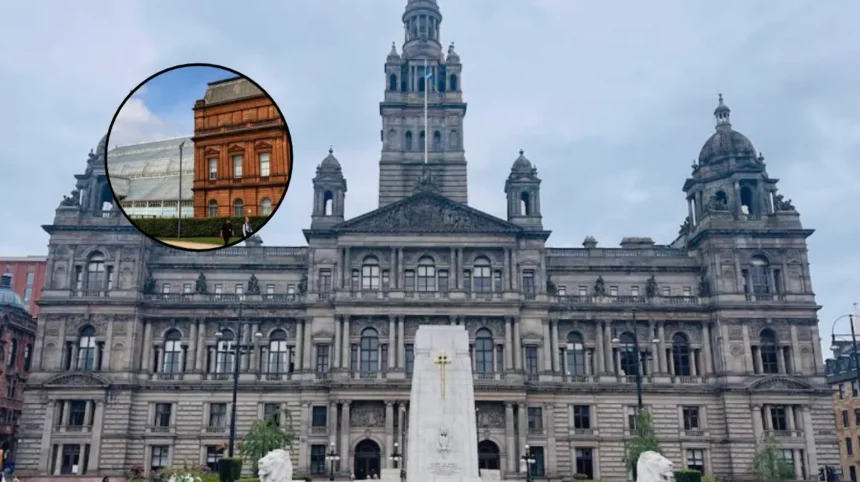
The project, which carries an estimated total cost exceeding £50 million, aims to safeguard and modernise the Grade A-listed social history museum located on Glasgow Green. The historic facility has long served as a repository for the cultural and social heritage of the city, detailing the daily lives, working history, and civic accomplishments of Glaswegians from the 18th century to the present day.
How Is the £50 Million Project Being Funded?
The capital budget for the comprehensive upgrade relies on a blend of local government funding, national grants, and ongoing fundraising initiatives. Glasgow City Council has allocated almost £21 million directly from municipal funds to underpin the restoration effort. In addition, the Scottish Government has pledged £14 million towards the physical stabilization and modernization of the structure.
Despite these substantial commitments, the project faces a remaining financial deficit of more than £12 million. As stated by council spokespersons, municipal officers remain optimistic that additional financial backing will be secured from external funding bodies, heritage grants, and institutional partners over the coming weeks to cover the outstanding balance prior to construction commencing.
Why Is the People’s Palace Undergoing Restoration?
The People’s Palace and its connected glass house, the Winter Gardens, have faced significant structural challenges in recent years. The venue required major investment to address aging infrastructure, weatherproofing issues, and modern accessibility standards.
By approving the progression to the design phase, Glasgow City Council aims to restore the venue into a modern, energy-efficient museum space while preserving its historic Victorian architecture. The planned works will address urgent structural repairs, enhance display galleries, upgrade visitor amenities, and restore the glasshouse structure to ensure long-term public access.
What Is the Background to the People’s Palace Development?
Opened on 22 January 1899 by the Earl of Rosebery, the People’s Palace was originally established as a cultural center for the East End of Glasgow, providing a museum, reading room, and winter garden to improve the lives of the working-class population. Designed by city engineer Alexander B. McDonald, the building stands as one of Glasgow’s most celebrated civic landmarks.
Over the decades, the venue became a dedicated home for Glasgow’s social history, housing artefacts related to local industry, housing conditions, political movements, and cultural figures. However, decades of exposure to Scotland’s climate led to structural deterioration, particularly within the iron and glass framework of the Winter Gardens.
In late 2018, the Winter Gardens were closed to the public on safety grounds after structural engineers declared the glass structure structurally unsound without major repairs. The main museum building continued to operate on a restricted basis before being fully closed to facilitate comprehensive survey work and capital planning. The current redevelopment strategy represents the most extensive single investment initiative targeted at the site since its original opening in the late 19th century.
What Is the Prediction for How This Development Will Affect Glasgow Residents and Visitors?
The upcoming refurbishment of the People’s Palace is anticipated to yield significant cultural and economic impacts for various local stakeholders, particularly residents of Glasgow’s East End, heritage advocates, and the wider tourism sector.
Impact on the Local Community and Visitors
- Enhanced Cultural Engagement: Once completed, the modernised facility will offer updated interactive exhibitions, expanded educational spaces, and full disabled accessibility, allowing future generations of Glaswegians to engage with their civic history in a modern environment.
- Economic Regeneration: The reactivation of a key anchor institution on Glasgow Green is expected to increase footfall in the East End, benefiting surrounding local businesses, cafes, and hospitality venues.
- Temporary Loss of Amenity: During the construction phase set to begin late next year, local residents and tourists will experience ongoing closures of the site, requiring visitors to seek alternative heritage destinations within the city until the official reopening.
- Long-Term Preservation: Successful completion of the £50 million project will secure the structural integrity of both the museum building and the glasshouse, preserving a irreplaceable piece of Victorian civic architecture for decades to come.