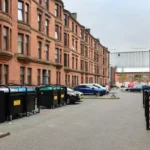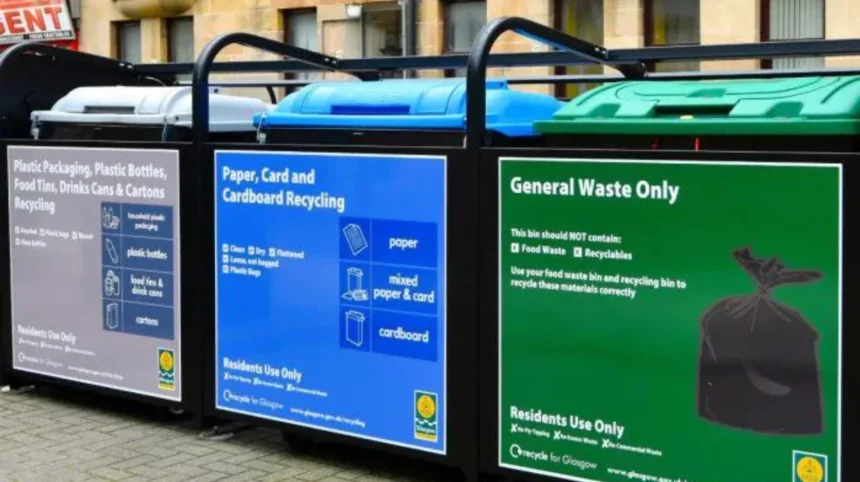
Recycling is an important part of Glasgow’s household waste system. Knowing what belongs in each recycling container reduces contamination, protects recyclable materials and helps divert waste from disposal. Glasgow households use different recycling arrangements depending on their property type and collection service.
- What does recycling mean in Glasgow?
- Which materials can be recycled through Glasgow household collections?
- What cannot be placed in Glasgow recycling bins?
- What happens to food waste in Glasgow?
- Can garden waste be recycled in Glasgow?
- Where should glass, electrical items and batteries go?
- Can clothes and textiles be recycled in Glasgow?
- What should Glasgow residents do with bulky and hazardous household waste?
- How should recyclable items be prepared before collection?
- Why do recycling rules differ between Glasgow properties?
- What is the environmental importance of recycling in Glasgow?
- How can households improve their recycling habits?
- What is the future of recycling in Glasgow and Scotland?
- What is the most important rule for recycling correctly in Glasgow?
The basic rule is simple: recycle the correct material in the correct container, keep recyclable items as clean as required by the collection service and use separate disposal routes for items that do not belong in household recycling.
This guide explains what can and cannot be recycled in Glasgow. It covers paper, cardboard, plastic, metal, glass, food waste, garden waste, electrical items, textiles and other common household materials. Local collection arrangements change over time, so residents should always check the latest address-specific guidance from Glasgow City Council.
What does recycling mean in Glasgow?
Recycling in Glasgow means separating household materials so they can enter appropriate collection and processing systems. Common recyclable materials include paper, cardboard, glass bottles, metal cans and selected plastics, while food, electrical goods and hazardous waste use separate disposal routes.
Recycling is the process of collecting and processing used materials so they can be turned into new products or resources. Household recycling differs from general waste because recyclable materials require sorting and specialist processing.
Glasgow’s recycling system forms part of Scotland’s wider approach to reducing waste and conserving resources. The Scottish Government’s waste strategy promotes waste prevention, reuse, recycling and the recovery of resources.
A recycling collection only works when the materials inside it meet the requirements of the processing system. A recyclable product placed in the wrong bin can contaminate other materials. Contamination occurs when unsuitable waste is mixed with recyclable material.
For example, a clean cardboard box is a recyclable material, while a cardboard container heavily contaminated with food requires a different disposal route. A glass bottle is recyclable as container glass, while a drinking glass or ceramic plate uses a different waste stream because it has a different composition.
Glasgow residents should therefore identify both the material and the condition of an item before placing it in a recycling container.
Which materials can be recycled through Glasgow household collections?
Glasgow household recycling collections accept specific materials through separate containers and collection systems. Paper and cardboard, selected plastic and metal packaging, glass bottles and jars, and food or garden waste each follow defined collection and processing routes.
The exact containers available to a household depend on its property and local collection arrangement. Houses, flats and shared developments can use different bin systems.
The principal recyclable material groups include paper and cardboard, packaging materials such as plastic containers and metal cans, glass bottles and jars, and organic material such as food or garden waste.
Paper, card and cardboard
Paper and cardboard are common household recycling materials. Examples include newspapers, magazines, letters, envelopes, cereal boxes, cardboard packaging, egg boxes and toilet roll tubes.
Paper and card should be kept free from excessive contamination. Wet paper and card lose quality and create problems during sorting and processing.
Large cardboard boxes should be flattened where required. Flattening reduces the amount of space used in a collection container and improves storage.
Certain paper-based products are not suitable for standard paper recycling. Examples include heavily contaminated food packaging, tissues, kitchen towels and some padded envelopes. These products contain contamination or mixed materials that prevent standard recycling.
Plastic packaging
Plastic recycling depends on the type of plastic and the local collection system. Common recyclable household packaging includes plastic bottles and, where accepted by the collection service, plastic pots, tubs and trays.
Examples of plastic bottles include milk bottles, water bottles, shampoo bottles, cleaning product bottles and sauce bottles.
Items should be emptied before recycling. Food or liquid residue contaminates recyclable material and creates hygiene problems.
Plastic packaging does not all use the same recycling process. Hard plastic containers, plastic film and composite packaging are different material categories. Residents should follow Glasgow’s current guidance rather than assuming that every item marked as plastic belongs in the same recycling bin.
Metal packaging
Metal household packaging commonly includes food tins, drinks cans and empty aerosol containers accepted through the appropriate recycling service.
Examples include soup tins, baked bean tins, aluminium drinks cans and empty household aerosol cans.
Containers should be empty. Aerosols require special care because pressurised containers and products containing hazardous substances do not belong in ordinary household recycling.
Large metal objects and scrap metal generally require a recycling centre or another specialist collection route.
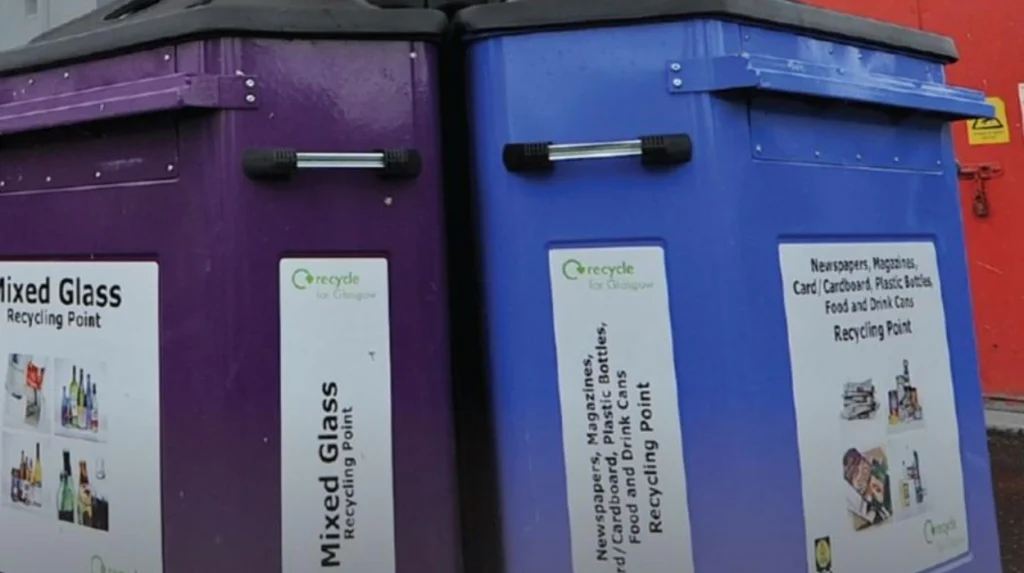
Glass bottles and jars
Glass container recycling includes bottles and jars used for food and drink products. Examples include wine bottles, sauce bottles, jam jars and coffee jars.
Glass should be empty before disposal. The collection system for glass can differ between properties, including separate glass containers or designated recycling points.
Not all glass products are recyclable with bottles and jars. Drinking glasses, mirrors, window glass, ceramics and heat-resistant glass products use different manufacturing materials. These materials interfere with container-glass recycling.
What cannot be placed in Glasgow recycling bins?
Glasgow recycling containers are not suitable for every household material. Common excluded items include nappies, sanitary products, polystyrene, heavily contaminated packaging, hazardous waste, batteries, electrical equipment and materials made from incompatible or mixed substances.
The most important principle is that household recycling bins are designed for defined material streams. They are not general containers for anything that appears recyclable.
Polystyrene packaging is a common example of a material that should not be placed in ordinary household recycling unless a specific collection route accepts it.
Nappies and sanitary products also do not belong in recycling containers. These items are contaminated and contain mixed materials.
Tissues, paper towels and heavily soiled paper products generally require a different disposal route. Their fibres are shorter or contaminated, reducing their value in standard paper recycling.
Plastic bags and film should only enter household recycling where Glasgow’s current collection service specifically accepts them. Residents should not assume that all flexible plastic belongs with rigid plastic containers.
Why contamination matters
Contamination reduces the quality of recyclable materials. A recycling load containing food waste, nappies or other unsuitable items requires additional sorting and can result in recyclable material being rejected.
A contaminated cardboard box provides a clear example. Clean, dry cardboard can enter a paper and card recycling stream. Cardboard saturated with food or other substances does not meet the same processing requirements.
Contamination also creates operational costs. Recycling facilities must sort materials using a combination of machinery and manual quality control.
Correct separation at home therefore affects the efficiency of the entire recycling process.
What happens to food waste in Glasgow?
Food waste is collected separately from general recycling because organic material requires biological treatment. Glasgow’s food waste system accepts many cooked and uncooked foods, including meat, dairy products, fruit, vegetables, bread and leftovers.
Food waste is different from packaging waste. Organic materials break down through biological processes and require a dedicated collection route.
Common accepted food materials include fruit and vegetable peelings, meat, fish, bones, dairy products, bread, rice, pasta, tea bags and coffee grounds, subject to the current collection guidance for the household.
Examples of food waste include banana skins, chicken bones, leftover rice, stale bread and used tea bags.
Packaging should not automatically enter the food waste container. Food packaging and ordinary plastic bags can interfere with the treatment process.
Residents should also avoid placing soil, rubble, stones and other non-food materials into food waste collections.
Separating food waste reduces the amount of biodegradable material placed in general waste. Scotland has introduced wider policy measures to improve the separate collection and treatment of organic waste.
Can garden waste be recycled in Glasgow?
Garden waste uses a separate organic waste route because plant material requires specialist composting or treatment. Accepted garden materials generally include grass cuttings, leaves, plants, flowers, hedge trimmings and small branches under the relevant collection rules.
Garden waste consists of biodegradable material generated in gardens and outdoor spaces.
Examples include fallen leaves, lawn cuttings, hedge trimmings, weeds and plant stems.
Soil, stones and rubble are not garden waste. These heavy materials damage processing equipment and do not break down through the same biological process.
Animal waste and general household rubbish also require separate disposal.
Garden waste collection arrangements vary according to the property and service available. Residents should confirm the current service before placing garden materials in a household bin.
Large quantities of garden waste can also require a visit to a household recycling centre.
Where should glass, electrical items and batteries go?
Glass, electrical goods and batteries require separate disposal because they contain different materials and processing requirements. Glass bottles and jars use designated glass recycling systems, while electrical equipment and batteries require specialist collection or recycling centre facilities.
These items should never be treated as ordinary mixed household waste simply because they are inconvenient to recycle.
Glass bottles and jars are made for container recycling. Their collection route can include a dedicated household container or a recognised recycling point.
Electrical equipment contains valuable materials and components. Examples include televisions, laptops, kettles, mobile phones and small household appliances.
The United Kingdom uses the Waste Electrical and Electronic Equipment, or WEEE, system to support the separate collection and treatment of electrical products. Electrical items should therefore use approved recycling facilities.
Batteries also require separate handling. Batteries contain materials that require specialist processing, and damaged or incorrectly discarded batteries create safety risks.
Examples include household AA batteries, rechargeable batteries and batteries removed from electronic devices.
Residents should use designated battery collection points, retailer schemes or appropriate recycling centre facilities according to local guidance.
Can clothes and textiles be recycled in Glasgow?
Clothes and household textiles should be kept out of ordinary mixed recycling containers because textiles require separate sorting and processing. Reuse, charity donation, textile banks and designated recycling facilities provide suitable routes for wearable and non-wearable textiles.
Textile waste includes clothing, shoes, household fabrics and other fabric-based products.
Examples include shirts, trousers, coats, towels and bed linen.
Reusable clothing should be separated from damaged textiles. A wearable coat can be reused through donation or resale, while a damaged fabric item can enter a textile recycling stream where an appropriate service accepts it.
Shoes are often collected as pairs. This improves the potential for reuse.
Textiles placed in paper, plastic or mixed packaging recycling streams contaminate those materials and can damage sorting equipment.
The best disposal route follows the condition of the item. Reuse comes before recycling because extending the useful life of a product avoids the immediate need for new material processing.
What should Glasgow residents do with bulky and hazardous household waste?
Bulky and hazardous household waste requires specialist disposal rather than ordinary recycling bins. Recycling centres and authorised collection services handle materials such as furniture, large appliances, paint, chemicals, batteries, scrap metal and construction-related household waste.
Bulky waste consists of items too large for normal household containers. Examples include furniture, mattresses, large electrical appliances and oversized household objects.
Some bulky items can be reused. Furniture in good condition can be donated or passed to another user through an appropriate reuse organisation.
Hazardous household materials require additional care. Examples include paint, solvents, chemicals, certain batteries and other substances that create environmental or safety risks.
These materials should not be poured into drains or placed in ordinary recycling containers.
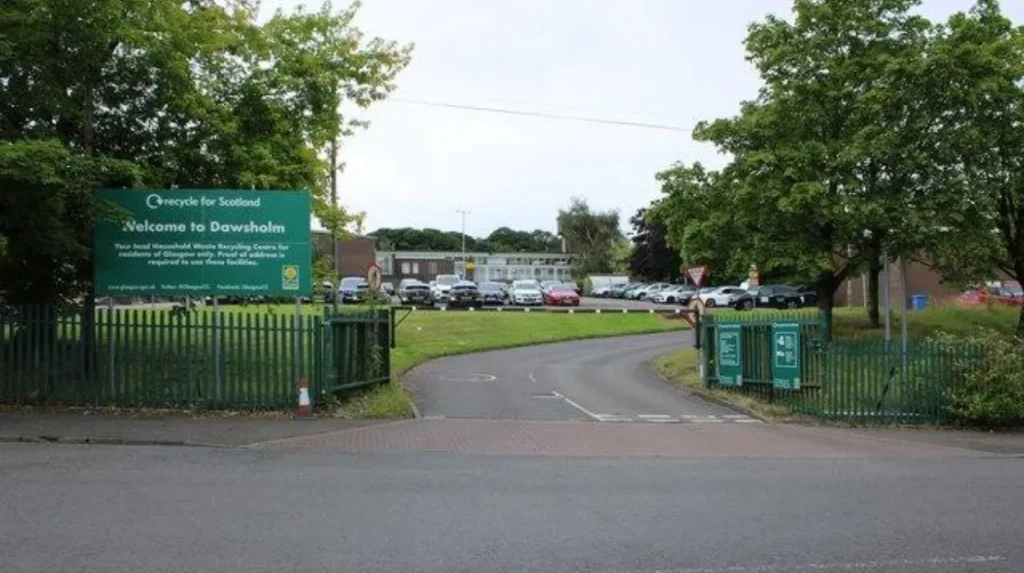
Household recycling centres provide a structured location for many materials that cannot be collected through kerbside services. Glasgow residents should check the current rules for site access, accepted materials, vehicle restrictions and opening arrangements before travelling.
How should recyclable items be prepared before collection?
Recyclable items should be prepared according to their material and collection requirements. Empty containers, separate incompatible materials, flatten cardboard where appropriate and keep paper and other recyclable items free from unnecessary food or liquid contamination.
Preparation improves material quality and makes sorting more efficient.
Food and drink containers should be emptied. Excess residue contaminates other recyclable items.
Cardboard boxes should be flattened when possible. Examples include delivery boxes, cereal packaging and larger household cardboard cartons.
Different materials should not be forced together. A mixed-material object is more difficult to recycle than a single-material item.
For example, a cardboard package with a large plastic insert contains two separate materials. Removing the insert where practical allows each material to follow the appropriate disposal route.
Residents should also avoid placing recyclable items inside unsuitable bags unless the collection instructions specifically require bagging.
The correct preparation method is always determined by the current local collection rules.
Why do recycling rules differ between Glasgow properties?
Recycling rules differ between properties because collection infrastructure varies across houses, flats and shared developments. Available storage space, bin capacity, collection vehicles and local waste facilities influence the containers and recycling arrangements provided to each address.
A detached house with several outdoor bins has different storage options from a city-centre flat.
Flats and shared properties often use communal recycling facilities. These facilities can have different container colours, capacities and collection schedules.
The material rules also change when a local authority introduces new collection infrastructure or expands a service.
Residents should therefore avoid relying on recycling advice from another council area. Bin colours are not nationally standardised, and an item accepted in one local authority’s collection can be excluded from another.
Address-specific guidance is the most reliable source for deciding which container to use.
What is the environmental importance of recycling in Glasgow?
Recycling conserves materials by returning suitable waste products to manufacturing systems. Effective recycling also supports waste reduction, reduces demand for virgin resources and diverts correctly separated materials from disposal routes such as landfill or energy recovery.
The environmental value of recycling depends on correct material separation.
Paper recycling recovers fibre from used paper products. Metal recycling recovers materials that can be processed into new products. Glass recycling returns suitable container glass to manufacturing systems.
Recycling also supports the broader circular economy. A circular economy keeps materials in use for longer through reduction, reuse, repair, remanufacturing and recycling.
The Scottish Government’s waste policy places recycling within a wider resource-management system. Prevention remains important because waste that is never created does not require collection or processing.
Glasgow residents therefore contribute to resource management through several actions: buying only what is needed, reusing suitable products, repairing durable items and separating waste correctly.
How can households improve their recycling habits?
Households improve recycling by learning local rules, separating materials at the point of disposal and checking unusual items before placing them in a bin. Consistent routines reduce contamination and ensure materials enter the correct collection or recycling system.
The first step is to create a simple household separation system.
Paper and cardboard can be stored separately from food waste. Glass bottles and jars can be kept ready for the designated collection route. Batteries and small electrical products can be set aside for specialist disposal.
The second step is to check unfamiliar packaging. Packaging often combines paper, plastic, foil and other materials. The correct disposal route depends on the individual components and the collection system available locally.
The third step is to prioritise reuse. Examples include reusing durable containers, donating wearable clothes and repairing suitable household items.
These actions reduce the amount of material entering the waste system.
Explore More Area Guide
How to Report a Missed Bin Collection in Glasgow
What Goes in Glasgow Recycling Bins? Complete Guide
What is the future of recycling in Glasgow and Scotland?
The future of recycling in Glasgow is linked to Scotland’s wider circular economy policies, improved material collection and stronger waste prevention. Future systems will continue to focus on high-quality recycling, separate collections and reducing the amount of waste generated by households.
Recycling systems develop as waste policy, product design and processing technology change.
Scotland has established national policies designed to improve resource efficiency and move waste management towards a circular economy.
Separate collection is important because high-quality materials are easier to process when they are not mixed with unsuitable waste.
Product design also affects recycling. Packaging designed with fewer material types is easier to separate and process than complex multi-layer products.
For Glasgow households, the practical lesson remains consistent: use the correct container, keep recyclable materials free from contamination and check official local guidance when an item is unclear.
What is the most important rule for recycling correctly in Glasgow?
The most important recycling rule in Glasgow is to follow the collection instructions for the specific household and material. Correct separation prevents contamination, supports efficient processing and ensures paper, packaging, glass, food waste and specialist items enter appropriate waste-management routes.
Recycling works as a system rather than as a single household action.
The system begins when a resident identifies a material and places it in the correct container. Collection services then transport materials to facilities where they are sorted, processed and prepared for further use.
Incorrect disposal interrupts this process. A battery in a recycling bin creates a safety risk. Food-contaminated paper reduces material quality. Glass, ceramics and other incompatible materials can interfere with recycling streams.
The strongest approach is therefore based on accuracy rather than assumptions.
Glasgow residents should use local guidance for their address, separate waste by material type and use recycling centres or specialist services for items that do not belong in ordinary household collections.
Correct recycling protects resources, reduces contamination and supports Glasgow’s wider transition toward more sustainable waste management.
What can I recycle in Glasgow?
Glasgow households can recycle specific materials through local collection services, including paper, cardboard, selected plastic packaging, metal cans, glass bottles and jars. Food and garden waste use separate collection routes.