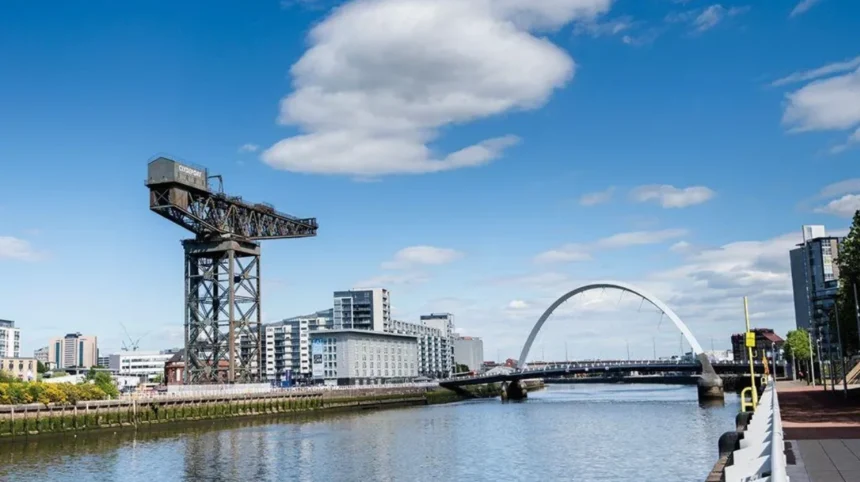
Glasgow’s Low Emission Zone (LEZ) controls which vehicles can enter designated areas of the city centre. The rules depend on a vehicle’s Euro emissions standard, vehicle category and registration details. Cars that meet the required emissions standards can enter Glasgow LEZ without breaching its emissions requirements, while non-compliant vehicles face enforcement penalties.
- What Is Glasgow’s Low Emission Zone?
- When Did Glasgow LEZ Rules Become Mandatory?
- Which Cars Are Allowed in Glasgow LEZ?
- What Euro Emissions Standard Does a Car Need?
- How Can Drivers Check Whether Their Cars Meet Glasgow LEZ Rules?
- Where Is Glasgow LEZ Located?
- Are Older Cars Banned From Glasgow LEZ?
- Are Vans, Taxis and Other Vehicles Allowed in Glasgow LEZ?
- Vans and light commercial vehicles
- Buses, coaches and heavy goods vehicles
- Taxis and private hire cars
- Which Vehicles Are Exempt From Glasgow LEZ?
- What Is the Fine for Driving a Non-Compliant Car Into Glasgow LEZ?
- Can Drivers Avoid Glasgow LEZ by Using Another Route?
- How Does Glasgow LEZ Affect Residents, Visitors and Businesses?
- How Does Glasgow LEZ Support Air Quality Improvements?
- What Should Drivers Check Before Entering Glasgow LEZ?
For drivers, checking a vehicle’s compliance before travelling is essential. The restrictions apply to residents, commuters, visitors and people driving into central Glasgow for shopping, work, healthcare or leisure. The rules also affect drivers who regularly use the city centre for deliveries, appointments and other journeys.
Glasgow LEZ forms part of Scotland’s wider strategy to improve urban air quality, reduce harmful exhaust emissions and protect public health. Understanding which cars are allowed helps motorists plan journeys, avoid penalties and identify suitable alternatives when their vehicles do not meet the requirements.
What Is Glasgow’s Low Emission Zone?
Glasgow’s Low Emission Zone is a designated city-centre area where vehicles must meet minimum emissions standards. The scheme restricts entry by non-compliant vehicles, including certain petrol and diesel cars, to reduce harmful air pollution and improve air quality across central Glasgow.
A Low Emission Zone, commonly abbreviated to LEZ, is an area where access depends on a vehicle’s environmental performance. Glasgow’s scheme focuses on exhaust emissions associated with road transport, including nitrogen oxides and particulate matter.
Glasgow City Council operates the city’s LEZ under Scotland’s national low-emission-zone framework. Automatic Number Plate Recognition (ANPR) cameras record vehicle registration numbers at entry points. The system checks those registrations against vehicle information to identify potential breaches.
Unlike a congestion charge, Glasgow LEZ does not charge every vehicle simply for entering the zone. Compliant vehicles can enter without an LEZ penalty, while vehicles that fail to meet the requirements are subject to enforcement.
The scheme is particularly relevant to motorists travelling through Glasgow city centre, where traffic, commercial activity and concentrated road use contribute to local air pollution.
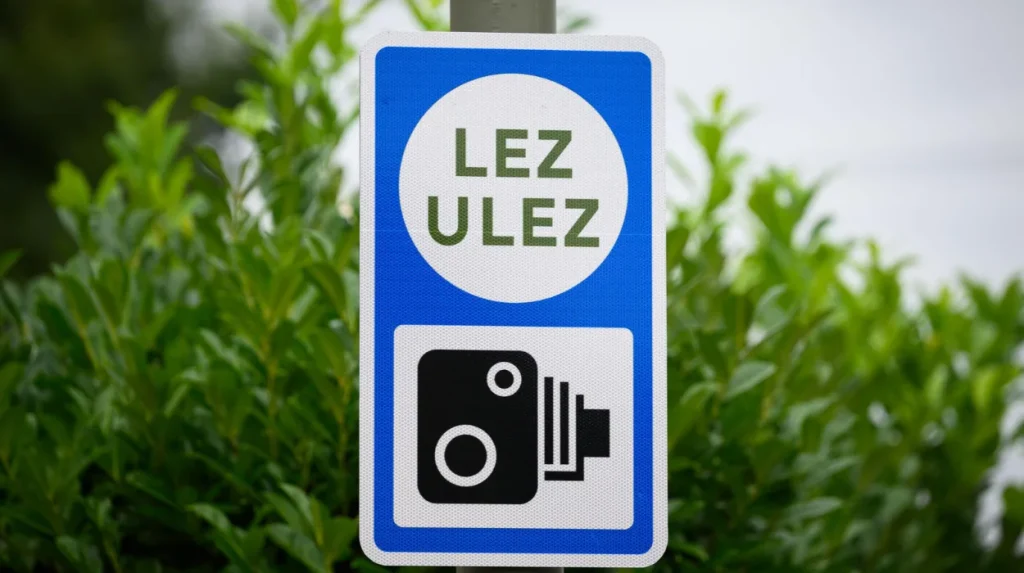
When Did Glasgow LEZ Rules Become Mandatory?
Glasgow introduced its Low Emission Zone in 2018, initially focusing on local service buses. Phase 2 began on 1 June 2023, extending restrictions to all vehicle categories covered by the scheme, with enforcement against non-compliant vehicles starting on 1 June 2023.
The introduction of Glasgow LEZ followed Scotland’s wider clean-air policy, which encouraged local authorities to address pollution in busy urban centres.
The original phase concentrated on buses operating within the designated area. This approach allowed the city to begin reducing emissions from public transport before extending restrictions to other vehicle categories.
Phase 2 introduced the wider requirements for cars, vans, taxis, heavy goods vehicles and other covered vehicles. From 1 June 2023, non-compliant vehicles entering Glasgow LEZ became subject to enforcement.
The scheme applies to vehicles registered outside Glasgow as well as those registered locally. Drivers do not receive an exemption simply because they live in the city, work nearby or enter the zone regularly.
The LEZ therefore forms part of the normal journey-planning process for anyone driving into central Glasgow.
Which Cars Are Allowed in Glasgow LEZ?
Petrol cars must meet Euro 4 emissions standards, while diesel cars must meet Euro 6 standards. Fully electric cars are not subject to LEZ emissions restrictions. Hybrid cars must meet the applicable petrol or diesel standard, regardless of their hybrid technology.
The permitted vehicle categories are determined by the emissions standard recorded for each vehicle, rather than by its manufacturer or model name alone.
Petrol cars
Petrol cars that meet Euro 4 or a later emissions standard comply with Glasgow LEZ requirements. Euro 4 petrol cars generally include vehicles first registered from January 2006, although registration dates are only a guide.
A petrol car registered after 2006 often meets the required standard, but drivers should confirm the vehicle’s official emissions information before entering the zone.
Diesel cars
Diesel cars must meet Euro 6 emissions standards. These vehicles generally include cars first registered from September 2015.
Many older diesel cars fall below the required standard, even when they remain roadworthy and pass their annual MOT test. An MOT certificate does not establish LEZ compliance.
Electric cars
Fully electric cars meet the LEZ emissions requirements because they do not produce exhaust emissions from an internal combustion engine. Drivers can enter Glasgow LEZ without an emissions-standard penalty for these vehicles.
Hybrid cars
Hybrid cars combine an internal combustion engine with an electric motor. Their eligibility depends on the applicable emissions standard, so a hybrid badge does not automatically establish compliance.
Petrol-electric hybrids must meet the petrol-car standard, while diesel hybrids must meet the diesel-car standard. Drivers should use the official vehicle checker to confirm their vehicle’s status.
What Euro Emissions Standard Does a Car Need?
Glasgow LEZ requires Euro 4 for petrol cars and Euro 6 for diesel cars. Euro standards classify vehicles according to regulated exhaust emissions. A vehicle’s recorded standard determines compliance, while its age and registration date provide only an initial indication.
The European Union introduced Euro emissions standards to limit pollutants produced by motor vehicles. These standards became progressively stricter as vehicle technology and emissions regulation developed.
Euro 4 applies to petrol cars and vans under Scotland’s LEZ rules. Euro 6 applies to diesel cars and vans. These are minimum thresholds, so cars meeting later standards also satisfy the relevant emissions requirement.
Nitrogen oxides, commonly called NOx, contribute to air pollution and can affect respiratory health. Particulate matter consists of tiny airborne particles associated with adverse health effects. Diesel emissions controls, including particulate filters and NOx-reduction technology, help eligible vehicles meet stricter limits.
A car’s Euro standard is not the same as its fuel economy rating, CO₂ emissions figure or MOT status. A vehicle with good fuel economy does not automatically qualify for Glasgow LEZ, and a vehicle that passes its MOT can still fail the zone’s emissions requirements.
Drivers should therefore establish the precise Euro standard rather than relying on a vehicle’s advertised environmental performance.
How Can Drivers Check Whether Their Cars Meet Glasgow LEZ Rules?
Drivers can check Glasgow LEZ eligibility through the official Scottish Government vehicle checker using their vehicle registration number. The result identifies whether a UK-registered vehicle meets the emissions requirements. Drivers should check before travelling and verify exemptions separately.
The vehicle checker is the most reliable starting point because it uses vehicle registration information instead of relying on general model-year guidance.
The checking process is straightforward:
- Open the Scottish Government’s official LEZ vehicle checker.
- Enter the vehicle’s registration number.
- Review the compliance result.
- Confirm whether an exemption or registration requirement applies.
- Check Glasgow City Council’s LEZ map before planning the journey.
The checker is particularly important for imported vehicles, older cars and hybrids. Registration data can sometimes be incomplete or incorrect, so drivers who believe a result is wrong should contact the relevant council and follow the official correction process.
What should drivers do if their vehicle is not listed correctly?
A registration-based result can depend on the accuracy of the vehicle information held in official records. Drivers who have evidence that their car meets the required emissions standard should contact Glasgow City Council if they receive an incorrect compliance result or penalty.
Supporting evidence from the manufacturer or vehicle documentation helps establish the correct standard. The Scottish Government advises motorists with penalty notices to contact the council that issued the notice.
Where Is Glasgow LEZ Located?
Glasgow LEZ covers a designated area of the city centre, with entry restrictions enforced on roads within its published boundary. The scheme does not apply indiscriminately across the whole city. Drivers should consult Glasgow City Council’s official LEZ map before choosing a route.
The boundary determines whether a journey enters the regulated area. Travelling to Glasgow does not automatically mean that a driver enters the LEZ, because destinations outside the designated zone are not covered simply by being within the wider city.
Drivers heading to central shopping areas, workplaces, visitor attractions and other city-centre destinations should check the route carefully. A journey that crosses the boundary can trigger enforcement even when the destination itself is close to the edge.
How do LEZ cameras enforce the rules?
Automatic Number Plate Recognition cameras read vehicle registration plates at designated entry points. The system uses registration information to identify vehicles and assess whether they meet the applicable emissions requirements.
The rules operate continuously rather than only during conventional working hours. Glasgow LEZ operates 24 hours a day, seven days a week, including public holidays.
Drivers should not assume that entering at night, on a Sunday or during a public holiday avoids enforcement.
Are Older Cars Banned From Glasgow LEZ?
Older cars are not automatically banned from Glasgow LEZ solely because of their age. Petrol cars meeting Euro 4 and diesel cars meeting Euro 6 comply with the emissions rules. Some older vehicles qualify, while some newer vehicles require individual verification.
Vehicle age is a useful indicator, but it is not the legal test for entry. Two cars registered in similar years can have different emissions specifications, depending on their engine, fuel type and vehicle configuration.
A petrol car registered in 2007 generally meets the age profile associated with Euro 4 petrol compliance. A diesel car registered in 2014 generally falls before the usual Euro 6 registration period, so its compliance needs particular attention.
These examples are indicative rather than definitive. The registration-based checker remains the recommended way to determine eligibility.
The distinction matters to owners who intend to keep an older vehicle, buy a used car or travel into Glasgow occasionally. A vehicle that is suitable for rural journeys or trips outside central Glasgow does not necessarily meet the city-centre LEZ requirements.
Are Vans, Taxis and Other Vehicles Allowed in Glasgow LEZ?
Petrol vans must meet Euro 4 and diesel vans must meet Euro 6 emissions standards. Buses, coaches and heavy goods vehicles have separate standards. Taxis and private hire cars are also covered, so operators must verify each vehicle’s compliance before entering Glasgow LEZ.
Although this article focuses on cars, Glasgow’s restrictions cover a wider range of road vehicles. The applicable emissions threshold depends on the vehicle category and fuel type.
Vans and light commercial vehicles
Petrol vans need Euro 4 compliance, while diesel vans need Euro 6. Small businesses, tradespeople and delivery operators should check each vehicle rather than assume that a commercial vehicle receives different treatment from a private car.
Buses, coaches and heavy goods vehicles
Diesel buses, coaches and heavy goods vehicles must generally meet Euro VI standards. Petrol vehicles in these categories are subject to the applicable Euro IV requirement under Scotland’s national framework.
The distinction between Euro 6 and Euro VI is important. Euro 6 refers to light-duty vehicles such as cars and vans, while Euro VI refers to heavy-duty vehicle standards.
Taxis and private hire cars
Taxis and private hire cars are covered by Glasgow LEZ requirements. Drivers and fleet operators should confirm the vehicle’s compliance before accepting journeys into the restricted area.
A vehicle’s taxi licence or private hire status does not, by itself, establish that it meets the emissions standard.
Which Vehicles Are Exempt From Glasgow LEZ?
Certain vehicles receive exemptions from Scotland’s LEZ restrictions even when they do not meet the normal emissions standards. Exemptions include motorcycles, mopeds and fully electric vehicles under the applicable rules, alongside specific qualifying vehicle categories and registered Blue Badge exemptions.
An exemption is different from compliance. A compliant vehicle meets the emissions standard, while an exempt vehicle is legally excluded from the relevant restriction under the applicable exemption rules.
Motorcycles and mopeds are outside the LEZ emissions restrictions. Fully electric vehicles are also not subject to the usual emissions-standard restriction.
Other specific exemptions apply under Scotland’s regulations. These include certain emergency service vehicles, military vehicles, historic vehicles and specialist vehicles meeting the relevant conditions. Eligibility depends on the category and applicable legal requirements, so owners should verify their individual circumstances.
How does the Blue Badge exemption work?
A vehicle carrying a Blue Badge holder does not automatically receive an exemption in every circumstance. The relevant exemption must be registered before travel when registration is required.
According to the Scottish Government’s guidance updated on 17 June 2026, eligible Blue Badge holders can register a one-day exemption or a long-term exemption. A one-day exemption can be registered up to seven days before travel, and up to two vehicles can be registered per Blue Badge. Long-term registration is available only when the vehicle is registered to the Blue Badge holder’s home address. The exemption must be registered before midnight on the day of travel.
What Is the Fine for Driving a Non-Compliant Car Into Glasgow LEZ?
The initial Glasgow LEZ penalty charge for a non-compliant, non-exempt car is £60. Payment within 14 days reduces it to £30. Repeat contraventions by the same vehicle within 90 days increase the charge, up to a maximum of £480 for cars.
The penalty system is designed to discourage repeated entry by vehicles that fail to meet the emissions standards. It applies when a non-compliant vehicle enters the zone without an applicable exemption.
The charge increases as follows:
- First contravention: £60.
- Second contravention within the relevant 90-day period: £120.
- Third contravention: £240.
- Fourth and subsequent contraventions: up to £480 for cars and light goods vehicles.
The reduced payment amount applies when the charge is paid within 14 days. If no further contravention is recorded during the 90 days following the previous penalty, the charge resets to the initial £60 level. Only one penalty charge per LEZ per day can be issued for the same vehicle under the national rules.
Drivers cannot pay a fee in advance to gain permission for a non-compliant vehicle to enter Glasgow LEZ. The scheme is an emissions restriction, not a pay-to-enter road charge.
How can a driver challenge an LEZ penalty?
A registered vehicle keeper who believes a penalty was issued incorrectly should follow the challenge instructions provided by Glasgow City Council. Relevant evidence includes the vehicle’s correct emissions specification or proof of a valid exemption.
If the council rejects the initial challenge, the notice explains the next steps. The Scottish Government’s guidance states that an appeal to the First-tier Tribunal for Scotland is available after the council issues a Notice of Rejection.
Can Drivers Avoid Glasgow LEZ by Using Another Route?
Drivers can avoid Glasgow LEZ penalties by planning journeys that remain outside the designated boundary when their vehicles are non-compliant. A route that enters the zone triggers the normal restrictions, even if the driver intends only to pass through the city centre.
Route planning is important for motorists who travel through Glasgow rather than stop there. A sat-nav can select a route through the city centre without making the vehicle’s LEZ status clear.
Drivers should review their destination, the roads included in the LEZ and the available alternatives before starting their journey. The official Glasgow LEZ map provides the relevant boundary information.
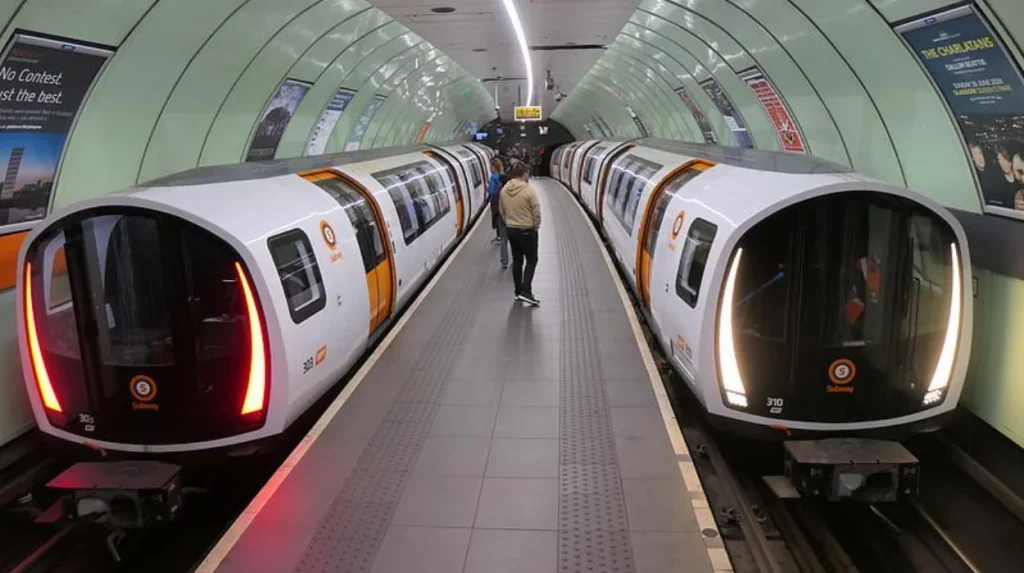
Parking outside the restricted area and completing the journey by public transport is another option. Glasgow has bus, rail and Subway services that connect different parts of the city, although the most suitable alternative depends on the destination and service availability.
A route that avoids the LEZ must remain outside its boundary. Drivers should not rely on the assumption that a short journey, a delivery stop or a brief entry will be ignored by enforcement cameras.
How Does Glasgow LEZ Affect Residents, Visitors and Businesses?
Glasgow LEZ affects motorists differently according to their travel patterns, vehicle type and emissions compliance. Residents, commuters, tourists and businesses using vehicles that meet the standards can continue entering the zone, while non-compliant vehicles need an applicable exemption or an alternative journey.
For residents, the rules matter when travelling to city-centre homes, workplaces, appointments and shopping destinations. Living within Glasgow does not automatically exempt a car from the requirements.
Visitors should check their vehicles before travelling to central attractions, hotels and other destinations. A vehicle registered elsewhere in Scotland or elsewhere in the United Kingdom is subject to the same applicable emissions standards.
Businesses face additional planning considerations when operating vans, taxis and delivery vehicles. Fleet managers can reduce the risk of penalties by recording the compliance status of each vehicle and checking replacement vehicles before assigning them to city-centre work.
For used-car buyers, LEZ compliance is an important consideration when choosing a vehicle for regular Glasgow journeys. A car that meets the relevant standard offers greater flexibility for travel into the zone.
Explore More Area Guide
Glasgow to Edinburgh: Cheapest and Fastest Travel Guide
Glasgow Night Transport: Buses and Trains After Midnight
How Does Glasgow LEZ Support Air Quality Improvements?
Glasgow LEZ is designed to reduce harmful vehicle exhaust emissions in the city centre by restricting the most polluting vehicles. Its effectiveness depends on vehicle compliance, changes in traffic and the wider transition towards cleaner transport, including electric vehicles and public transport.
Road transport contributes to urban air pollution through exhaust emissions and other traffic-related sources. Nitrogen oxides and particulate matter are important pollutants because of their effects on human health and the urban environment.
Restricting older, higher-emitting vehicles encourages owners and operators to use compliant vehicles, change their journeys or consider other transport options. However, LEZ rules do not eliminate every source of pollution, and compliance with the zone does not mean a vehicle produces no emissions.
The policy also forms part of Scotland’s wider transport and environmental framework. National legislation provides the basis for local authorities to introduce and enforce low emission zones, while national regulations establish consistent emissions standards and penalty arrangements.
For motorists, the practical implication remains clear: checking emissions compliance before entering Glasgow city centre avoids unnecessary penalties and supports the scheme’s objective of improving local air quality.
What Should Drivers Check Before Entering Glasgow LEZ?
Drivers should confirm their vehicle’s Euro emissions standard, check the official registration-based compliance result, review any exemption requirements and identify the LEZ boundary before travelling. These checks help prevent penalties and ensure that the selected route complies with Glasgow’s current access restrictions.
The essential checks are straightforward:
- Confirm that a petrol car meets Euro 4 or a diesel car meets Euro 6.
- Use the official Scottish Government vehicle checker.
- Register an applicable exemption before travelling when required.
- Check the Glasgow LEZ map and plan the route.
- Review any penalty notice promptly and follow the council’s challenge procedure if necessary.
Glasgow LEZ does not prohibit every older vehicle, and it does not impose the same emissions threshold on every vehicle category. Petrol cars, diesel cars, vans and heavy-duty vehicles are assessed under their relevant standards, while exemptions apply only under specified conditions.
For drivers asking which cars are allowed in Glasgow LEZ, the central rule is simple: petrol cars need Euro 4 compliance, diesel cars need Euro 6 compliance, and fully electric cars are not subject to the usual emissions-standard restrictions. Checking the individual registration before travelling remains the most reliable way to establish eligibility.
Which cars are allowed in Glasgow LEZ?
Petrol cars meeting Euro 4 or later standards and diesel cars meeting Euro 6 or later standards are allowed. Fully electric cars are not subject to the usual LEZ emissions restrictions.