Key Points
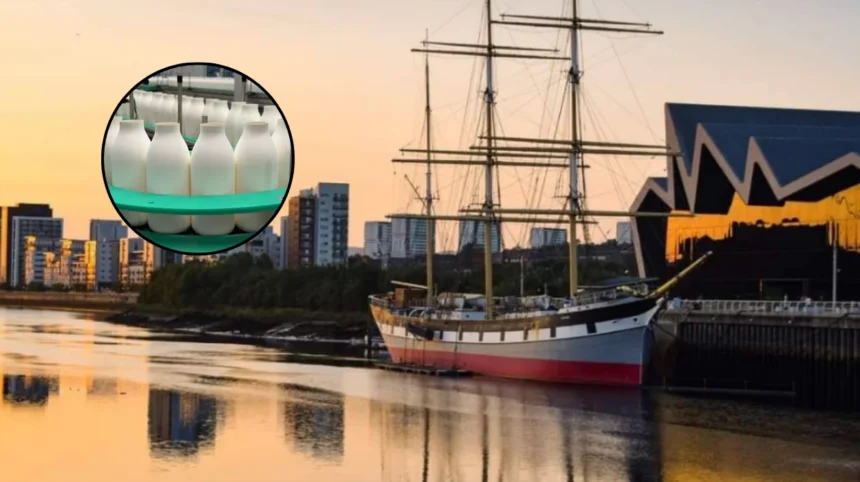
- UK-based packaging technology company Pulpex officially opened its first commercial manufacturing facility near Glasgow, transitioning from pilot development into full-scale industrial reality.
- The new plant features an initial capacity of up to the ambitious target of 40 million units per year and has created approximately 39 skilled manufacturing jobs in the region.
- The Glasgow site functions as a working reference model for Pulpex’s global Manufacture Under Licence network, serving as the first step in a roadmap to reach one billion units annually.
- The development received financial backing from the UK’s National Wealth Fund and the Scottish National Investment Bank, emphasizing sustainable manufacturing and clean growth.
- Pulpex’s patent-protected bottles are manufactured using sustainably sourced wood pulp, free from hidden plastic layers, and fully recyclable through standard household paper and card streams.
- Over 90% of the Glasgow site’s initial capacity for the current financial year has already been pre-sold across food and non-food categories.
- Purely Scottish Natural Mineral Water is announced as an early launch partner, preparing to launch what will be the UK’s first natural mineral water packaged in a paper bottle.
- Global expansion is underway through licensing partnerships, including Swiss firm Perlen Industrieholding AG in Europe and India’s Alternicq across India and the Gulf Cooperation Council.
Glasgow (Glasgow Express) October 9, 2026 – Glasgow has officially welcomed a major milestone in sustainable packaging technology as UK-based packaging technology company Pulpex opened its first commercial manufacturing facility near the city. Moving fibre-based bottle technology from pilot development into full-scale industrial reality, the new plant boasts an initial capacity of up to 40 million units per year while creating approximately 39 skilled manufacturing jobs in the region.
Designed as a working reference model for Pulpex’s global Manufacture Under Licence network, the Glasgow site represents the foundational step in an ambitious roadmap aiming to reach one billion units annually. The facility’s establishment has been strongly supported by investment from the UK’s National Wealth Fund and the Scottish National Investment Bank, highlighting its vital role in advancing sustainable manufacturing and clean growth across the country.
How Does the New Glasgow Facility Prove the Industrial Model?
Until now, fibre-based bottles have largely remained constrained within pilot programmes and prototypes. The inauguration of the Glasgow factory provides brand owners, packaging manufacturers, and investors with a concrete, working demonstration that renewable, low-carbon alternatives to plastic and glass can successfully be produced at commercial scale.
Chief Executive Officer of Pulpex, Sandy Westwater, stated that
“the opening of our Glasgow facility marks the moment Pulpex moves from proving the technology to proving the industrial model.”
Furthermore, Sandy Westwater stated that
“every Manufacture Under Licence conversation we have from today is a conversation about a working plant rather than a prototype — enabling the start of a material impact on our environment by reducing CO2 emissions and, critically, removing plastic waste on land and in our oceans.”
How are the Bottles Engineered for Existing Supply Chains?
Pulpex’s patent-protected bottles are engineered using sustainably sourced wood pulp and completely exclude hidden plastic layers. Crucially, they are designed to be fully recyclable through standard household paper and card recycling streams, avoiding the need for any specialized recycling infrastructure.
To ensure rapid adoption by major consumer brands, the bottles offer several core commercial features:
- Compatible with current infrastructure: Engineered to work seamlessly with existing liquid filling lines, eliminating expensive factory retooling.
- Commodity pulp feedstock: Produced utilizing standard, non-specialist wood pulp available on established global markets rather than proprietary feedstocks.
- Turnkey supply network: Pulpex provides licensed partners with a fully validated supply chain of essential production materials and consumables.
- Direct-to-shape branding: Supports direct decoration on the bottle exterior for enhanced shelf differentiation.
Which Brands are Participating as Early Launch Partners?
Demonstrating strong market demand, Pulpex revealed that more than 90% of the Glasgow site’s initial capacity for the current financial year has already been pre-sold across both food and non-food categories.
Among the initial commercial adoption announcements is Purely Scottish Natural Mineral Water. Following an 18-month collaborative development process, the brand is set to launch what will become the UK’s first natural mineral water packaged in a paper bottle. Pulpex further noted that additional commercial rollouts with major international consumer brands spanning food, beverage, home care, and personal care will be officially announced in the coming months.
How is Global Expansion Being Handled via Licensing?
The Glasgow facility is set to act as the flagship operational template for external packaging converters operating under license around the world:
- Europe: Swiss paper and packaging firm Perlen Industrieholding AG became Pulpex’s first European licensing partner, securing exclusive manufacturing rights across Switzerland, Austria, Italy, and southern Germany for its PerlenBottle.
- Asia & Middle East: India’s largest rigid packaging manufacturer, Alternicq, has secured exclusive rights to develop the market across India and the Gulf Cooperation Council ahead of a full manufacturing license.
By leveraging licensing partnerships with regional packaging converters, Pulpex intends to scale production close to regional brand demand while ensuring continuous compatibility with local recycling systems worldwide.
Background of the Particular Development
The push toward commercial-scale paper packaging comes amid escalating global regulatory pressure and consumer demand to eliminate single-use plastics. For decades, the packaging industry has relied heavily on polyethylene terephthalate (PET) plastic and glass, both of which carry significant carbon footprints or recycling challenges. While paper-based alternatives have long existed in concept or small-scale laboratory trials, they historically struggled to match the durability, moisture resistance, and high-speed production capabilities required by multinational consumer goods companies.
Pulpex’s technological evolution bridges this gap by engineering molded fiber bottles that can withstand liquid contents without relying on internal plastic liners. Financial backing from institutional backers like the UK’s National Wealth Fund and the Scottish National Investment Bank reflects a broader governmental strategy to fund green infrastructure, lower industrial emissions, and position the UK as a leader in sustainable manufacturing innovation.
Prediction
The successful launch of Pulpex’s commercial facility and its early adoption by brands like Purely Scottish Natural Mineral Water are likely to trigger a wider shift across the fast-moving consumer goods (FMCG) sector. For consumer brands, utilizing paper bottles offers a clear pathway to meeting corporate sustainability targets and appealing to eco-conscious shoppers without needing to overhaul existing factory filling lines.
For the packaging and recycling industries, mainstream adoption of a fibre bottle that integrates into standard paper waste streams could significantly reduce plastic leakage into landfills and oceans. However, consumer acceptance, long-term supply chain cost competitiveness against cheap virgin plastics, and the speed at which global licensees scale production will ultimately dictate whether paper bottles transition from a niche eco-friendly alternative into a dominant commercial packaging standard.