Glasgow is well suited to a car-free lifestyle because its urban neighbourhoods connect through the Subway, railways, buses, walking routes and cycling infrastructure. The strongest areas for living without a car sit close to transport interchanges, local high streets, universities, workplaces, parks and everyday services.
- Which Glasgow areas are best without a car?
- Why is Glasgow suitable for living without a car?
- Is Partick one of the best Glasgow areas without a car?
- Is Hillhead a good Glasgow area for people without a car?
- Is Kelvinbridge suitable for a car-free lifestyle?
- Is Glasgow City Centre the easiest area to live without a car?
- Is Finnieston a good area for living without a car?
- Is Shawlands a good Glasgow area without a car?
- Is Dennistoun suitable for living in Glasgow without a car?
- Which Glasgow West End areas work well without a car?
- Which Glasgow areas are best for students without a car?
- How does public transport make car-free Glasgow living practical?
- Can you cycle around Glasgow without owning a car?
- What should you check before choosing a Glasgow area without a car?
- Which Glasgow areas provide the strongest combination of walking and public transport?
- How is Glasgow developing its future transport network for car-free travel?
Which Glasgow areas are best without a car?
The best Glasgow areas without a car are West End neighbourhoods such as Partick, Hillhead and Kelvinbridge, plus City Centre, Finnieston, Shawlands and Dennistoun. These areas combine public transport, walkable amenities, local services and connections across Glasgow.
Car-free living in Glasgow depends mainly on location rather than on the absence of roads. A neighbourhood with shops, schools, workplaces, parks and transport within walking distance reduces the need for private vehicle journeys.
The Glasgow Subway is particularly important. It has 15 stations arranged around a roughly 10-mile circuit serving the City Centre and West End. The network includes stations at Buchanan Street, St Enoch, Partick, Kelvinhall, Hillhead, Kelvinbridge, Govan and Ibrox.
Rail adds another layer of connectivity. Glasgow Central and Glasgow Queen Street provide major connections for journeys across the city and to destinations elsewhere in Scotland. Bus services provide coverage beyond the Subway and rail corridors.
Glasgow City Council also identifies walking, cycling and wheeling as important parts of the city’s transport system. Its transport policies include investment in active travel infrastructure and sustainable transport.
For residents without a car, the practical priorities are simple:
- A frequent public transport connection
- A nearby food shop
- Access to healthcare
- Walkable cafés and services
- Nearby green space
- A straightforward journey to work or study
- Convenient links to Glasgow City Centre
These factors make neighbourhood selection more important than car ownership.
Why is Glasgow suitable for living without a car?
Glasgow supports car-free living through an integrated network of Subway stations, railway stations, buses, walking routes and cycling facilities. The compact central urban area also places employment, education, retail, entertainment and public services within practical walking distances.
The Subway forms the backbone of many car-free journeys. SPT describes it as a key way to travel around the City Centre and West End. A complete Subway circuit takes about 24 minutes, with trains running every four minutes during peak periods.
The Subway has two operating circles:
- Inner Circle
- Outer Circle
Both serve the same 15 stations in opposite directions. Examples include Buchanan Street, St Enoch, Cowcaddens, St George’s Cross, Kelvinbridge, Hillhead, Kelvinhall, Partick, Govan and Ibrox.
Rail services provide wider connections. Glasgow Central serves major routes south and west of the city, while Glasgow Queen Street is important for destinations across central and northern Scotland.
Buses fill gaps between railway and Subway corridors. Buchanan Bus Station is Glasgow’s principal city-centre bus station. SPT also operates bus interchanges at Govan and Partick.
Walking is equally important. A resident who lives near a supermarket, pharmacy, GP practice, school, café and public transport stop can complete many daily activities without using any motorised transport.
Cycling provides another option for longer local journeys. Glasgow’s active travel programmes include cycling and walking infrastructure, community cycling initiatives and travel behaviour programmes.
Is Partick one of the best Glasgow areas without a car?
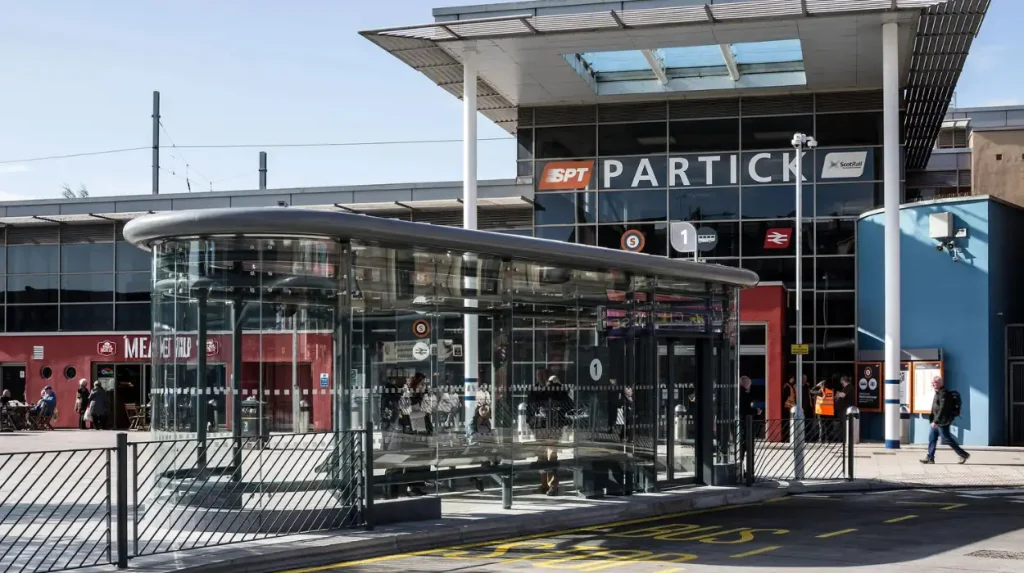
Partick is one of Glasgow’s strongest car-free neighbourhoods because Partick Station connects rail, Subway and bus services, while Byres Road, Dumbarton Road, local shops, supermarkets and the West End are accessible on foot. The area also connects efficiently with wider Glasgow.
Partick occupies a strategic position in Glasgow’s West End. Its transport interchange brings several modes together in one neighbourhood.
Partick Subway station sits on the Subway’s western section. Partick railway station provides rail connections. Partick Bus Station adds local and regional bus services.
SPT specifically identifies Partick as a transport interchange with a railway station and bus station. The Subway station also provides access to nearby attractions including the Riverside Museum.
The local street pattern supports daily errands. Dumbarton Road provides shops and services. Byres Road is within walking distance for many residents. The University of Glasgow, Kelvingrove Park and the River Clyde are also accessible from the wider Partick area.
Partick works particularly well for people who travel between the West End and central Glasgow.
The neighbourhood also provides a practical base for journeys outside the immediate area. Rail services connect to other parts of the Glasgow region, while the Subway provides access to central and western districts.
For a car-free household, this combination reduces reliance on taxis and private vehicles.
Is Hillhead a good Glasgow area for people without a car?
Hillhead is highly connected for car-free residents because Hillhead Subway station sits beside Byres Road, while the University of Glasgow, Botanic Gardens, shops, restaurants, cultural venues and Kelvingrove Park are all accessible within the West End transport network.
Hillhead is centred around Byres Road and the University of Glasgow. The area has a strong concentration of everyday services and destinations.
Hillhead Subway station is located on Byres Road. SPT lists the University of Glasgow, Hunterian Museum, Botanic Gardens and Ashton Lane among nearby destinations.
This concentration is important for car-free living. Residents can combine several errands within one walking journey.
Byres Road functions as a major local commercial street. It contains food shops, restaurants, cafés, professional services and other everyday facilities.
The University of Glasgow is also nearby. Students and university staff can therefore use public transport and walking for many regular journeys.
Hillhead also connects easily with Kelvinbridge, Kelvinhall and Partick through the Subway.
Its location makes it particularly practical for residents whose daily activities are concentrated in Glasgow’s West End or City Centre.
Is Kelvinbridge suitable for a car-free lifestyle?
Kelvinbridge is suitable for car-free living because it has a Subway station, direct access to Great Western Road and nearby walking routes, shops, services and green space. Kelvingrove Park and surrounding West End neighbourhoods are accessible without depending on private transport.
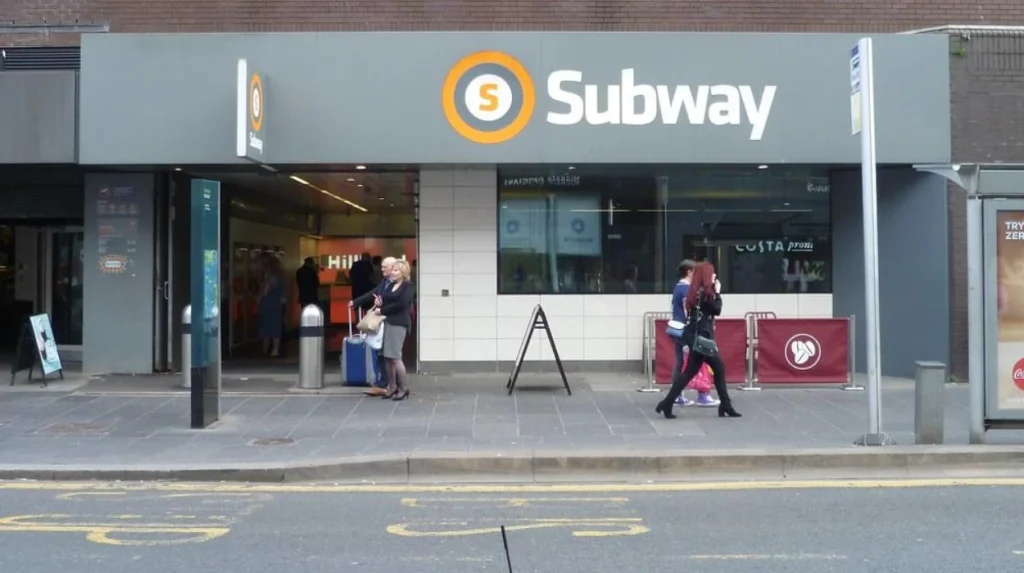
Kelvinbridge sits between the City Centre and West End. Its Subway station provides direct access to the wider Subway network.
SPT places Kelvinbridge station near Kelvingrove Park and other West End destinations. The station also has bicycle facilities.
The area benefits from proximity to Great Western Road. This corridor contains shops, cafés, restaurants and services.
Kelvinbridge also provides access to the University of Glasgow area and the West End. Walking routes connect residents with Kelvingrove Park and neighbouring districts.
For car-free residents, the main advantage is the combination of local walking opportunities and rapid public transport.
The Subway is especially useful for journeys towards Buchanan Street and St Enoch in the City Centre.
Is Glasgow City Centre the easiest area to live without a car?
Glasgow City Centre offers the highest concentration of transport connections and everyday destinations, including Glasgow Central, Queen Street, Buchanan Street Subway station and Buchanan Bus Station. Employment, shopping, entertainment, education and services are concentrated within a compact urban area.
The City Centre is the most transport-connected part of Glasgow.
Glasgow Central and Glasgow Queen Street provide major railway connections. Buchanan Bus Station serves bus journeys. Buchanan Street Subway station connects the City Centre directly with the Subway network.
SPT identifies Buchanan Street as being close to Queen Street Station and Buchanan Bus Station.
The City Centre also contains a high concentration of employment, retail and entertainment.
Argyle Street, Buchanan Street, Sauchiehall Street and Trongate form important commercial corridors.
The concentration of facilities makes short walking journeys practical. Residents can access shops, restaurants, cultural venues and workplaces without travelling to another part of the city.
City Centre living also benefits people who regularly travel outside Glasgow. Rail connections provide direct access to destinations across Scotland.
The principal consideration is that city-centre living places residents in a dense urban environment. Parking is less relevant when most daily destinations are reachable by walking and public transport.
Is Finnieston a good area for living without a car?
Finnieston works well without a car because it sits between Glasgow City Centre and the West End, with nearby rail and Subway connections, extensive local amenities and straightforward walking routes towards the Clyde, Kelvingrove and central Glasgow.
Finnieston occupies an important position west of Glasgow City Centre.
Argyle Street forms the main commercial spine. The neighbourhood has restaurants, cafés, shops and entertainment venues.
The area is also close to the River Clyde and major cultural destinations.
Kelvinhall and Partick Subway stations provide access to the Subway network. Exhibition Centre railway station provides an additional rail connection for the wider Finnieston area.
The proximity of multiple transport options helps residents make different types of journeys without a car.
A resident travelling into the City Centre can walk, cycle or use public transport. A resident travelling further west can connect with Partick and other West End districts.
Finnieston therefore benefits from its position between major Glasgow destinations rather than relying on one individual transport mode.
Is Shawlands a good Glasgow area without a car?
Shawlands provides strong car-free living in Glasgow’s south side because Shawlands has a substantial local centre, frequent bus connections, nearby railway stations and access to Queen’s Park. Local shopping and services reduce the need for regular journeys by car.
Shawlands is a major neighbourhood centre in Glasgow’s Southside.
The area is centred around Kilmarnock Road and Pollokshaws Road. These streets provide shops, cafés, restaurants, professional services and other local facilities.
Queen’s Park provides a major green space nearby. The park supports walking, recreation and outdoor activity.
Rail stations around the Southside provide connections towards Glasgow Central and other destinations. Bus services also connect Shawlands with central Glasgow and neighbouring areas.
Shawlands is different from Subway-focused neighbourhoods because the Southside does not have direct Subway coverage through Shawlands itself.
The area therefore works best for residents whose regular journeys fit the railway, bus and walking network.
Its strong local centre is an important part of its car-free appeal. Many everyday errands can be completed locally rather than requiring travel across Glasgow.
Is Dennistoun suitable for living in Glasgow without a car?
Dennistoun is suitable for car-free residents because it sits close to Glasgow City Centre, has a strong local high street, nearby railway connections and bus services, while Alexandra Park provides substantial green space for walking and recreation.
Dennistoun lies east of Glasgow City Centre.
Duke Street functions as the neighbourhood’s main commercial corridor. Local shops, cafés, restaurants and services support daily life.
Alexandra Park is one of the area’s major green spaces. It provides walking routes, open areas and recreational facilities.
Dennistoun also benefits from proximity to Glasgow Queen Street and other city-centre transport connections.
Rail services from nearby stations provide access to wider parts of Glasgow and Scotland.
Walking into the City Centre is also practical from many parts of Dennistoun.
This combination creates several alternatives to car travel. Residents can walk for short journeys, use buses for cross-city trips and use rail for longer journeys.
The neighbourhood is therefore well suited to people whose work, study and social activities centre on central and eastern Glasgow.
Which Glasgow West End areas work well without a car?
Glasgow’s West End contains several highly connected car-free neighbourhoods, including Partick, Hillhead, Kelvinbridge and Kelvinhall. These areas combine Subway stations with local shops, universities, parks, cultural venues and walking routes across the West End.
The West End benefits from the concentration of Subway stations.
The network includes Kelvinbridge, Hillhead, Kelvinhall and Partick. SPT describes the Subway as a key transport option for the City Centre and West End.
Each station serves a different cluster of destinations.
Partick connects rail, bus and Subway services.
Hillhead provides direct access to Byres Road, the University of Glasgow and Botanic Gardens.
Kelvinbridge connects to Kelvingrove Park and Great Western Road.
Kelvinhall serves Kelvingrove Museum and the wider West End.
This transport density makes the West End particularly practical for residents without private vehicles.
The neighbourhoods also have strong pedestrian links. Many destinations are close enough to combine walking with one public transport journey.
Which Glasgow areas are best for students without a car?
Students without cars often benefit from neighbourhoods close to universities, Subway stations, railway stations and local high streets. Hillhead, Partick, Kelvinbridge, City Centre and Dennistoun provide combinations of education access, public transport, shops, food outlets and social destinations.
Hillhead is particularly close to the University of Glasgow. SPT identifies the university among destinations near Hillhead Subway station.
Partick provides transport flexibility for students travelling between the West End and other Glasgow districts.
Kelvinbridge offers access to the university area and city centre through the Subway.
City Centre neighbourhoods place residents near Glasgow Caledonian University, the University of Strathclyde and City of Glasgow College. SPT identifies these education destinations around Buchanan Street Subway station.
Dennistoun provides another option east of the City Centre. Walking and bus connections link it with central education institutions.
For students, the most important factor is the distance between accommodation and the daily destination. A property close to a frequent transport connection can reduce travel time and simplify everyday journeys.
How does public transport make car-free Glasgow living practical?
Public transport makes car-free Glasgow living practical through the combined coverage of Subway, rail and bus services. The Subway provides rapid City Centre and West End connections, rail supports longer journeys, and buses cover neighbourhoods outside the fixed rail network.
The Subway provides a simple orbital system. Its 15 stations cover a large part of the City Centre and West End.
SPT states that Subway trains run every four minutes during peak periods and every six to eight minutes off peak. A full circuit takes approximately 24 minutes.
Rail services complement the Subway by connecting Glasgow with suburban districts and destinations elsewhere in Scotland.
Buses provide flexible coverage across neighbourhoods without direct Subway or railway access.
This creates a layered transport system.
A typical car-free journey can therefore involve walking from home to a bus stop, Subway station or railway station, followed by another short walk to the destination.
Glasgow’s transport network also includes major interchanges. Partick combines rail, bus and Subway services, while Buchanan provides a major city-centre bus interchange alongside rail and Subway connections nearby.
Can you cycle around Glasgow without owning a car?
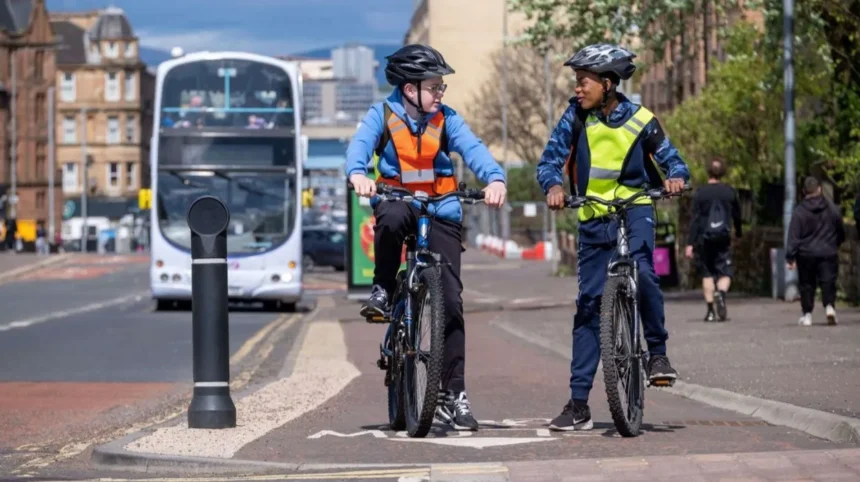
Cycling provides another car-free transport option in Glasgow, particularly for journeys between nearby neighbourhoods. Glasgow City Council supports active travel through walking and cycling infrastructure, community cycling programmes and transport behaviour initiatives across the city.
Cycling is useful when a destination sits outside a direct Subway or rail route.
Glasgow City Council’s transport programme includes active travel infrastructure and initiatives supporting walking, wheeling and cycling.
The city has also supported community cycling projects. These include programmes associated with Bike for Good, Nextbike and Cycling UK.
Cycling is particularly relevant between West End neighbourhoods, the City Centre and parts of the Southside.
A bicycle also extends the practical distance between a home and public transport station.
For residents without cars, cycling does not replace public transport. It complements it.
Walking and cycling are most effective for short local journeys. Subway, bus and rail remain important for longer cross-city travel.
What should you check before choosing a Glasgow area without a car?
Check the distance to the nearest transport stop, the frequency of services, walking access to shops and healthcare, journey time to work or study, access to green space and late-evening transport before choosing a Glasgow neighbourhood for car-free living.
A transport map alone does not determine whether a neighbourhood works without a car.
The first factor is the actual walking distance from a property to public transport.
The second factor is service frequency. A nearby stop with infrequent services provides less flexibility than a slightly further stop with regular departures.
The third factor is local amenities.
A neighbourhood becomes easier to manage without a car when supermarkets, pharmacies, GP services, cafés and other everyday facilities are nearby.
The fourth factor is the resident’s main destination.
Someone working in the City Centre has different requirements from someone studying at the University of Glasgow or working in the Southside.
The fifth factor is evening travel.
Subway operating hours vary by day. SPT currently lists Monday-to-Saturday Subway services from approximately 06:30 to 23:40, with shorter Sunday operating hours.
Residents should therefore check current timetables before relying on one transport mode for late journeys.
Accessibility is another consideration. SPT provides individual station access guides covering stairs, escalators and station layouts.
This is important for residents with mobility requirements, luggage, pushchairs or other access needs.
Explore More Area Guide
Best Glasgow Neighbourhoods for First-Time Renters
Historic Sloans Launches Immersive Dining in Glasgow 2026
Which Glasgow areas provide the strongest combination of walking and public transport?
Partick, Hillhead, Kelvinbridge, City Centre, Finnieston, Shawlands and Dennistoun each combine different levels of walking, bus, rail and Subway access. The strongest choice depends on the resident’s destination, preferred transport mode, local services and required journey frequency.
Partick has a major transport interchange.
Hillhead has direct Subway access and a dense West End environment.
Kelvinbridge combines Subway access with proximity to parks and Great Western Road.
The City Centre has the greatest concentration of major transport interchanges.
Finnieston sits between the City Centre and West End and benefits from several nearby transport options.
Shawlands has a strong local centre, bus services and railway connections.
Dennistoun provides access to the City Centre through walking, bus and rail options.
These neighbourhoods demonstrate an important principle of car-free Glasgow living. There is no single transport model for every district.
The most effective location is the one that aligns daily destinations with available transport.
How is Glasgow developing its future transport network for car-free travel?
Glasgow’s transport strategy continues to prioritise sustainable travel, walking, wheeling and cycling alongside public transport. Current programmes include active travel infrastructure, behaviour-change initiatives and community projects designed to increase sustainable travel across the city.
Glasgow City Council has continued transport programmes focused on sustainable travel and active travel infrastructure.
Its transport strategy identifies ongoing behaviour-change work alongside infrastructure improvements. The council also reports support for organisations and community networks that encourage walking, wheeling and cycling.
Glasgow’s earlier Active Travel Strategy also established sustainable transport and walking and cycling infrastructure as important policy priorities.
The long-term direction is relevant to residents choosing where to live.
Neighbourhoods with strong public transport and active travel connections already provide the foundations for car-free living. Continued investment in these systems supports their importance for future urban mobility.
For residents, the practical lesson remains location-based. Living near a transport interchange, local centre and everyday services reduces dependence on private vehicles.
Glasgow’s most practical car-free neighbourhoods therefore tend to be those where public transport, walking, cycling, employment, education, retail and recreation overlap.
Partick, Hillhead, Kelvinbridge, City Centre, Finnieston, Shawlands and Dennistoun demonstrate different versions of this model. Each provides a distinct combination of transport connections and local amenities.
For anyone planning to live in Glasgow without a car, the best starting point is a journey audit. Identify the regular destinations first, then compare neighbourhoods according to walking distance, public transport connections, service frequency and local amenities. This produces a more accurate assessment than choosing an area based only on its reputation or proximity to the City Centre.
What are the best areas in Glasgow to live without a car?
The best areas include Partick, Hillhead, Kelvinbridge, Glasgow City Centre, Finnieston, Shawlands and Dennistoun. These neighbourhoods have strong public transport, local shops, services and walking connections.