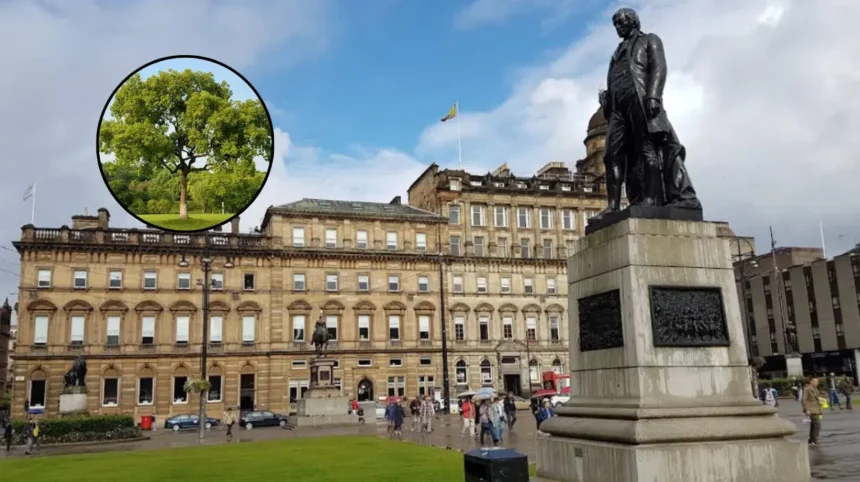
Key Points
- Nearly 30,000 trees were planted across Glasgow over the past year in a major local drive.
- The large-scale initiative forms a core part of the city’s ongoing efforts to tackle climate change and ecological emergencies.
- Municipal authorities, local partners, and community groups collaborated extensively to achieve this milestone.
- The drive focuses on expanding urban canopies, enhancing biodiversity, and improving local air quality.
Glasgow (Glasgow Express) September 24, 2026 — Nearly 30,000 trees were planted in Glasgow last year in a record-breaking effort aimed directly at tackling the escalating climate and ecological emergencies. The large-scale urban planting campaign marks a significant escalation in the city’s environmental strategy, reflecting coordinated partnerships between local authorities, environmental trusts, schools, and community volunteers dedicated to boosting local biodiversity and mitigating urban carbon footprints.
Why Are Local Authorities Prioritising Large-Scale Tree Planting Initiatives in Urban Areas?
Urban forestry has emerged as a central pillar in municipal strategies across the United Kingdom as local governments face mounting pressure to meet net-zero carbon targets. Environmental analysts note that increasing urban tree cover plays a critical role in capturing carbon dioxide, reducing the urban heat island effect, and managing surface water runoff during heavy rainfall events.
As reported by journalists covering municipal affairs, local administration representatives have repeatedly emphasised that expanding woodlands is essential for long-term ecological resilience. The strategy relies heavily on selecting appropriate species suited to local soil and climatic conditions, ensuring that newly established woodlands can withstand biological, chemical, and physical pressures over time.
How Do Community Partnerships and Volunteers Drive Municipal Environmental Success?
The success of Glasgow’s extensive planting season relies fundamentally on collective action, pulling together resources from a wide array of civic organisations. Local schools, neighbourhood associations, and conservation volunteers work alongside professional contractors to ensure saplings are properly positioned and maintained during their critical early establishment phases.
Industry experts frequently highlight that community-led conservation not only accelerates the physical labour required for massive planting targets but also fosters a deeper sense of environmental stewardship among residents. By involving families, children, and local businesses in greening projects, municipal authorities build lasting community backing for broader urban sustainability policies.
Background of the Particular Development
The push to plant nearly 30,000 trees in Glasgow builds upon years of incremental urban forestry commitments and regional strategies designed to combat climate change. Over recent years, local councils and environmental groups have scaled up planting schedules, transitioning from isolated greening projects to comprehensive, city-wide ecological networks. These initiatives align with broader Scottish and UK-wide frameworks intended to reverse biodiversity loss, expand native woodlands, and meet legally binding carbon reduction commitments. Historical data from local governance records indicate that maintaining these urban forests involves meticulous long-term planning, including protective measures against pests, diseases, and urban vandalism to safeguard public investments in nature.
How This Development Can Affect Residents and Local Communities
For the residents of Glasgow, the rapid expansion of the urban forest delivers tangible, long-term benefits to daily life and public health. An increased density of mature trees substantially improves local air quality by filtering particulate matter, provides crucial shade during warmer summer months, and enhances the aesthetic quality of neighbourhoods. Furthermore, expanded green spaces offer accessible recreational areas that support physical and mental well-being for local communities. Over time, these environmental enhancements contribute to more resilient urban ecosystems, directly protecting neighbourhoods from climate-related vulnerabilities while fostering a cleaner, healthier living environment for future generations.