Key Points
- Closure of Our Holy Redeemer: OHR Church in Clydebank has decided to close down, causing outrage and disappointment among many people from the parish community.
- Accusations of Negligence: According to campaigners, many years of negligence concerning maintenance have led to the decline and closure of the church.
- Transparency about Money Issues: Members of the church have asked for transparency about the finances, as there have been too many unexplained questions about the parish money, collection money, and the repair budget.
- Disruption of Community Life: The closure will mean an end to worship services, outreach programs, and sacramental celebrations in the church.
- Explanation of Financial Matters: Campaigners and members of the church have asked for a public disclosure from the regional archdiocese on how the money has been spent.
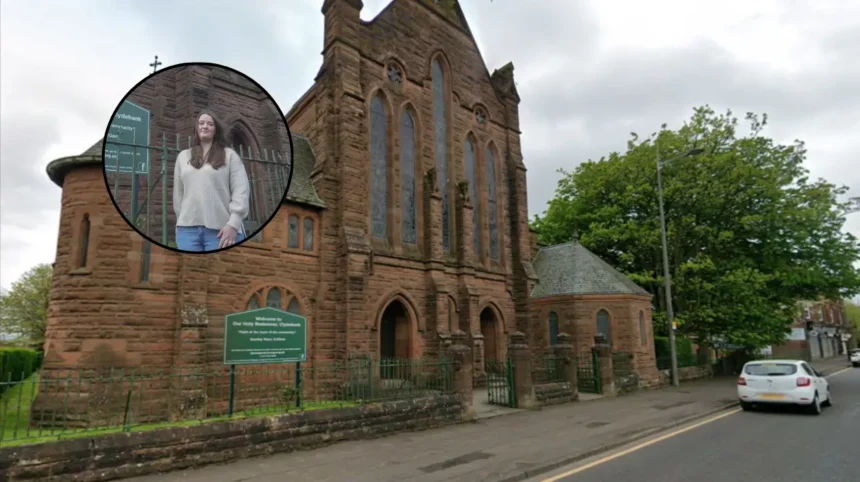
Clydebank (Glasgow Express) September 2, 2026 – Our Holy Redeemer (OHR) Church in Clydebank has officially closed its doors, triggering intense public anger, community protest, and urgent demands for institutional transparency. The closure of the historic place of worship follows what local campaigners describe as years of unaddressed structural deterioration and complete opacity regarding the parish’s financial management. Church members have expressed deep frustration over the decision, revealing that repeated queries concerning maintenance budgets and building conditions were ignored for extended periods. As reported by local journalists covering the development, the sudden lock-out has left a vibrant congregation without a regular place of worship, raising serious questions about the administrative oversight of the parish’s assets and long-term sustainability.
Parishioners gathered outside the premises following the announcement to voice their dismay at the loss of a facility that has served as both a spiritual sanctuary and a social anchor for generations. Campaigners fighting to save the church highlight that visible signs of disrepair were repeatedly brought to the attention of decision-makers, yet critical structural interventions were consistently delayed or neglected. According to statements gathered from local residents, the lack of communication from church administrators has exacerbated feelings of betrayal, with many demanding a full audit of funds raised specifically for the upkeep of Our Holy Redeemer.
Why Has Our Holy Redeemer Church Been Closed?
The decision to close Our Holy Redeemer Church comes after prolonged concern regarding the physical state of the building. Campaigners argue that the closure was not an inevitable outcome of natural wear and tear, but rather the result of sustained neglect. For several years, congregation members raised flags about deteriorating masonry, roof leaks, and interior water damage. However, despite these warnings, necessary restoration work was repeatedly deferred.
The lack of preventive maintenance led to progressive structural degradation, eventually rendering parts of the building unsafe for public assembly. Churchgoers assert that had routine repairs been carried out when issues were first identified, the current crisis could have been entirely avoided. The eventual decision to shutter the building was delivered to the congregation with minimal notice, prompting accusations that administrative mismanagement allowed the facility to reach a state of crisis.
What Financial Questions Are Campaigners Asking?
Central to the growing anger among parish members is the issue of financial accountability. Campaigners report that for years, questions surrounding the allocation of parish funds, weekly collections, and dedicated restoration donations have gone unanswered. Members of the community claim that significant sums were raised internally with the explicit expectation that the money would be re-invested into preserving the physical structure of the church.
Despite these fundraising efforts, parishioners state that no detailed breakdown of expenditure or maintenance accounts was made available to the public or the congregation. The absence of clear financial reporting has fuelled speculation and resentment, with campaigners openly questioning where the collected funds were redirected. The primary demand from the local community is an immediate, transparent disclosure of all financial records relating to Our Holy Redeemer over the past decade.
How Has the Local Community Reacted to the Closure?
The reaction from the Clydebank community has been marked by widespread disbelief and anger. Our Holy Redeemer has long functioned as more than just a site for Sunday services; it served as a central venue for baptisms, weddings, funerals, and various charitable outreach initiatives. The sudden cessation of operations has disrupted these vital social functions and left many vulnerable parishioners feeling isolated.
Local campaigners have organised public gatherings and social media campaigns to highlight what they describe as a profound breach of trust between church authorities and the local community. Long-standing members of the congregation have expressed distress over losing a site linked to major milestones in their family histories. The sentiment among the public remains overwhelmingly critical of the handling of the situation, with calls growing louder for external intervention or an independent review of the closure decision.
Explore More Clydebank News
Channel 4 Features Clydebank Marine Engineer Darren Kenny: West Dunbartonshire 2026
Red Wing GP Practice Appointments Restart After IT Issue, Clydebank 2026
Background of the Closure of Our Holy Redeemer Church
Our Holy Redeemer Church has historically served as an integral spiritual and social landmark in Clydebank, catering to a sizable congregation and hosting numerous community groups. Over the past two decades, many ecclesiastical institutions across Scotland have faced mounting challenges associated with declining attendance numbers, rising operational costs, and the substantial financial burden of maintaining older, heritage-listed structures.
In many instances, regional dioceses have been forced to consolidate parishes, reallocate resources, or decommission buildings that require extensive capital expenditure. However, the situation at Our Holy Redeemer differs significantly due to the specific allegations raised by its community. Rather than accepting the closure as an unavoidable outcome of wider demographic or economic trends, the Clydebank congregation maintains that local administrative decisions, deliberate delays in essential repairs, and a persistent failure to communicate openly with parishioners directly caused the church’s premature downfall.
Prediction: How This Development Will Affect the Local Parishioners and the Wider Community
The closure of Our Holy Redeemer Church is poised to have lasting repercussions for both the immediate congregation and the broader Clydebank community. In the short term, parishioners will be forced to disperse to neighboring parishes to attend mass and receive sacraments, placing additional logistical strain on elderly or mobility-impaired churchgoers who rely on localized, accessible services. This displacement risks eroding the strong sense of local cohesion that has defined the parish for decades.
Over the longer term, the dispute is likely to deepen the rift between the local community and ecclesiastical administrators. If the demands for financial transparency and a comprehensive explanation of maintenance allocations remain unaddressed, institutional trust will continue to deteriorate, potentially impacting future charitable giving and community participation across the region. Additionally, the abandonment of a prominent physical asset raises concerns regarding the physical urban landscape of Clydebank, with the risk that the vacant building could fall into further disrepair, becoming an eyesore or a target for vandalism unless a clear repurposing or restoration plan is established.