
Key Points
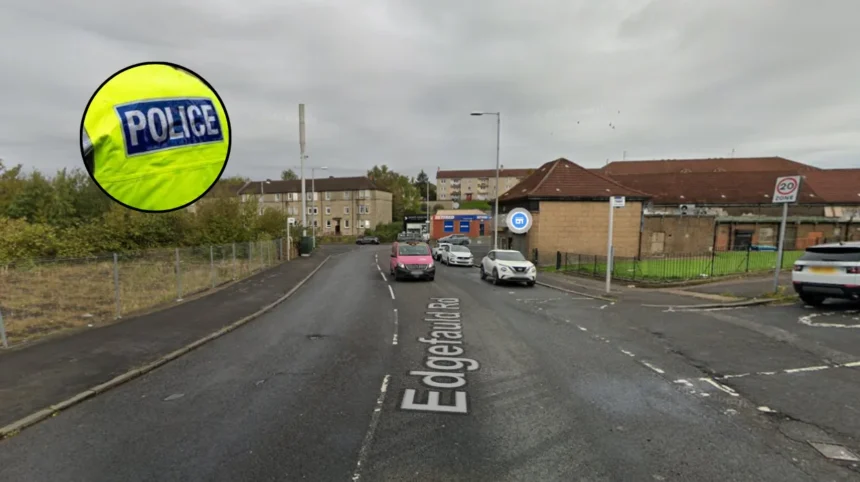
- Incident Location: Emergency service crews converged on a residential property located on Lenzie Terrace in the Springburn area of North Glasgow.
- Timing of the Response: The initial emergency alert was raised at approximately 15:30 BST on Sunday, 31 May 2026.
- Mass Evacuation: Police Scotland implemented a precautionary evacuation of adjacent and nearby properties to guarantee public safety.
- Specialist Units Deployed: The Scottish Fire and Rescue Service (SFRS) dispatched three standard fire appliances alongside a highly specialised hazardous environmental unit to the scene.
- Area Cordoned Off: Law enforcement officers established a strict containment perimeter, locking down the residential street and advising the general public to avoid the area entirely.
- Criminal Charges Filed: A 26-year-old woman was subsequently arrested and formally charged by authorities in connection with culpable and reckless conduct.
- Site Handover: Fire and rescue personnel conducted multi-agency safety checks before clearing the scene on Monday morning, 1 June 2026, leaving police officers to manage the continuing inquiry.
Glasgow (Glasgow Express) June 1, 2026 – A multi-agency emergency response was triggered in North Glasgow yesterday afternoon following a serious chemical incident within a residential property, resulting in the immediate evacuation of local households, a full street lockdown, and the subsequent arrest of a 26-year-old woman. Police Scotland, working alongside specialist environmental units from the Scottish Fire and Rescue Service, established a security cordon around Lenzie Terrace in Springburn after the initial emergency call was logged at approximately 15:30 on Sunday, 31 May 2026. Residents inside the containment zone were ordered to remain indoors or vacate their properties immediately as emergency responders dressed in specialized chemical protective suits entered the building to identify and neutralise the unknown chemical hazard.
- Key Points
- What Happened During the Lenzie Terrace Chemical Incident?
- How Did Local Residents React to the Sudden Street Lockdown?
- What Official Statements Were Released by Police Scotland and Fire Services?
- Who Was Arrested and What are the Legal Charges?
- Background of the Particular Development
- Prediction: How This Development Can Affect the Particular Audience
- Heightened Community Vigilance and Legal Precedents
The operation continued late into Sunday night and extended into Monday morning, forcing displaced families to seek temporary shelter while forensic experts and environmental safety teams assessed the atmospheric conditions inside the building.
Authorities have confirmed that the immediate threat to the wider public has been mitigated, allowing fire crews to withdraw from the site. However, a police presence remains on Lenzie Terrace to oversee the integrity of the property and continue a thorough criminal investigation.
What Happened During the Lenzie Terrace Chemical Incident?
The emergency response materialised swiftly following an urgent call regarding the safety of an individual and the presence of dangerous substances inside a flat.
According to detailed local reporting by Ryan Carroll, a news reporter for the Daily Record, emergency services raced to the Springburn area immediately after the alarm was raised. Police vehicles, ambulances, and fire engines quickly mobilised, bringing specialized equipment to handle potential biohazards or volatile chemical components.
As reported by Ryan Carroll of the Daily Record, a section of the street was quickly cordoned off as ambulance and fire crews were called to assist, and nearby homes were evacuated. Visual evidence obtained from the scene underscored the scale of the deployment.
A picture shared with the publication and captured by photojournalist Connor Donnelly showed an extensive emergency response, with multiple emergency vehicles blocking the thoroughfare and a visible perimeter preventing unauthorized access.
Furthermore, as documented in the Daily Record coverage, the area could be seen sealed off, with crews in bright yellow protective hazmat (hazardous materials) suits seen heading into a block of flats.
These specialist teams are trained to operate inside environments compromised by chemical spills, toxic gas leaks, or illicit manufacturing materials, ensuring that any volatile substances are contained before they can spread into communal ventilation systems or public drainage.
How Did Local Residents React to the Sudden Street Lockdown?
The sudden arrival of emergency services and the implementation of a strict safety perimeter caused immediate disruption and anxiety among the local population. Because the incident developed rapidly on a Sunday afternoon, many families were inside their homes when the containment procedures began.
As reported by multimedia journalist Alasdair Ferguson of The National, the emergency services arrived at the property on Lenzie Terrace after being alerted to the ongoing chemical hazard at around 15:30. Nearby properties were systematically cleared by officers knocking door-to-door, enforcing a strict safety protocol to avoid any potential exposure to toxic fumes or flammable materials.
The psychological impact on the neighborhood was palpable. As reported by Ryan Carroll of the Daily Record, locals were left shocked after the incident unfolded, with some revealing they had been told they could not leave their homes due to the outdoor containment zone.
An unnamed local resident who spoke directly to reporters descriptive of the lockdown stated:
“The street is completely blocked off and some of us aren’t even allowed to leave the house.”
For those caught outside the cordon when returning home, the situation required immediate administrative intervention from police officers managing the perimeter line.
What Official Statements Were Released by Police Scotland and Fire Services?
In the hours following the initial lockdown, official agencies sought to keep the public informed while maintaining operational security around the active scene.
Police Scotland issued clear directives to the civilian population to ensure that spectators did not impede the movement of emergency vehicles or compromise the safety perimeter.
As reported by Donald Erskine, a reporter for the Glasgow Times, a Police Scotland spokesperson released an official statement detailing the parameters of the operation, confirming:
“Emergency services are in attendance at a chemical incident at a property on Lenzie Terrace in Glasgow, which was reported around 3.30pm on Sunday, 31 May, 2026.”
The spokesperson further clarified the safety measures by stating:
“Nearby properties have been evacuated as a precaution, and the public is asked to avoid the area. Anyone who requires assistance can approach officers at the scene or call Police Scotland on 101, quoting incident number 1991 of 31 May, 2026.”
The containment and decontamination infrastructure required substantial resources from regional fire departments. Matthew Fulton of STV News reported that the Scottish Fire and Rescue Service confirmed the deployment of physical assets to support the police operation. The fire service stated that it had committed three standard fire appliances alongside a dedicated specialist environmental unit to the scene.
The specialist unit remained on-site to conduct chemical testing, atmospheric monitoring, and controlled ventilation procedures until the risk metrics dropped below hazardous thresholds. The fire service subsequently confirmed that all its assets had successfully left the area by Monday morning, handing full control of the property back to law enforcement.
Who Was Arrested and What are the Legal Charges?
As the technical teams neutralised the physical threat within the property, the focus of the emergency operation shifted toward a criminal investigation. Police Scotland detectives evaluated the actions that led to the chemical release and determined that the threshold for criminal negligence and public endangerment had been met.
According to an official update published by the Police Scotland corporate communications bureau on 1 June 2026, a definitive legal action has been taken against an individual residing at the address.
The official police report stated that a 26-year-old woman has been arrested and formally charged in connection with culpable and reckless conduct following the incident on Lenzie Terrace.
Under Scots law, a charge of culpable and reckless conduct applies to actions that show a complete disregard for the safety of the public, creating an immediate risk of injury or death, regardless of whether a specific injury occurred.
The individual is expected to appear at Glasgow Sheriff Court, and a full report detailing the evidence collected by forensic teams will be submitted directly to the Procurator Fiscal.
Background of the Particular Development
To understand the broader context of this emergency response, it is necessary to examine how emergency protocols regarding hazardous materials have evolved within urban Scotland.
Chemical incidents in high-density residential buildings, such as the tenements and apartment blocks found in Springburn, represent a significant operational challenge for modern emergency services.
In recent years, Scottish emergency services have updated their Joint Emergency Services Interoperability Principles (JESIP). These protocols dictate how the police, fire, and ambulance services share risk information during a hazardous materials event.
The presence of hazmat-suited crews and the immediate evacuation of adjacent properties are standard components of the updated “Operation Plato” and standard chemical, biological, radiological, and nuclear (CBRN) defensive playbooks.
Historically, Springburn has transitioned from an industrial manufacturing hub into a densely populated residential suburb of North Glasgow. Many properties in this sector feature interconnected structural designs, meaning that an atmospheric or chemical contaminant in one flat can easily migrate into neighboring homes through shared chimney breasts, floorboards, or common closes.
Because of this structural vulnerability, modern tactical commanders routinely opt for rapid, wide-scale evacuations rather than risk exposing civilian populations to unknown toxic compounds while testing is underway. The response on Lenzie Terrace shows the modern methodology of deploying overwhelming specialist resources early to prevent a localized domestic incident from escalating into a wider municipal disaster.
Prediction: How This Development Can Affect the Particular Audience
This chemical incident and its subsequent legal resolution will likely have several tangible impacts on the local residents of Springburn and the broader Glasgow community.
For the immediate residents of Lenzie Terrace and the surrounding streets, this development will likely lead to heightened scrutiny regarding residential safety inspections.
Property owners and housing associations within North Glasgow may face pressure to review their tenant policies regarding the storage of industrial or non-domestic chemicals inside residential flats.
Additionally, the local community could experience a temporary fluctuation in contents and building insurance premiums. Insurance underwriters frequently adjust geographical risk ratings following recorded chemical or hazardous material incidents in multi-family dwellings, meaning neighbors who had no involvement in the incident could see increased costs.
Heightened Community Vigilance and Legal Precedents
The formal charging of a individual with culpable and reckless conduct sets a clear message across the municipal audience regarding the legal consequences of handling hazardous materials in a residential zone. This will likely cause a rise in community-led reporting, where tenants in similar blocks may become more vigilant and more likely to report unusual odours, suspicious chemical deliveries, or unauthorized domestic laboratories to Police Scotland.