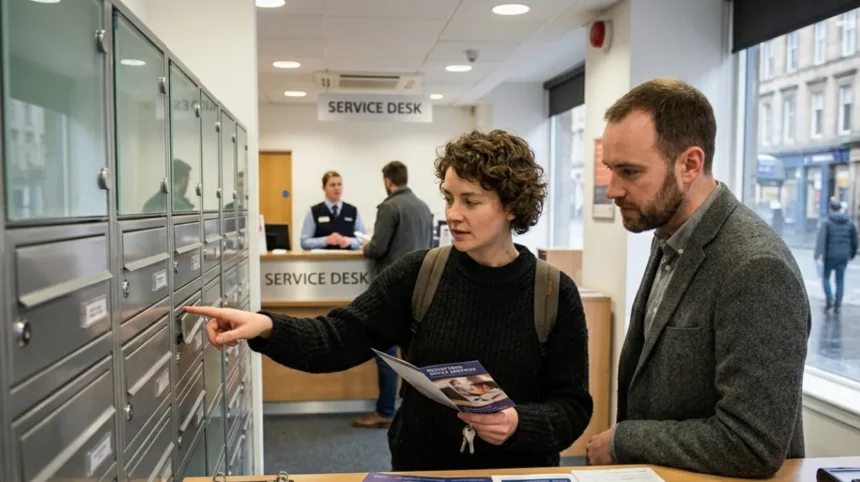
Glasgow locals choose mailbox and mail-handling services by comparing location, security, privacy, collection access, forwarding, scanning, price, and whether the address meets UK company rules for a registered office. In practice, the best option is the one that matches how often mail arrives, how fast it must be collected, and whether the address is for personal privacy or business use.
- What does a mailbox service in Glasgow include?
- Why do locals choose these options?
- How do people compare Glasgow providers?
- What legal rules apply in the UK?
- Which features matter most?
- How do personal and business users differ?
- What does a good Glasgow address look like?
- What trends shape future choices?
- How should a local decide?
What does a mailbox service in Glasgow include?
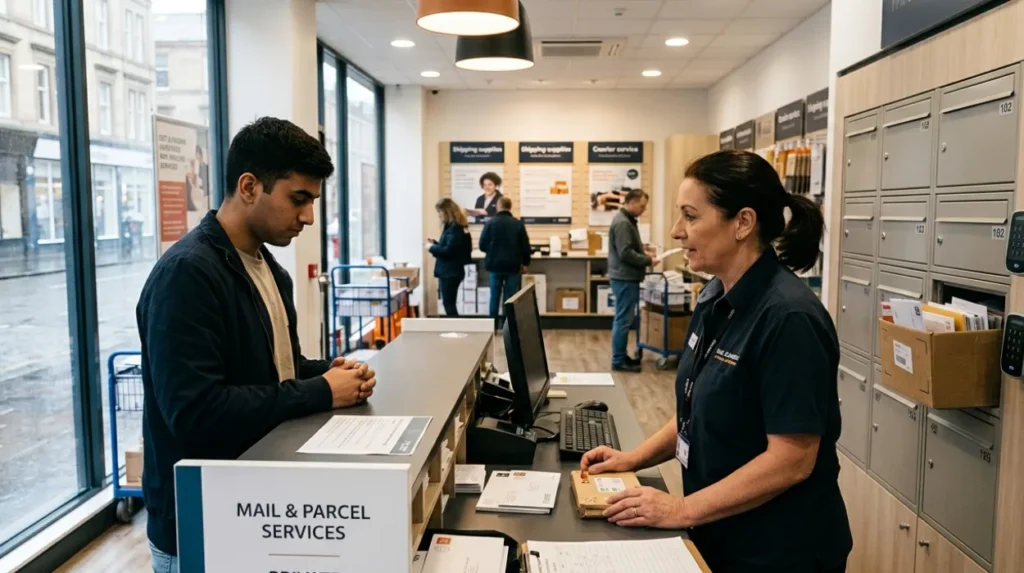
A Glasgow mailbox service gives a person or business a secure address for receiving mail and parcels, plus optional collection, forwarding, scanning, and registered-office support. The service is used by residents, students, traders, and companies that want privacy, a central city address, or more reliable handling than a home letterbox. Mail Boxes Etc. Glasgow City describes mailbox and virtual office services as more than an address, with options for business mail, parcel reception, and forwarding. City Mailboxes describes mailbox rental with secure access, collection seven days a week, and added storage and privacy benefits.
A mailbox service solves three common Glasgow needs. First, it keeps home addresses private. Second, it gives a fixed place for mail when someone moves often. Third, it supports business credibility with a city-centre address. That mix matters in a city with dense residential areas, busy student housing, and many small firms operating from home or shared spaces.
In Glasgow, “mailbox” often means a private, staffed, or key-fob-access address rather than a simple post box. Some providers also bundle print, courier, and parcel services. That wider service range changes how locals choose, because the address itself becomes part of a practical delivery system, not just a place to receive letters.
Why do locals choose these options?
Locals choose mailbox options to protect privacy, avoid missed deliveries, support business registration, and use a central Glasgow address that is easier to manage than a home address. These choices reflect convenience, compliance, and trust, not branding alone. The UK government states that a company’s registered office must be a physical UK address in the correct country, and it must be able to receive post and confirm delivery.
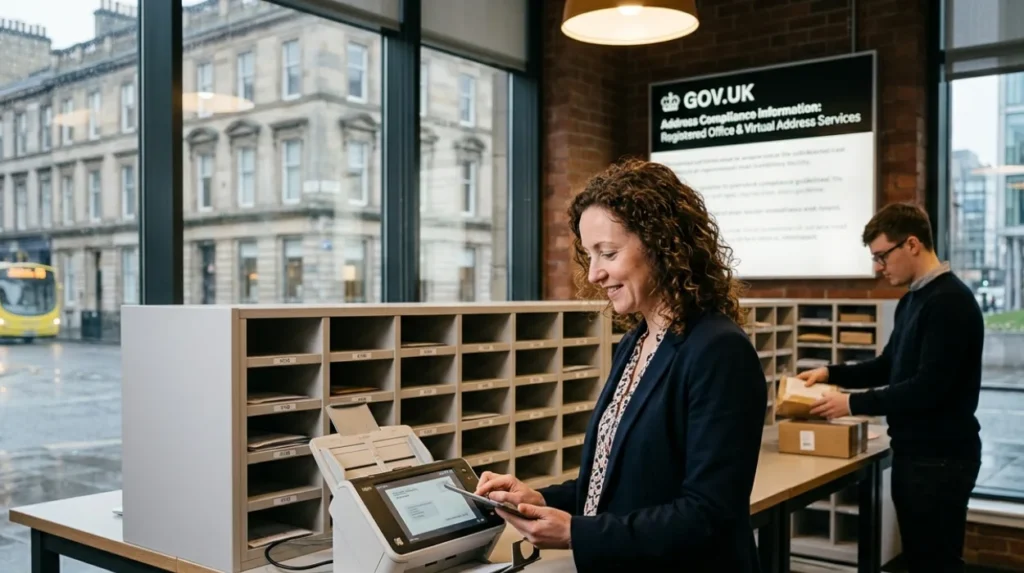
Privacy is one of the strongest drivers. GOV.UK explains that a registered office address is publicly available on the online register, so people who do not want a home address published need another compliant address. That makes a mailbox or virtual office service attractive for sole traders, directors, and family businesses that work from home.
Reliability is another factor. Glasgow providers market secure collection, forwarding, and scanned mail so users do not miss letters when travelling or working irregular hours. For many locals, the best option is the one that reduces mail loss, missed parcels, and repeated address changes after a move.
Business image also matters. City-centre addresses such as West George Street or other central locations signal a professional base for invoices, website contact details, and company paperwork. For small firms, that can be more useful than a low-cost PO Box style setup.
How do people compare Glasgow providers?
Locals compare providers by checking access hours, street location, security, forwarding options, collection rules, and monthly or annual price. They also check whether the address can be used as a registered office or only as a mailing address. City Mailboxes lists mailbox rental from £24.99 per month and says collection is available seven days a week, which shows how price and access shape decisions.
Location is usually the first filter. A central address near Glasgow city centre suits office workers, commuters, and businesses that need a recognisable business district. A less central address can still work if the provider offers mail forwarding or scanning, but locals usually weigh convenience against travel time.
Security is the next filter. Some services use key-fob access and secure storage, while others rely on staffed reception and controlled handover. Locals often choose the option that fits their risk level, especially if they receive bank letters, legal notices, or client documents.
Service depth matters too. MBE Glasgow City advertises secure mailboxes, worldwide mail forwarding, parcel receiving, and free fax receiving, while other providers emphasise scanning and personal collection. A user with frequent parcels values parcel handling. A user with mostly letters values scan-and-forward.
What legal rules apply in the UK?
The main legal rule is that a registered office must be a real UK address in the correct jurisdiction, and it must be able to receive official post. A Royal Mail PO Box cannot be used as a registered office address. GOV.UK also states that the address must be appropriate for confirming delivery and ensuring someone is aware of the post.
This rule matters for Glasgow businesses because Scotland-registered companies need a registered office in Scotland. A business owner who wants privacy cannot simply hide behind a PO Box. They need a compliant physical address or an appointed agent who provides one.
This is also why some mailbox services market “registered company address” solutions separately from standard mailbox rental. The difference is legal function. A mailbox can be for receiving post. A registered office address must satisfy company law requirements and handle formal correspondence reliably.
Recent UK company law changes have also increased the focus on protecting personal information on the register. Government guidance notes that from January 2025 and July 2025, new suppression options apply to some historical personal information. That makes privacy-conscious address selection even more relevant for local business owners.
Which features matter most?
The most important features are collection access, forwarding speed, scanning, parcel handling, privacy protection, and whether the address works for company registration. Glasgow users rank these features differently depending on whether they need personal mail, business mail, or a public-facing company address. City Mailboxes says its service offers secure access, 7-day collection, and fixed mailbox options.
Collection access matters for people who want to pick up mail in person on a commute or lunch break. MBE Glasgow City says city workers can collect mail during lunch breaks and that the location serves business users, students, and city shoppers. That makes central access a practical advantage for many Glasgow residents.
Scanning matters for remote workers and frequent travellers. A provider that scans mail quickly allows a user to read time-sensitive letters without visiting the office. Forwarding matters when the recipient is outside Glasgow or changes location often. Parcel handling matters for e-commerce sellers and people receiving documents or goods from outside the UK.
Price matters, but only after the service meets the legal and practical need. Some services advertise rates from £2.90 a week or £10 per month, while others sit at around £24.99 per month or higher depending on mailbox size and service level. A cheap address that fails on collection, privacy, or compliance stops being a good value.
How do personal and business users differ?
Personal users usually want privacy, local convenience, and safe receipt of letters and parcels, while business users want a credible address, registered-office compliance, and dependable handling of official mail. The same Glasgow provider can serve both groups, but the decision criteria differ. MBE Glasgow City explicitly serves personal users and business users, including virtual office and registered company address services.
Personal users often need a stable address during a move, relationship change, or period of shared accommodation. A mailbox helps them avoid giving a home address to employers, online sellers, and service providers. Students and short-term renters also use mailbox services when local housing changes frequently.
Business users focus on credibility and compliance. GOV.UK requires a proper registered office for limited companies, and that address must be able to receive post and confirm delivery. A Glasgow company that works from home often chooses a city-centre mailbox or virtual office to keep a private home address off public records.
The strongest business setups usually combine several services. A firm uses the mailbox for post, the registered-office address for legal recordkeeping, and scanning or forwarding for speed. That combination is common in small agencies, consultants, online retailers, and startup founders operating from Glasgow.
What does a good Glasgow address look like?
A good Glasgow address is a real street address in a practical location, with reliable access, clear mail handling, and a provider that states whether the address supports registered-office use. Central addresses such as Glasgow city centre carry higher convenience and credibility than remote collection points. MBE Glasgow City lists 111 West George Street, Glasgow G2 1QX, as its central location, while other providers promote Glasgow city-centre addresses for business use.
The address should be easy to reach by transport or on foot. Glasgow’s central post and mailbox locations appeal to commuters because they sit near major stations and the city core. That matters for people who want same-day collection or regular face-to-face access.
The address should also match the user’s purpose. A personal mailing address does not need the same compliance features as a registered office. A registered office does need formal delivery handling, because official documents from HMRC or Companies House cannot be missed. That distinction stops people from choosing on price alone.
Finally, the address should be supported by a provider with clear business details, service hours, and contact channels. Good providers publish opening times, collection rules, and contact options so users know exactly how the service works. That transparency is a strong sign of operational reliability.
What trends shape future choices?
Future choices in Glasgow will keep moving toward privacy, flexible access, and digital mail handling, because more people work remotely and more businesses want public-address protection. Regulatory pressure and public-register visibility also push users toward compliant mailbox and virtual-office services. GOV.UK’s address rules and register transparency keep compliance central to the decision.
Demand for scan-and-forward services is rising because users want fast digital access to paper mail. That fits freelancers, hybrid workers, and small firms that do not want daily trips to an office. It also fits the city’s practical rhythm, where commuting time has a real cost.
Glasgow providers are responding by offering more than a mailbox. They add parcel handling, registered office support, printing, reception services, and collection options. The result is a service category that behaves less like storage and more like postal infrastructure for modern city life.
For locals, the smartest long-term choice is the one that remains useful after a move, a company change, or a change in working pattern. That means a proper physical address, clear service terms, privacy protection, and reliable access. Those factors keep the service useful even when the person’s situation changes.
How should a local decide?
A Glasgow resident should choose the option that best fits the purpose of the address, then confirm the provider’s security, access, pricing, and legal status. The best choice is the one that works for regular mail, official post, and future changes without forcing repeated address updates. GOV.UK rules make the legal purpose clear for company addresses, and Glasgow providers show how different service levels match different needs.
A simple decision process works well. First, identify whether the need is personal mail, business mail, or registered-office compliance. Second, check the physical location and opening hours. Third, compare forwarding, scanning, and collection rules. Fourth, review monthly cost and contract terms.
For many Glasgow locals, the best fit is a central city mailbox with secure access and optional forwarding. For businesses, the best fit is usually a registered office service that also supports business mail. For personal users, the best fit is a private mailing address with easy collection and strong privacy handling.
What is a mailbox service in Glasgow?
A mailbox service gives you a secure mailing address in Glasgow where you can receive letters and parcels instead of using your home address.