Key Points
- A Glasgow man has condemned a section of Alexandra Parade in the city’s east end as “serious danger” because of multiple long‑standing potholes, cracks and a pronounced bump on the road.
- The resident, who asked not to be named, told Glasgow Live that drivers are forced to swerve to avoid the defects, risking damage to vehicles or causing accidents.
- He described a “nasty” bump on Alexandra Parade near the junction with Wishart Street, which he said has been present for “months” and is now deteriorating further.
- When Glasgow Live visited the scene, reporters observed a large pothole near the Wishart Street junction followed by a sunken patch that creates the bump, underscored by surrounding cracks and uneven surfacing.
- The defects lie on a busy through‑route used by cars, buses and pedestrians in Dennistoun, raising concerns about safety and the council’s response time to repairs.
Alexandra (Glasgow Express) April 25, 2026 Dennistoun, Glasgow – A Glasgow man has branded Alexandra Parade in the city’s east end as a “serious danger” to drivers and pedestrians, after a string of potholes, cracks and a “vicious bump” have remained unrepaired for months. As reported by Glasgow Live, the local resident, who wished to remain anonymous, told the outlet:
- Key Points
- Why is Alexandra Parade described as dangerous?
- What does the site inspection show?
- How are local drivers and residents reacting?
- What is the wider context of Glasgow’s road conditions?
- Is any formal work or closure linked to this stretch?
- Background of the development
- How this development can affect the particular audience
“You have to make a choice. Damage your car to the cost of hundreds or risk causing an accident trying to avoid it.”
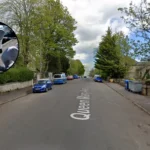
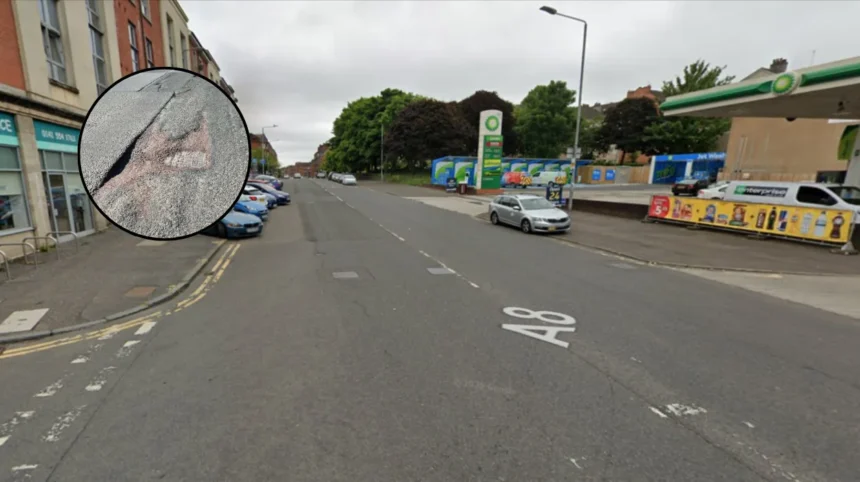
The man’s remarks follow a ground‑level inspection by Glasgow Live, which identified a large pothole near the junction of Alexandra Parade and Wishart Street, immediately followed by a sunken patch that contributes to a sharp bump on the carriageway.
The area also shows multiple cracks and uneven surfacing, which the resident said has forced motorists to swerve rather than brake suddenly, especially in busier traffic.
Why is Alexandra Parade described as dangerous?
The unnamed Glasgow man explained that the defects have been present on Alexandra Parade for several months and that the road has not been resurfaced or patched in that time.
As he put it to Glasgow Live, drivers either “take the hit” and ride over the pothole and bump, risking damage to tyres, suspension and wheels, or attempt to dodge them, which can lead to loss of control or collisions.
He stressed that the bump is particularly “vicious” because it is not immediately obvious at higher speeds, and the combination of a sunken patch and a protruding edge creates a jolt that can unsettle vehicles.
The resident said this has happened repeatedly on his own car, and he has witnessed at least one near‑miss where another driver sharply veered away from the worst‑affected area.
What does the site inspection show?
When Glasgow Live inspected the scene, reporters observed a deep pothole positioned close to the junction with Wishart Street, where vehicles often slow or manoeuvre into and out of side roads.
Just beyond that, the road surface dips into a sunken patch, which then forms a raised bump as the surface levels out again.
This sequence creates a classic “double‑impact” effect: first a dip into the sunken area, then a sharp rise over the bump.
The surrounding tarmac also shows a network of cracks and spalling, suggesting the structural integrity of that section of Alexandra Parade has degraded over time.
The condition is visible not only on the main carriageway but along the edges where the road meets the kerb, indicating repeated stress from vehicles tracking around the damaged area.
How are local drivers and residents reacting?
The Dennistoun resident did not claim to be the only person concerned about the road’s state. He told Glasgow Live that neighbours and regular commuters along Alexandra Parade have also complained about the potholes and the bump, but he has yet to see any sign of repairs or formal works being carried out.
Locals he spoke with described the section near the Wishart Street junction as one of the worst‑maintained stretches on this east‑end route, even though traffic volumes remain high throughout the day. Buses using the corridor pass over the damaged area repeatedly, which the resident said
“only adds to the wear and makes the pothole worse rather than better.”
What is the wider context of Glasgow’s road conditions?
The complaint about Alexandra Parade feeds into broader concerns about the condition of Glasgow’s roads, which have been the subject of local commentary and social‑media discussion for some time. In recent posts, other Glasgow residents and motorists have pointed to “ridiculous” numbers of potholes across the city, with one user on a Glasgow‑focused Facebook page describing the quality of carriageways as “shambolic.”
Meanwhile, Glasgow City Council’s own council‑supported reporting platforms, such as FixMyStreet, show that dozens of pothole and surface‑defect reports have been logged across the city in recent months, indicating that Alexandra Parade is not an isolated case.
In neighbouring areas, councillors and community groups have repeatedly called for faster repairs and more proactive resurfacing programmes to prevent minor defects from worsening.
Is any formal work or closure linked to this stretch?
Glasgow Live reported that no active repair crews or road‑closure notices were visible at the time of inspection on the affected section of Alexandra Parade, although the junction with Wishart Street has previously been closed for other reasons.
In earlier coverage, local outlets noted that Alexandra Parade and Wishart Street were closed to through traffic around the Glasgow Royal Infirmary area when roof panels from the maternity hospital were dislodged, with limited access allowed only for essential vehicles.
However, the current defects described by the Dennistoun resident are not connected to that earlier closure, and the potholes and bump appear to stem from long‑term wear and weathering rather than a single incident. The man told Glasgow Live he did not know whether a formal complaint about the road surface had already been lodged with the local authority, but he said he and other drivers feel
“left to deal with the damage themselves.”
Background of the development
The concerns raised over Alexandra Parade sit within a longer‑running debate about urban road maintenance in Glasgow. In recent years, residents and local councillors have highlighted an increase in potholes and surface defects, particularly on busy arterial routes running through Dennistoun, the city centre and surrounding suburbs.
These defects are often attributed to a combination of heavy traffic, older sub‑base materials, freeze‑thaw cycles in winter and gaps in resurfacing schedules. FixMyStreet data for Glasgow shows that residents regularly log multiple potholes per road, with some streets accumulating dozens of reports before receiving repairs.
Alexandra Parade, as a key east‑end corridor linking Dennistoun to central areas, has featured in similar discussions about the pace and prioritisation of road‑maintenance work.
In parallel, transport‑focused social‑media accounts and local news updates have pointed to the number of potholes being filled city‑wide in recent months, with tens of thousands of repairs recorded in the three‑month period from December to February.
Despite that, residents continue to report “new” or “re‑appearing” potholes on roads like Alexandra Parade, which fuels the perception that preventative resurfacing is not keeping up with deterioration.
How this development can affect the particular audience
For Glasgow motorists and frequent users of Alexandra Parade, the ongoing defects raise the risk of vehicle damage, higher repair costs and potential accidents, especially during darker or wetter conditions when the full extent of the pothole and bump may be harder to see. Drivers who regularly use Dennistoun routes may find themselves rerouting or slowing abruptly, which can increase congestion and travel time along an already busy corridor.
For local residents and pedestrians, the deterioration of the road surface means uneven kerbs and gutter edges, which can pose tripping hazards and complicate access for people with mobility issues. The lack of visible repair work, despite months of complaints, may also affect public confidence in how quickly authorities respond to infrastructure‑safety concerns, particularly on routes that serve schools, hospitals and community hubs in the east end.