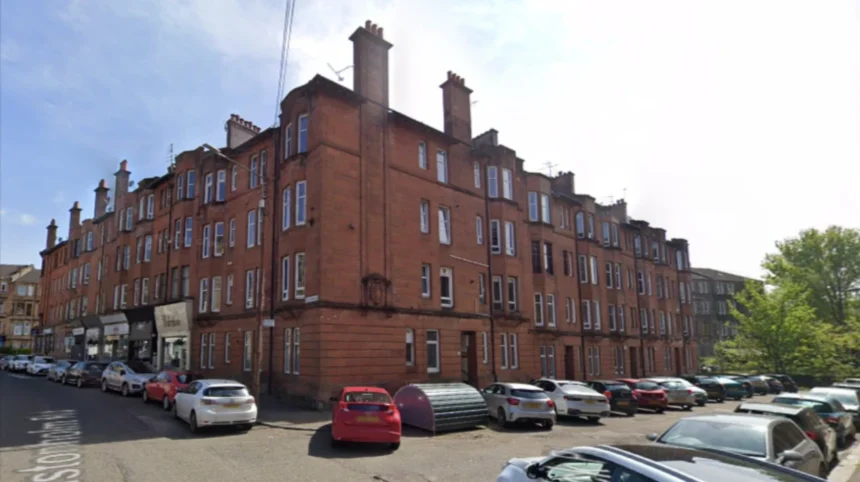
Glasgow is undergoing a sustained housing‑market shift toward compact, amenity‑rich neighbourhoods on the city’s south side, and Shawlands is now one of the standout areas in that trend. The area sits within the Glasgow postcode zone G41 and G42, around 3–4 km south‑southeast of the city centre, and is increasingly chosen by families, young professionals, students, and buy‑to‑let investors looking for a balance of style, affordability, and lifestyle. The area is centred around Shawlands Road and the surrounding streets, with strong transport links and access to major parks and cultural venues.
- What makes Shawlands attractive to live in?
- What is the housing market and price trend in Shawlands?
- How does Shawlands compare to surrounding areas?
- What amenities and services are available in Shawlands?
- How does the community and social life in Shawlands feel?
- How does transport and connectivity benefit Shawlands residents?
- What is the historical background of Shawlands and how does it shape today’s appeal?
- How does the local economy and job‑market proximity affect Shawlands?
- What are the implications of Shawlands’ rising popularity for future residents?
What makes Shawlands attractive to live in?
Shawlands offers a rare combination of strong transport links, a walkable high street, access to green space, and a mix of historic and modern housing, all within a short distance of the city centre. Households can reach Glasgow city centre in under 15 minutes by train from Shawlands railway station, Crossmyloof, or Pollokshaws East, which each connect directly to Glasgow Central Station. Bus routes such as the 26, 4, and 36 provide frequent services to the city centre, the West End, and the southern suburbs, while the nearby M77 motorway improves access to Prestwick Airport, Ayrshire, and the wider central belt.
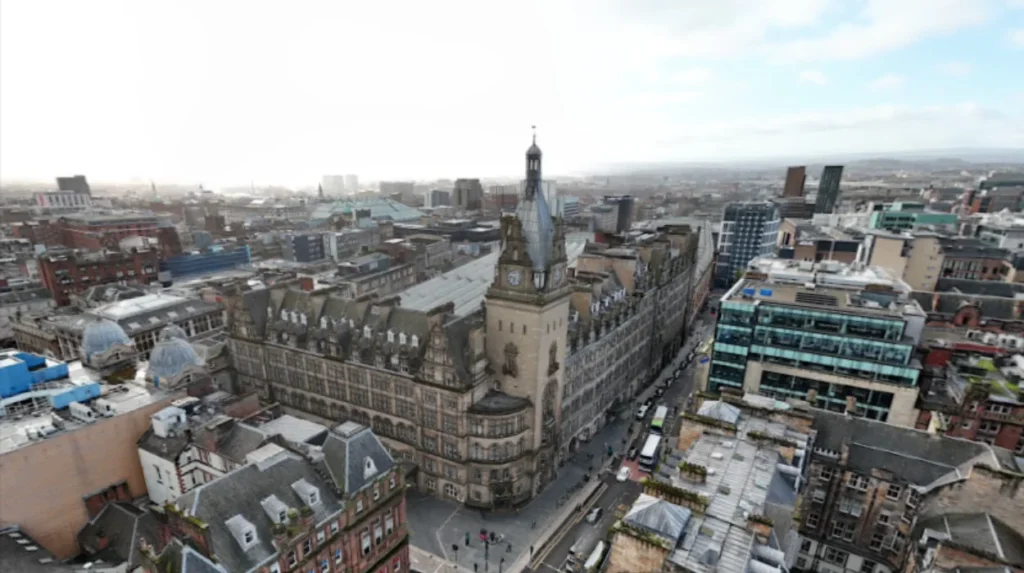
The local environment blends urban convenience with a semi‑rural feel. Residents can walk to Bellahouston Park, Queen’s Park, and Hampden Park, which together provide hundreds of hectares of public green space, sports pitches, and walking paths. At the same time, Shawlands Road and the surrounding streets host a dense cluster of independent cafés, delis, restaurants, bars, and small retailers, giving the area a distinct, village‑like centre without losing its connection to the wider city. This mix of green space, transport links, and local amenities makes Shawlands appealing to a broad demographic, from families to remote‑working professionals.
What is the housing market and price trend in Shawlands?
Shawlands has seen measurable house‑price growth amid a broader Glasgow‑wide upswing, signalling that demand is outpacing many outer‑ring suburbs. A 2025 Glasgow property‑market update notes that average sale prices in Shawlands rose by about 6 per cent year‑on‑year, with the typical home trading around £154,384. This places Shawlands above nearby areas such as Langside and Battlefield, which are more modest in price, but still below many prime West End streets and parts of East Renfrewshire, where detached villas often exceed £300,000–£400,000.
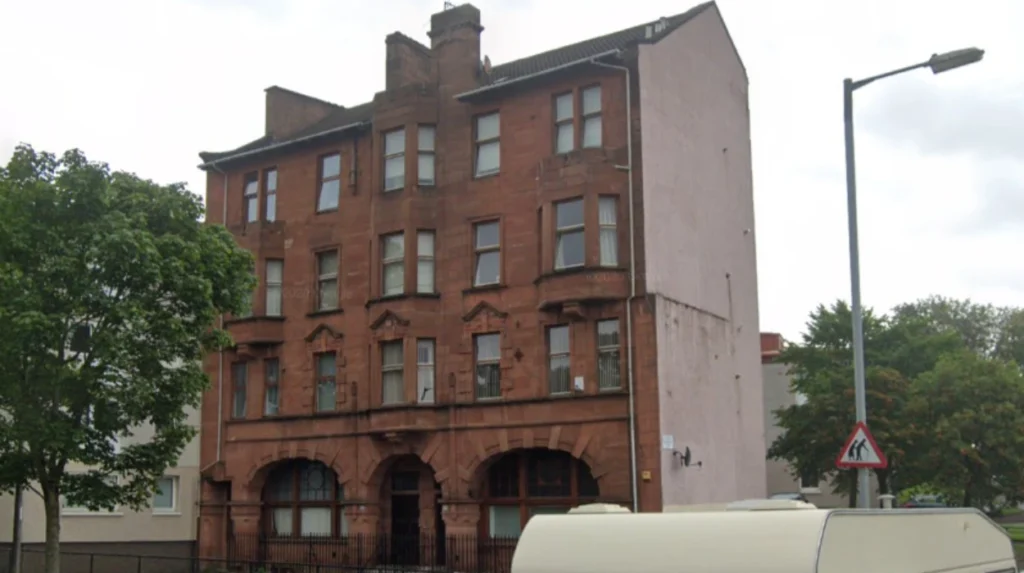
The local stock is dominated by tenement flats, side‑barry Victorian villas, and a growing number of converted or modernised properties with updated kitchens and bathrooms. Typical offerings include second‑floor sandstone flats of two to three bedrooms, usually with high ceilings and bay windows, three‑bedroom semi‑detached villas in streets such as Newlands and Cleghorn that appeal strongly to families, and studio or one‑bedroom flats aimed at students and young professionals, usually close to Pollokshaws Road or the Shawlands train station. In 2026‑style Glasgow market analysis, Shawlands is flagged as one of the clear signs of gentrification on the south side, with strong demand from both owner‑occupiers and buy‑to‑let landlords. That pressure is reflected in shorter time‑on‑market periods and more competitive bidding, particularly for well‑presented sandstone flats and larger family homes with garden space.
How does Shawlands compare to surrounding areas?
Compared with other south‑side neighbourhoods, Shawlands strikes a particular balance between lifestyle amenities and housing variety, which helps explain its rising popularity. Langside and Mount Florida are quieter and more residential but have fewer large‑scale retail or café clusters, while Pollokshaws is slightly more industrial‑leaning and has seen heavier student‑letting pressure near the colleges. Shawlands sits at the heart of the Glasgow Southside corridor and benefits from the cumulative draw of Queen’s Park, Glasgow University, and the city centre.
This positioning places Shawlands alongside areas such as Strathbungo, which was named one of Scotland’s best places to live in 2018 and shares similar transport links and a similar property mix. Estate‑agent and market‑analysis reports describe the wider Southside as a hot spot for serious buyers, with Shawlands and adjacent areas seeing many homes sold quickly, especially in the £140,000–£200,000 band. The area therefore offers a middle ground between quieter, more suburban locations and the higher‑cost, more densely packed parts of the West End and inner city.
What amenities and services are available in Shawlands?
Shawlands Road and its side streets form the core of the local retail and hospitality ecosystem, with a focus on independent shops and cafés rather than large‑chain retail. Typical offerings along this stretch include cafés and bakeries serving coffee, brunch, and artisan bread, specialist food shops such as delis, health‑food stores, and small grocers, and restaurants and pubs ranging from casual wine bars to family‑oriented gastropubs. These options create a walkable, day‑to‑day environment where residents can meet most everyday shopping and social needs without leaving the immediate neighbourhood.
The area also has strong basic‑service provision. General‑practice surgeries such as Waverley Park Medical Practice, Shawlands Surgery, and Pollokshaws Medical Centre ensure residents can access the National Health Service without long journeys. Pharmacies, supermarkets, and convenience stores are distributed along Shawlands Road and nearby Pollokshaws Road, meaning most households are within a five‑to‑ten‑minute walk of essentials. For culture and leisure, Shawlands sits within easy reach of major venues such as The Burrell Collection in Pollok Country Park, Hampden Park, and the broader Glasgow Southside festival scene, including fringe events and local markets. This mix of everyday services and niche cultural options supports a lifestyle that appeals to both families and younger, work‑from‑home or hybrid‑work professionals.
How does the community and social life in Shawlands feel?
Community‑life coverage and local‑market commentary often describe Shawlands as having a village‑like atmosphere despite its proximity to the city centre. Residents frequently mention a visible mix of young professionals, students, and longer‑term families, which contributes to a diverse but stable social fabric. The area’s social ecosystem is supported by a regular calendar of farmers’ markets, pop‑up food events, and street‑festival‑style gatherings, especially in warmer months.
Shawlands also benefits from a concentration of cafés and bars that function as informal meeting points along Shawlands Road, drawing in locals for work coffee, casual drinks, and after‑school or after‑work socialising. Nearby community‑centre activities, sports clubs, and park‑based events such as outdoor exercise groups and family‑oriented park days draw neighbours from Shawlands and surrounding streets, reinforcing a sense of belonging. In surveys and qualitative reports on Glasgow’s best places to live, Shawlands is repeatedly cited for its strong sense of community and low‑key conviviality, as opposed to the more frantic pace of some West End or inner‑city neighbourhoods. This social texture is one factor attracting young couples without children, remote workers, and families who want to live in a walkable, amenity‑rich yet relatively calm environment.
How does transport and connectivity benefit Shawlands residents?
Shawlands’ transport strengths lie in its multi‑modal access to the rest of Glasgow and beyond, with rail, bus, and active‑travel options all within short walking distance. The Shawlands railway station, on the Glasgow South Western Line, provides direct services to Glasgow Central, with journeys typically under ten to twelve minutes. Crossmyloof and Pollokshaws East stations add redundancy, making it easier to avoid peak‑hour congestion and to reach the city centre or south‑side destinations without relying on a car.
Bus routes such as the 26 (City Centre–Ibrox), 4 (Hillhead–Gorbals via Southside), and 36 (Hyndland–Pollokshaws) cross the area, linking Shawlands to the West End, the city centre, the Southside universities, and the southern suburbs. These services usually run at ten‑ to fifteen‑minute frequencies during the day, supporting a car‑light or car‑free lifestyle for many residents. Cycling and walking infrastructure has also improved as part of wider Glasgow City Council and Southside transport plans. Dedicated cycle lanes and smoother crossings along Pollokshaws Road and Minard Road make it feasible to commute by bike to the city centre or nearby employment hubs, while footpaths through Queen’s Park and Bellahouston Park provide safe, scenic routes for school runs and leisure.
What is the historical background of Shawlands and how does it shape today’s appeal?
Shawlands began as a rural estate and small settlement in the early 19th century, evolving into a middle‑class suburb as Glasgow expanded during the Industrial Revolution. The area lies within the historic county of Lanarkshire, which became part of the City of Glasgow district in the 20th century and is now governed by Glasgow City Council. The construction of sandstone tenement blocks and Victorian villas in the late 19th and early 20th centuries gave Shawlands its characteristic built‑form, with wider streets, communal gardens in tenements, and villa‑fronted terraces.
These properties were originally aimed at middle‑income professionals, including clerks, teachers, and skilled workers, and many of the same streets now house modern professionals, students, and buy‑to‑let tenants. That historic grain—wide streets, communal gardens in tenements, and villa‑fronted terraces—contrasts with the more generic post‑war housing estates elsewhere in the city, helping Shawlands retain a sense of architectural coherence and neighbourhood identity. The preservation of nearby parks such as Queen’s Park and Bellahouston Park adds continuity, creating an environment that feels rooted but not outdated, which supports its current status as a desirable place to live.
How does the local economy and job‑market proximity affect Shawlands?
Shawlands functions as a bedroom‑community and lifestyle hub for people working in both the city centre and the wider Southside employment belt. Key job‑market proximities include the Glasgow city centre, where banking, public‑sector, retail, and professional‑services roles are concentrated; the West End, home to universities, tech firms, creative agencies, and cultural employers; and Southside institutions such as Glasgow University, South Glasgow College, and hospitals and research centres that generate knowledge‑economy and healthcare employment.
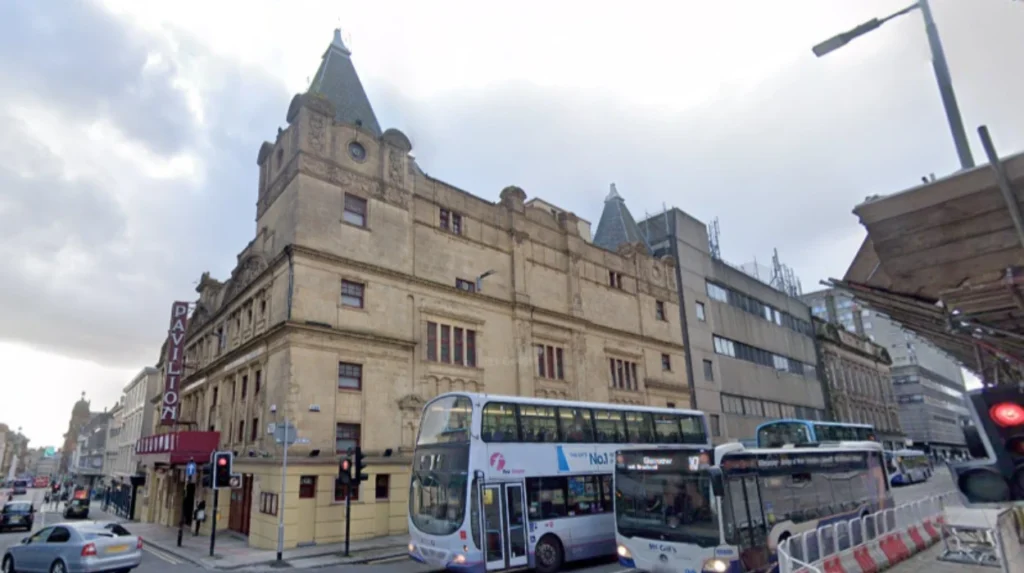
The Council‑led Glasgow City Deal and wider economic‑development strategies have channelled investment into infrastructure, innovation, and skills projects, many of which are centred in or near the Southside. This environment supports higher‑skilled, higher‑paying jobs in technology, life sciences, and creative industries, which in turn attracts graduates and professionals who then choose to live in Shawlands. For residents working in these sectors, the short commute by train or bus reduces daily travel cost and stress, while the walkable high street and park access improve quality of life. Estate‑agent and market‑analysis reports note that Shawlands and Strathbungo are particularly attractive to young professionals who can access well‑paid jobs without paying West‑End‑level housing costs.
What are the implications of Shawlands’ rising popularity for future residents?
Rising popularity in Shawlands is associated with ongoing housing‑price pressure, gentrification dynamics, and shifting tenancy patterns. As the Southside is identified as one of Glasgow’s clearest areas of gentrification, more households can expect competitive bidding on well‑located sandstone flats and family homes, and shorter time‑on‑market periods across the £140,000–£200,000 band. This trend is likely to continue as demand from young professionals, remote workers, and buy‑to‑let investors remains strong.
At the same time, the area’s amenity‑rich environment, strong transport links, and architectural character make it likely to remain in demand over the medium term. For long‑term residents, this suggests solid capital‑value potential; for renters, it reinforces the importance of securing properties quickly and negotiating on service‑charge or maintenance terms in tenement buildings. From a city‑planning perspective, continued growth in Shawlands ties into wider Glasgow strategies to concentrate development in existing urban corridors rather than sprawling into green‑belt land. This compact‑growth model supports sustainable transport, lower per‑capita emissions, and more efficient public‑service delivery, which in turn improves the everyday experience for households choosing to live in or move to Shawlands.