Nestled just 12 miles southeast of Glasgow in North Lanarkshire, Motherwell shares an enduring bond with Scotland’s largest city that spans history, transport links, and shared cultural vibrancy. This close-knit relationship makes Motherwell an ideal extension for Glasgow visitors seeking authentic Scottish heritage beyond the urban bustle. From steel-forged legacies to scenic day trips, exploring Motherwell from a Glasgow perspective reveals a dynamic companion town ripe for discovery.
- Historical Roots Linking Motherwell to Glasgow
- Seamless Travel Between Motherwell and Glasgow
- Motherwell’s Industrial Legacy and Modern Revival
- Cultural and Architectural Gems in Motherwell
- Outdoor Escapes and Leisure at Strathclyde Park
- Motherwell FC: The Steelmen’s Pride and Glasgow Ties
- Planning Your Glasgow-to-Motherwell Day Trip
- Motherwell’s Education and Community Spirit
- Economic Bridges and Future Prospects
Historical Roots Linking Motherwell to Glasgow
Motherwell’s story intertwines deeply with Glasgow’s through the veins of 19th-century industrialization. Once a modest farming hamlet of around 600 souls by the early 1800s, clustered near Jerviston House and crossroads along the River Clyde, Motherwell transformed dramatically with the arrival of railways in 1833. By 1849, it became a key junction station offering direct lines to Glasgow, spurring ironworks and engineering booms that funneled workers and goods between the two hubs.
David Colville’s iron and steel works opened in 1881, earning Motherwell the nickname “Steelmopolis” as it dominated Scotland’s steel output by the 1930s under Colville family control. Nationalized in 1967, the Ravenscraig steelworks—once boasting one of the world’s longest continuous casting facilities—produced millions of tonnes annually, employing over 13,000 by the mid-1970s and sustaining Glasgow’s manufacturing ecosystem. The 1992 closure marked the end of large-scale Scottish steelmaking, yet remnants like the Dalzell Plate Mill, operated by Tata Steel Europe, echo this era.
Glasgow commuters and traders fueled Motherwell’s growth, with Roman roads predating modern links—evident in Bothwellhaugh’s fort and bath house ruins now submerged in Strathclyde Loch. This industrial synergy not only built Motherwell’s skyline of cooling towers but also wove it into Glasgow’s fabric as a vital satellite for labor and innovation.
Seamless Travel Between Motherwell and Glasgow
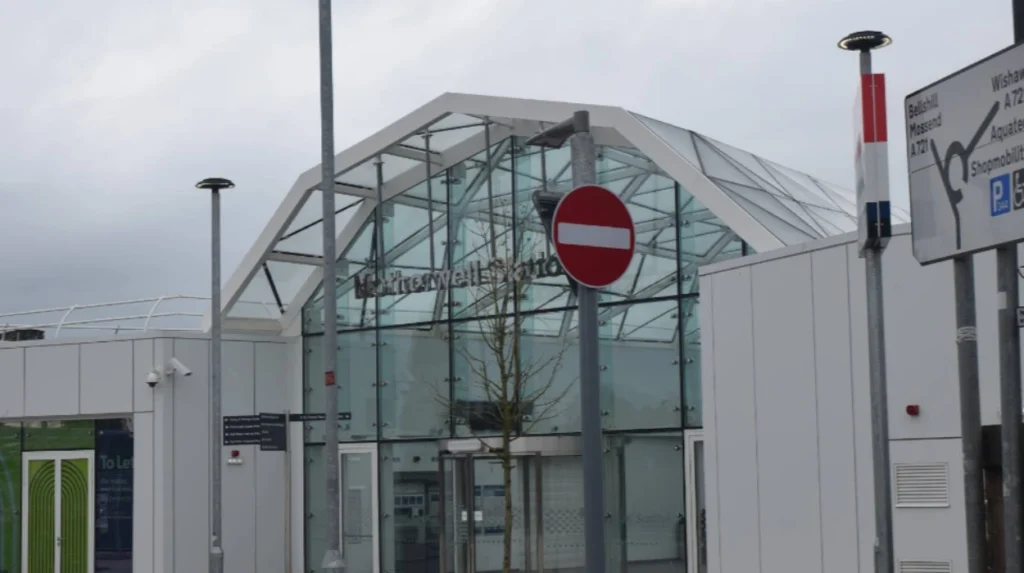
Reaching Motherwell from Glasgow is effortless, embodying their proximity. Trains from Glasgow Central to Motherwell station—on the West Coast Main Line—run every 20-30 minutes, covering 11-14 miles in as little as 16 minutes for fares starting at £5.20. ScotRail dominates with 114 daily services, while Avanti West Coast and TransPennine Express offer longer routes via Edinburgh.
Buses provide budget alternatives; First Greater Glasgow’s routes from North Frederick Street take 21 minutes hourly. The M74 motorway hugs the Clyde, making a 21-minute drive straightforward, though rideshares cost around £3 for eco-conscious travelers. Historic tramways once connected via Cambuslang and Uddingston until 1931, linking to Glasgow’s vast network closed in 1962.
Airports enhance accessibility: Glasgow Prestwick is 16 miles away post-M74 extension, ideal for international arrivals heading to Motherwell’s business parks. This infrastructure cements Motherwell as Glasgow’s commuter haven, perfect for hybrid work or spontaneous escapes.
Motherwell’s Industrial Legacy and Modern Revival
Motherwell’s steel heritage defines its identity, mirroring Glasgow’s shipbuilding prowess. Ravenscraig’s 1950s expansion—from coke ovens to strip mills—produced over a million tonnes yearly by 1959, symbolizing post-war optimism. The 1980s strike and 1992 demolition shattered 400 years of iron production, spiking unemployment but sparking reinvention.
Today, Dalzell persists, rolling Middlesbrough steel into plates, while Strathclyde Business Park hosts Volvo Construction Equipment and William Grant & Sons distillers. Call centers and Fairtrade status since 2007 signal service-sector growth, reducing past highs in joblessness. North Lanarkshire Council headquarters here oversees 327,000 residents, blending governance with enterprise.
Glasgow professionals find Motherwell’s evolution appealing—affordable housing near urban amenities, with Ravenscraig’s regeneration into sports facilities like the regional athletics track. This shift from heavy forges to tech-savvy parks positions Motherwell as Glasgow’s resilient neighbor.
Cultural and Architectural Gems in Motherwell
Motherwell brims with sites blending faith, history, and nature, easily accessible from Glasgow. Dalzell Estate, south along the Clyde, features 15th-century Dalzell House amid gardens, woodlands, and an arboretum—open year-round for tranquil hikes. Category-A listed, it whispers of lairds past amid Category-A listed splendor.
Carfin Grotto, a serene pilgrimage site from April to October, draws spiritual seekers with its peaceful shrines. North Lanarkshire Heritage Centre, beside the station, spans Roman mosaics to Ravenscraig relics and showbiz costumes, offering tower views to Ben Lomond.
Motherwell Cathedral, seat of the Diocese of Motherwell, hosts diocesan choir performances in its Gothic interior. Civic Centre’s concert hall stages pantomimes, once hosting Scottish Masters snooker. These venues enrich Glasgow day-trippers craving quieter cultural dives.
Outdoor Escapes and Leisure at Strathclyde Park
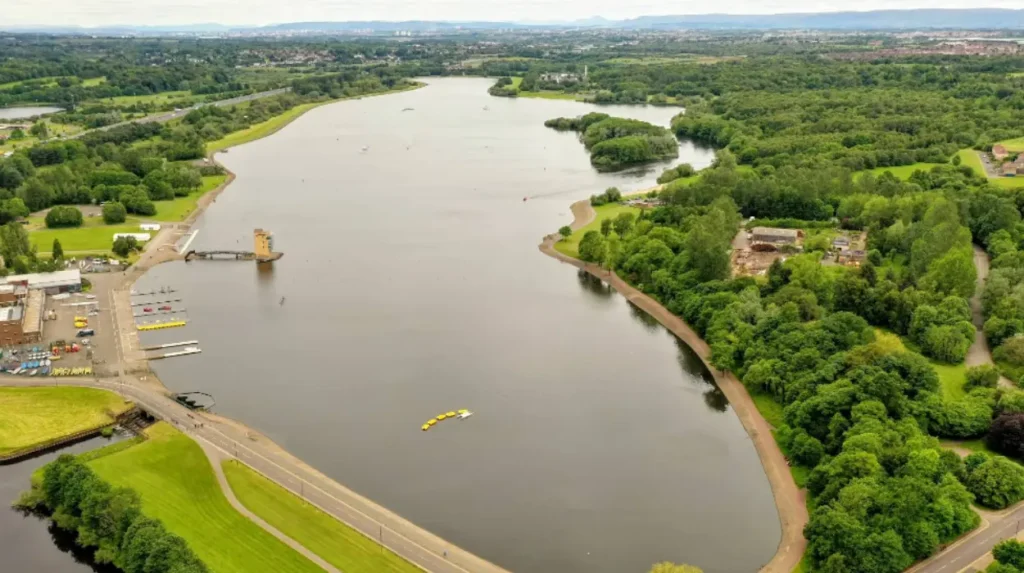
Strathclyde Country Park anchors Motherwell’s green appeal, a short train hop from Glasgow. Encircling a vast loch, it offers birdwatching, angling, picnics, and walks through woodlands once home to Bothwellhaugh mining village. Roman bath ruins and a mosaic add archaeological intrigue, though the bridge remains closed.
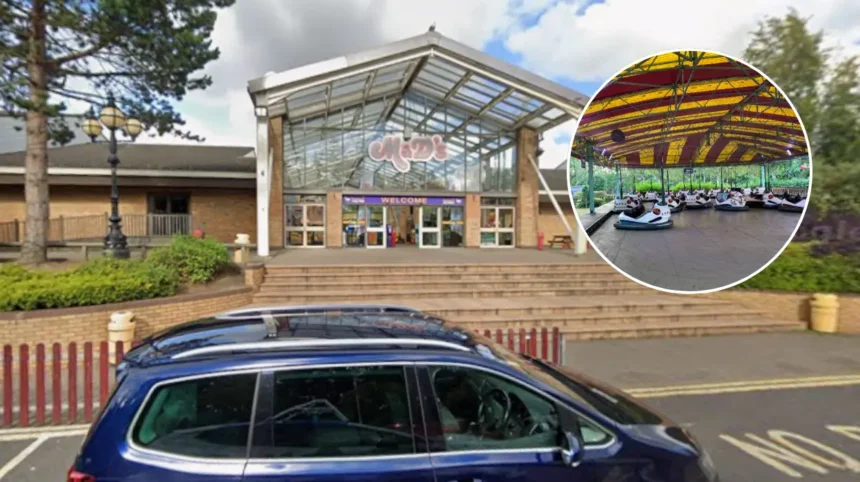
M&D’s Amusement Park thrills with rides beside the loch, while the Boathouse Gym bases Motherwell Athletics Club. Hosted 2014 Commonwealth Games triathlon and 2011 International Children’s Games, its facilities shine. Greenlink Cycle Path links to town center, extendable to Ravenscraig.
Golfers tee off at Colville Park amid Jerviston ruins or Dalziel Park Hotel course; Torrance Park adds options nearby. Hockey at Dalziel Park’s astroturf rounds out pursuits, making the park a verdant counterpoint to Glasgow’s intensity.
Motherwell FC: The Steelmen’s Pride and Glasgow Ties
Motherwell FC, the “Steelmen,” embodies local grit at Fir Park since 1896. Formed in 1886 from Glencairn and Alpha factory teams, they clinched Scotland’s 1931-32 league title with Willie MacFadyen’s 52 goals—a record—and cups in 1951-52, 1990-91, and 1950-51.
Lanarkshire derbies with Hamilton Academical and Airdrieonians ignite passion, though Glasgow’s Old Firm overshadows. Fans pioneered the Viking Thunder Clap, popularized by Iceland in Euro 2016. Alumni like Sir Matt Busby, Kieran Tierney, and Phil O’Donnell (honored posthumously with retired No. 10) link to Scottish football lore.
Fir Park’s 13,677 capacity draws 5,000-6,000, with European jaunts including 2009’s 8-1 Flamurtari rout. Glasgow supporters catch matches en route, blending club loyalty with city rivalries.
Planning Your Glasgow-to-Motherwell Day Trip
Start from Glasgow Central on a 16-minute ScotRail train to Motherwell station. Head to North Lanarkshire Heritage Centre for industrial tales, then stroll to Fir Park for Steelmen vibes if timing aligns.
Lunch nearby, then bus or taxi to Dalzell Estate for riverside walks. Afternoon at Strathclyde Park: cycle Greenlink, thrill at M&D’s, or picnic by the loch. Evening return train ensures Glasgow nightlife awaits, with Carfin Grotto detour for reflection.
Year-round appeal peaks spring for estate blooms, summer for park events. Budget £20-30 total, leveraging off-peak trains. This itinerary maximizes Motherwell’s essence without overnight stays.
Motherwell’s Education and Community Spirit
Robust schools underscore Motherwell’s family draw from Glasgow. Dalziel High (1,000 pupils) and Our Lady’s High (once Europe’s largest) produced stars like Gary McAllister and Billy McNeill. Primaries like Cathedral and Glencairn feed these, with New College Lanarkshire’s 20,000 students in Ravenscraig driving skills.
Civic Centre hubs council services, fostering community events. Twinnings with Schweinfurt, Germany, and South Africa’s Motherwell enhance global ties. Locals like journalist Deborah Orr capture its working-class heart in memoirs.
Economic Bridges and Future Prospects
Motherwell’s HQ status for North Lanarkshire Council and Police Scotland “Q” Division bolsters stability. Business parks lure Glasgow firms, with unemployment tamed post-Ravenscraig. Dual carriageway plans linking M74 and M8 promise swifter commutes.
Sustainable growth via Fairtrade and regeneration positions it as Glasgow’s innovative outpost, blending heritage with forward momentum.
Motherwell complements Glasgow seamlessly, offering steel-toughened history, green havens, and spirited culture just minutes away. Whether chasing Roman echoes or Steelmen cheers, this duo delivers evergreen Scottish allure for explorers today and tomorrow.