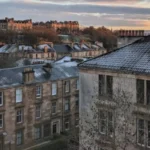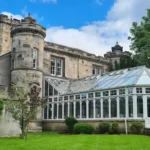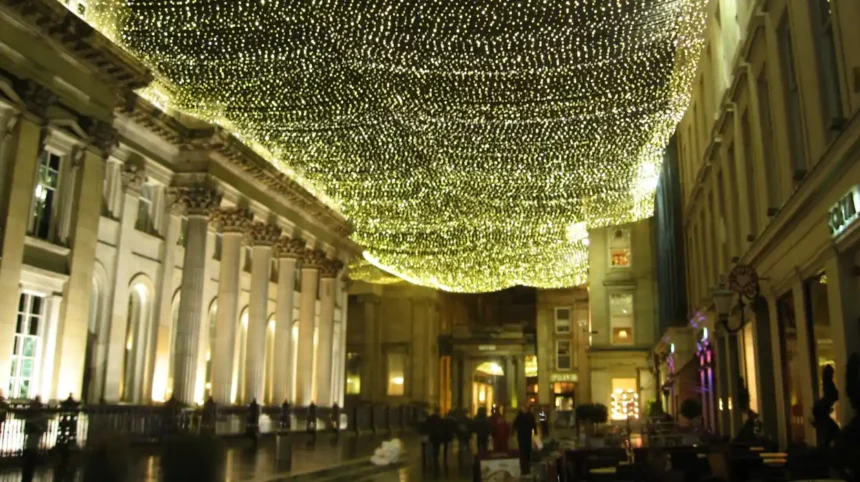
The real difference is that Merchant City is a historic, walkable city-center district known for 18th-century cobblestone streets, upscale dining, art galleries, and cultural festivals, while Glasgow West End is a larger, leafy residential area centered on Byres Road, defined by Victorian architecture, the University of Glasgow, independent boutiques, and extensive green spaces like Kelvingrove Park and Botanic Gardens. Merchant City functions as Glasgow’s cultural and upscale dining hub within the central business district. The West End operates as a vibrant, student-heavy neighborhood with a distinct village-like atmosphere, located 1–2 miles northwest of the city center.
- What Are the Core Geographic and Boundary Differences Between Merchant City and Glasgow West End?
- How Do the Historical Backgrounds and Architectural Styles Differ Between These Two Areas?
- What Are the Primary Atmosphere and Lifestyle Characteristics That Distinguish Merchant City from the West End?
- How Do Shopping, Dining, and Entertainment Options Compare Between Merchant City and Glasgow West End?
- What Are the Key Attractions and Green Spaces That Define Each Neighborhood’s Identity?
- How Do Transportation Links and Accessibility Compare Between Merchant City and Glasgow West End?
- Which Neighborhood Is Better Suited for Different Types of Visitors and Residents?
What Are the Core Geographic and Boundary Differences Between Merchant City and Glasgow West End?
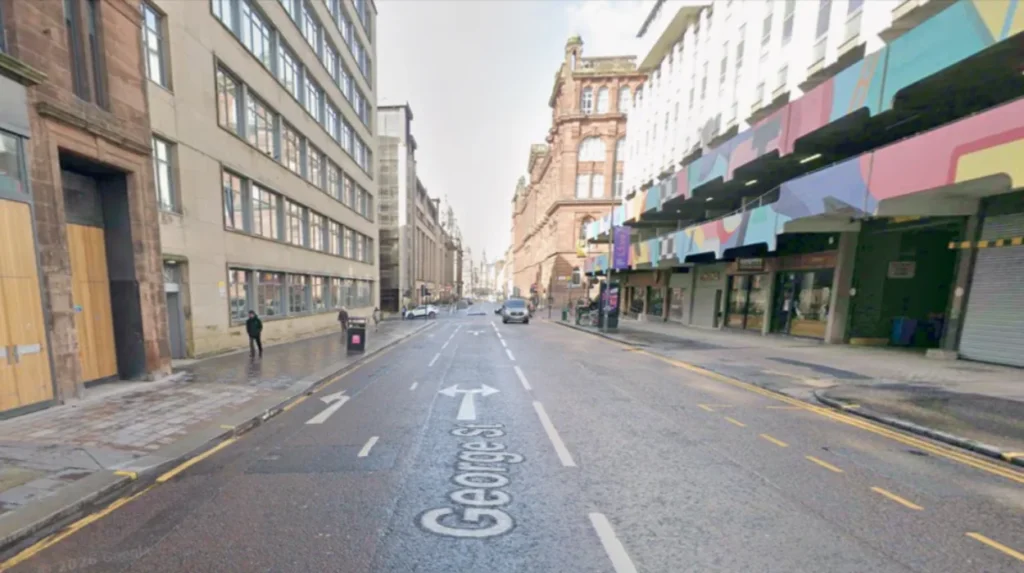
Merchant City occupies a compact 0.25-square-mile area bounded by George Street, High Street, Trongate, and Queen Street in Glasgow city centre. The West End spans approximately 3 square miles northwest of the center, centered on Byres Road and extending to Hillhead, Partick, and Finnieston. These distinct geographic boundaries create fundamentally different urban experiences.
Merchant City forms a precise rectangular district in Glasgow’s metropolitan central area. The Scottish Development Agency and Glasgow City Council officially named this area during 1980s urban renewal. Its eastern boundary sits at High Street, the northern edge at George Street, the southern limit at Trongate, and the western border at Queen Street. This compact size means most attractions fall within a 10-minute walk.
The West End lacks a single official boundary but professionally centers around Byres Road in the Hillhead area. It extends northwest from the city center, encompassing Hillhead, Partick, Finnieston, and surrounding residential streets. The district stretches roughly 1.5 miles from the city center to the River Clyde, covering significantly more territory than Merchant City. This larger geographic scope creates distinct sub-neighborhoods, each with unique characteristics.
Geographic positioning determines accessibility differences. Merchant City sits within Glasgow city centre, placing it within walking distance of Queen Street and Central train stations. The West End requires public transport or a 20–30 minute walk from the center, though Hillhead subway station provides direct access. This distance creates a perceptual separation: Merchant City feels like downtown, while the West End feels like a separate village.
How Do the Historical Backgrounds and Architectural Styles Differ Between These Two Areas?
Merchant City features preserved 18th-century tobacco merchant warehouses and Georgian architecture from Glasgow’s colonial trade era, while the West End showcases Victorian and Edwardian sandstone tenements built during Scotland’s industrial boom from 1850–1910. These architectural eras define each neighborhood’s visual identity and cultural character.
Merchant City’s architecture directly reflects Glasgow’s 18th-century tobacco trade wealth. Wealthy merchants built grand warehouses and townhouses between 1750–1800 to store and trade tobacco from American colonies. The area’s name derives from these merchant families who dominated Glasgow’s economy. Today, these historic warehouses convert into luxury apartments, restaurants, and galleries while retaining original cobblestone streets and cast-iron lampposts. The architectural style emphasizes Georgian symmetry, large sash windows, and stone facades.
The West End’s architecture stems from Scotland’s industrial expansion between 1850–1910. Victorian developers constructed four-to-six-story sandstone tenements to house factory workers, professionals, and university staff. These buildings feature distinctive Clyde sandstone (golden-beige in color), ornate cornices, bay windows, and wrought-iron staircases. The University of Glasgow’s main campus, built between 1837–1870 in Gothic Revival style, anchors the area’s architectural identity.
Architectural preservation approaches differ significantly. Merchant City underwent targeted urban renewal in the 1980s, converting derelict warehouses into commercial and residential spaces while preserving facades. This regeneration created a curated historic atmosphere. The West End evolved organically, with most buildings remaining in original residential use. The area gained conservation area status, protecting its Victorian streetscape from modern development.
The visual contrast remains striking. Merchant City presents narrow cobblestone lanes, wide pedestrian plazas, and concentrated historic warehouses. The West End displays tree-lined residential streets, continuous tenement blocks, and grand public buildings like the Kelvingrove Art Gallery and Museum. These architectural differences create distinct photographic and aesthetic appeals.
What Are the Primary Atmosphere and Lifestyle Characteristics That Distinguish Merchant City from the West End?
Merchant City delivers an upscale, cosmopolitan atmosphere with fine dining, cocktail bars, art galleries, and weekend cultural festivals, attracting professionals and tourists. The West End offers a relaxed, bohemian village vibe with independent cafes, vintage shops, student life, and family-friendly parks, appealing to students, creatives, and residents. These atmosphere differences determine each area’s primary visitor demographic.
Merchant City’s atmosphere centers on sophistication and cultural sophistication. The district hosts Glasgow’s highest concentration of upscale restaurants, serving Michelin-starred and fine-dining establishments. Evening life features cocktail bars, wine bars, and upscale pubs rather than student-oriented venues. The annual Merchant City Festival draws 100,000+ visitors for arts, music, and food events. Daytime attracts office workers, shoppers, and tourists exploring galleries and boutiques.
The West End cultivates a casual, intellectual, and creative atmosphere. Byres Road functions as the community heart, packed with independent coffee shops, vintage bookstores, and affordable eateries. The University of Glasgow’s presence ensures constant student activity, creating a youthful, energetic environment. Ashton Lane, a cobbled alley in Finnieston, features fairy-lit pubs and casual dining popular with locals. The atmosphere feels more residential and less commercialized.
Pace and density differ noticeably. Merchant City operates at a faster, more pumped pace, especially during festivals and weekend evenings. The compact size creates concentrated activity. The West End moves at a leisurely pace, with residents strolling through parks, browsing vintage shops, and enjoying coffee. Tree-lined streets and green spaces reduce the urban intensity.
Social demographics create distinct cultural profiles. Merchant City attracts professionals aged 25–45, tourists, and culture enthusiasts seeking upscale experiences. The West End draws university students, academics, families, and creatives valuing independent business and community atmosphere. This demographic split influences pricing, venue types, and evening entertainment.
How Do Shopping, Dining, and Entertainment Options Compare Between Merchant City and Glasgow West End?
Merchant City specializes in designer boutiques, upscale restaurants (average £25–40 per meal), art galleries, and cultural venues, while the West End features vintage boutiques, independent cafes, affordable eateries (average £10–20 per meal), and community-focused pubs and bars. These commercial differences reflect each area’s target demographic and atmosphere.
Merchant City’s shopping focuses on premium and designer offerings. The area hosts high-end fashion boutiques, luxury home goods stores, and artisan craft shops. Major retailers include designer clothing stores, jewelry shops, and specialty food emporiums. Shopping centers on quality and exclusivity rather than bargain hunting. The Commercial Road and Virginia Street host the highest concentration of upscale retailers.
The West End’s shopping emphasizes independent and vintage offerings. Byres Road contains over 100 independent businesses, including vintage clothing stores, record shops, bookstores, and quirky gift shops. Chain stores remain minimal, preserving the area’s unique character. Prices suit students and budget-conscious shoppers, with frequent sales and affordable options.
Dining differences reflect budget and style preferences. Merchant City houses Glasgow’s finest restaurants, including Cail Bruich, 21212, and Louis, offering Michelin-starred and fine-dining experiences. Average meal costs range £25–40 for main courses. Wine bars and cocktail establishments dominate evening venues, emphasizing sophisticated atmospheres.
The West End provides diverse, affordable dining options. Byres Road and Ashton Lane feature curry houses, pizza places, vegetarian cafes, and gastropubs serving meals at £10–20. The area hosts Glasgow’s highest concentration of independent cafes, serving specialty coffee and brunch. Student-friendly budgets drive menu pricing and portion sizes.
Entertainment options diverge significantly. Merchant City centers on art galleries (Tramway, Centre for Contemporary Arts), theater venues, and cultural festivals. The annual Merchant City Festival features 100+ events across music, art, and food. Evening entertainment focuses on upscale bars rather than clubs.
The West End offers community-focused entertainment. The King’s Theatre, Byres Road cinemas, and local pubs host live music, comedy, and community events. Ashton Lane’s fairy-lit pubs create a unique social atmosphere. The University of Glasgow hosts public lectures, exhibitions, and cultural events accessible to residents.
What Are the Key Attractions and Green Spaces That Define Each Neighborhood’s Identity?
Merchant City’s primary attractions include the Glasgow Cathedral, Merchant City Festival, art galleries (Tramway, CCA), and historic cobblestone squares, with limited green space. The West End features major attractions like Kelvingrove Art Gallery and Museum, Glasgow Botanic Gardens, University of Glasgow campus, Kelvingrove Park, and the Riverside Museum, with extensive green spaces covering 50+ acres. These attractions define each area’s visitor appeal and local identity.
Merchant City’s attractions cluster around history and culture. Glasgow Cathedral, a 12th-century Gothic masterpiece, stands at the district’s eastern edge. The Merchants’ House, a 16th-century merchant building, provides historical context. The Tramway arts center and Centre for Contemporary Arts (CCA) host exhibitions, performances, and film screenings. Virginia Street and Miller Square serve as pedestrian plazas for events and gatherings.
Green space in Merchant City remains limited. The area contains small pocket parks and courtyard gardens but lacks major recreational areas. Residents and visitors travel to nearby George Square or the Clyde Walkway for outdoor activities. This limitation reinforces Merchant City’s urban, commercial character.
The West End’s attractions include world-class institutions and extensive green spaces. Kelvingrove Art Gallery and Museum, one of Scotland’s most visited attractions, houses 8,000+ artifacts including Salvador Dalí’s Christ of Saint John of the Cross. Glasgow Botanic Gardens covers 37 acres with தமிழ் tropical glasshouses and native plant collections. Kelvingrove Park spans 85 acres, offering sports facilities, playgrounds, and riverside walks along the River Kelvin.
The University of Glasgow’s campus functions as a major attraction. Its Gothic Revival architecture resembles Hogwarts, drawing tourists and photographers. The Hunterian Museum, located within the university, contains art, natural history, and medical collections. Riverside Museum, located in nearby Finnieston, features 3,000+ transport exhibits including the world’s largest collection of locomotives.
Green space dominates the West End’s identity. Beyond Kelvingrove Park and Botanic Gardens, the area contains numerous smaller parks, tree-lined streets, and the Kelvin Walkway (3-mile riverside path). This extensive green infrastructure supports outdoor recreation, jogging, cycling, and family activities.
Explore More Area Guide
Is Kelvindale a Good Area to Live in Glasgow for Young Families
What Is Living in Hillhead Glasgow Like for Students and Graduates?
How Do Transportation Links and Accessibility Compare Between Merchant City and Glasgow West End?
Merchant City offers superior walkability within Glasgow city centre, with Queen Street and Central train stations within 10 minutes, multiple bus routes, and no subway station. The West End provides direct subway access via Hillhead Station, frequent bus services, and 15–20 minute walks from the city center, but requires public transport for most journeys from outside Glasgow. These transportation differences affect visitor convenience and resident mobility.
Merchant City’s accessibility centers on its city-center location. Queen Street Station sits 5 minutes west, providing ScotRail services to Edinburgh, Stirling, and northern Scotland. Central Station lies 10 minutes south, offering connections to Glasgow suburbs and the Clyde Valley. Multiple bus routes (including 38, 42, 57) serve George Street and Virginia Street.
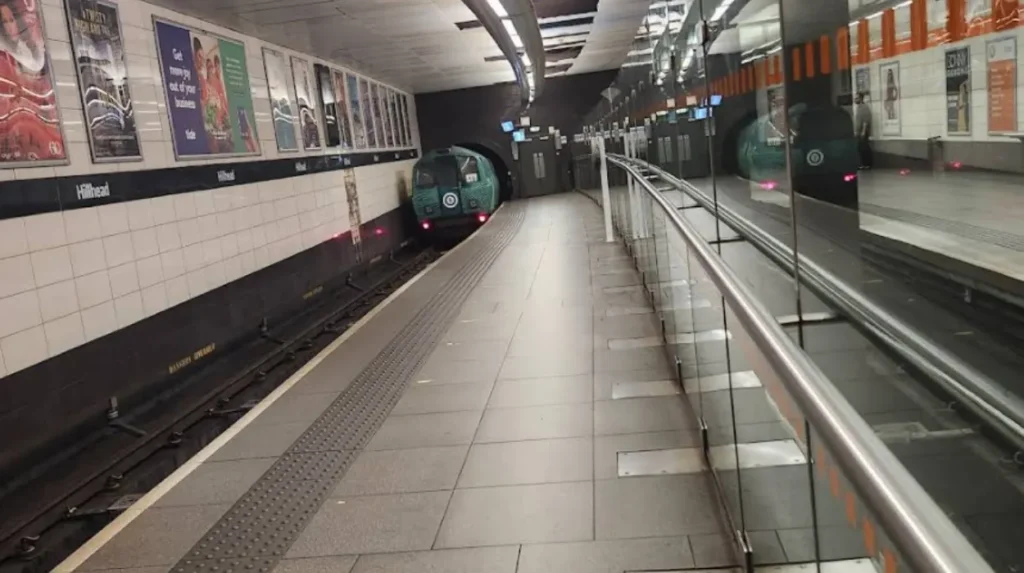
The West End requires public transport for most access. Hillhead Subway Station (Gamma Line) provides direct 10-minute service to Buchanan Street and city center. Bus routes (including 4, 6, 15, 44) run frequently along Byres Road and Great Western Road. The 1.5-mile distance from the center requires 20–30 minute walks or 10-minute bus/subway rides.
Walkability differs significantly. Merchant City achieves 95/100 walkability scores, with most destinations within 5–10 minutes on foot. Cobblestone streets and pedestrianized zones prioritize walking over driving. The West End scores 85/100 walkability, with Byres Road and Hillhead highly walkable but requiring transport for farther destinations.
Parking availability differs. Merchant City offers limited on-street parking and multi-story car parks (Virginia Street, George Square), with high rates (£3–5/hour). The West End provides more residential parking but faces restrictions in conservation areas. Both areas discourage driving, promoting public transport and walking.
Cycling infrastructure favors both areas. The Clyde Walkway connects Merchant City to the East End, while the Kelvin Walkway serves the West End.prites Bike-share stations exist in both districts.
Which Neighborhood Is Better Suited for Different Types of Visitors and Residents?
Merchant City suits first-time visitors, foodies, culture enthusiasts, and professionals seeking central accommodation, upscale dining, and walkable access to Glasgow’s main attractions. The West End suits students, families, creatives, long-term residents, and travelers preferring a village atmosphere, independent businesses, green spaces, and university culture. These suitability differences determine optimal choices based on visitor priorities.
First-time visitors benefit from Merchant City’s central location. Staying here places major attractions (Glasgow Cathedral, galleries, shopping) within walking distance. The area’s concentration of hotels, including luxury and boutique options, supports tourism infrastructure. Visitors seeking nightlife, fine dining, and cultural events find Merchant City ideal.
Students and academics prefer the West End. The University of Glasgow’s presence creates student housing, affordable eateries, and campus proximity. Hillhead and Byres Road offer student-friendly budgets and social environments. The area’s relaxed atmosphere and independent businesses appeal to academic lifestyles.
Families favor the West End’s green spaces and amenities. Kelvingrove Park, Botanic Gardens, and family-friendly museums (Kelvingrove, Riverside) support children’s activities. Residential streets, schools, and community facilities create family-oriented environments. Merchant City’s lack of green space and nightlife focus suit families less.
Foodies have distinct preferences based on budget. Merchant City suits those seeking Michelin-starred and fine-dining experiences. The West End appeals to those preferring independent cafes, curry houses, and gastropubs. Both areas offer exceptional food but at different price points.
Budget travelers choose the West End for affordable accommodation and dining. Student pubs, budget hotels, and cheap eateries reduce costs. Merchant City’s upscale orientation increases expenses. Luxury travelers prefer Merchant City’s premium hotels and dining.
Long-term residents select based on lifestyle priorities. West End residents value community atmosphere, green spaces, and independent retail. Merchant City residents prefer urban convenience, cultural events, and central location.
What is the main difference between Merchant City and Glasgow West End?
Merchant City is a historic city-centre district known for upscale dining, galleries, and cultural events, while the West End is a larger residential area known for Victorian architecture, green spaces, and university life.