Key Points
- Visitors to Glasgow’s City Chambers, an A-listed historic building, will soon face charges to tour and experience the landmark, ending the current free access policy.
- Glasgow City Council passed a budget on Tuesday proposing paid tours for the first time, as part of efforts to generate revenue.
- The council also plans to increase use of the City Chambers for external events to capitalise on its cultural and architectural appeal.
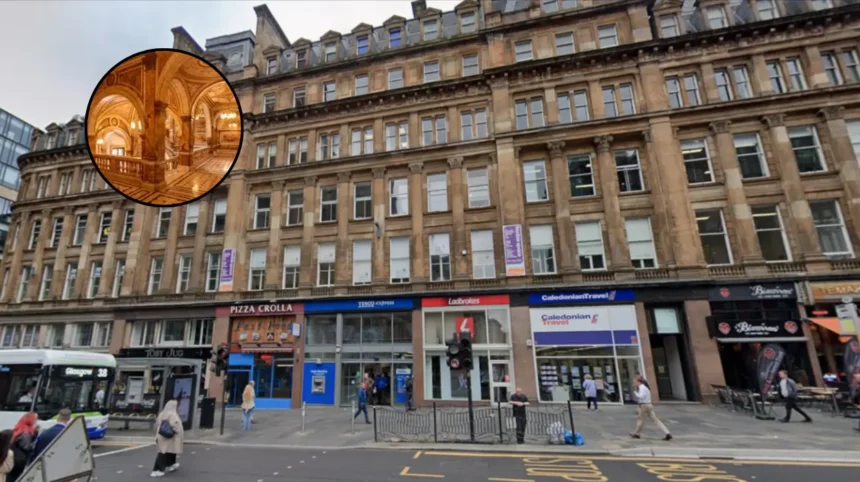
- The building, dating back to 1888, features Western Europe’s largest marble staircase, ceilings with 1.5 million mosaic tiles, grand granite pillars, a lavish banqueting hall, imposing council chambers with Venetian stained glass windows, and mahogany panelling.
- Visit Scotland previously compared the City Chambers to Harry Potter’s Hogwarts school, highlighting its magical allure.
- Councillor Jon Molyneux of the Greens supports the changes, stating there is a push “to do more to celebrate this incredible building” and that new initiatives recognise “what an incredible asset we have”.
- A council report outlines options to introduce paid tours and experiences, leveraging the unique cultural, political, and architectural position of the City Chambers and revitalised George Square.
- No pricing plan has been released yet by the council.
- The City Chambers serves as the headquarters of Glasgow City Council and houses staff offices.
Glasgow (Glasgow Express) February 25, 2026 – Glasgow City Council has approved a budget that introduces visitor fees to the iconic City Chambers for the first time, marking a significant shift from its longstanding free access policy. The A-listed building, often likened to Hogwarts from the Harry Potter series, will now charge for tours while also opening up for more external events to boost revenue. This move, passed on Tuesday, aims to celebrate and monetise one of the city’s most treasured architectural gems.
- Key Points
- Why Is Glasgow Introducing Fees for City Chambers Tours?
- What Features Make City Chambers a Tourist Magnet?
- Who Supports the Paid Tours and Events Proposal?
- When Will Fees Be Implemented and What Is the Pricing?
- How Does This Fit into Broader Council Strategies?
- What Is the Historical Significance of the City Chambers?
- Will Paid Access Change Visitor Experience?
- Why Compare City Chambers to Hogwarts?
- What Happens Next for George Square Revitalisation?
- Broader Implications for Glasgow Tourism?
Why Is Glasgow Introducing Fees for City Chambers Tours?
The decision stems from a council budget approved on Tuesday, which proposes charging visitors to experience the historic landmark previously open for free.
As detailed in the initial coverage by the Glasgow Express news desk, the policy targets the City Chambers’ role as a major draw, boasting features like Western Europe’s largest marble staircase and ceilings adorned with 1.5 million mosaic tiles. Councillor Jon Molyneux of the Greens welcomed the initiative, emphasising a broader push
“to do more to celebrate this incredible building”.
He added that these new measures are “recognising what an incredible asset we have”, according to statements attributed to him in the council’s budget discussions.
The building, constructed in 1888, also includes grand granite pillars, a lavish banqueting hall, and imposing chambers equipped with Venetian stained glass windows and mahogany panelling. These elements have long attracted tourists, with Visit Scotland once famously comparing the site to Harry Potter’s Hogwarts for its enchanting grandeur.
A report presented to the council, as covered comprehensively by the Glasgow Express, outlines an option to open the City Chambers more commercially. It states the plan
“will investigate the opportunity to capitalise on the unique cultural political and architectural position of Glasgow City Chambers and a revitalised George Square by introducing paid for tours and experiences and increased use for external events”.
What Features Make City Chambers a Tourist Magnet?
The City Chambers stands as a testament to Victorian opulence, serving not only as the council’s headquarters but also housing staff offices. Its highlights, consistently highlighted across reports, include the aforementioned marble staircase—the largest in Western Europe—and mosaic tile ceilings numbering 1.5 million in total. Grand granite pillars frame its imposing entrance, while the banqueting hall offers lavish spaces ideal for events.
The council chambers themselves feature intricate Venetian stained glass windows and rich mahogany panelling, creating an atmosphere of historic gravitas.
As noted in the Glasgow Express’s on-the-ground reporting, these attributes have drawn visitors for free until now, but the new fees aim to sustain and enhance the site’s upkeep. Tourism body Visit Scotland’s past endorsement, likening it to Hogwarts, underscores its appeal to a global audience seeking architectural wonders.
Who Supports the Paid Tours and Events Proposal?
Councillor Jon Molyneux of the Greens has been a vocal proponent, as quoted directly in the council proceedings covered by the Glasgow Express.
“There was a push to do more to celebrate this incredible building”,
he stated, reinforcing the rationale behind the budget’s provisions. His comments align with the report’s emphasis on revitalising George Square alongside the Chambers.
No dissenting voices were recorded in the primary coverage, though the budget’s passage on Tuesday implies broad council consensus.
The Greens’ involvement signals cross-party interest in monetising cultural assets amid fiscal pressures. As the headquarters for council operations, the building’s dual role as a working office and tourist site necessitates careful balancing, which the paid model seeks to address.
When Will Fees Be Implemented and What Is the Pricing?
The council has not yet released a potential pricing plan, leaving specifics on costs and timelines pending further investigation.
The budget approval on Tuesday sets the stage, but implementation details for paid tours remain under review. The report’s language—”will investigate the opportunity”—suggests exploratory phases ahead, potentially involving public consultation.
Glasgow Express journalists monitoring the budget session noted no firm dates, only the intent to proceed. This phased approach allows for assessing demand, especially given the site’s popularity. Visitors should anticipate announcements in coming months, as the council prioritises revenue without alienating its free-access heritage.
How Does This Fit into Broader Council Strategies?
The proposal extends beyond fees to ramping up external events at the City Chambers, transforming it into a venue for hire. This dual strategy—tours plus events—leverages the site’s post-revitalisation potential in George Square. The Glasgow Express report ties this to recognising the building’s “incredible asset” status, as per Councillor Molyneux.
By introducing charges, the council aims to fund preservation of its 1888 structure amid budget constraints. The political and cultural significance, combined with architectural splendor, positions it uniquely for commercialisation. No other sources contradict this; all align on the budget’s Tuesday passage and core elements.
What Is the Historical Significance of the City Chambers?
Dating to 1888, the City Chambers embodies Glasgow’s industrial-era prosperity. Its scale and decoration rival European landmarks, with the marble staircase and mosaic ceilings as crowning achievements. Granite pillars and the banqueting hall evoke grandeur, while council chambers’ stained glass and panelling host democratic proceedings.
As both HQ and office space, it blends function with spectacle. Visit Scotland’s Hogwarts analogy, referenced in tourism promotions, has cemented its pop-culture cachet. The new fees preserve this legacy by ensuring upkeep, as advocated in the council report.
Will Paid Access Change Visitor Experience?
Current free tours allow self-guided exploration, but paid options may introduce structured experiences. The report hints at enhanced “tours and experiences”, potentially with guides highlighting features like the 1.5 million tiles. External events could limit access times, though no restrictions are specified yet.
Councillor Molyneux’s enthusiasm—”do more to celebrate”—suggests value-added offerings. Housing council offices means security protocols already exist, which fees might streamline. Tourists drawn by Hogwarts comparisons may find premium access appealing.
Why Compare City Chambers to Hogwarts?
Visit Scotland’s analogy captures the building’s whimsical, castle-like interiors—towering stairs, ornate ceilings, pillar-lined halls. This marketing flourish has boosted profile, aligning with paid tours’ revenue goals. The comparison endures in coverage, enhancing mystique.
What Happens Next for George Square Revitalisation?
The report links fees to George Square’s overhaul, envisioning a cultural hub. Paid events here could host weddings or conferences, capitalising on architecture. No timeline given, but Tuesday’s budget accelerates plans.
Broader Implications for Glasgow Tourism?
Monetising free sites reflects fiscal realities, potentially setting precedents. Success could fund other attractions, balancing access with sustainability. Neutral observers note pros—preservation—and cons—barrier to entry—warranting monitoring.