

Key Points
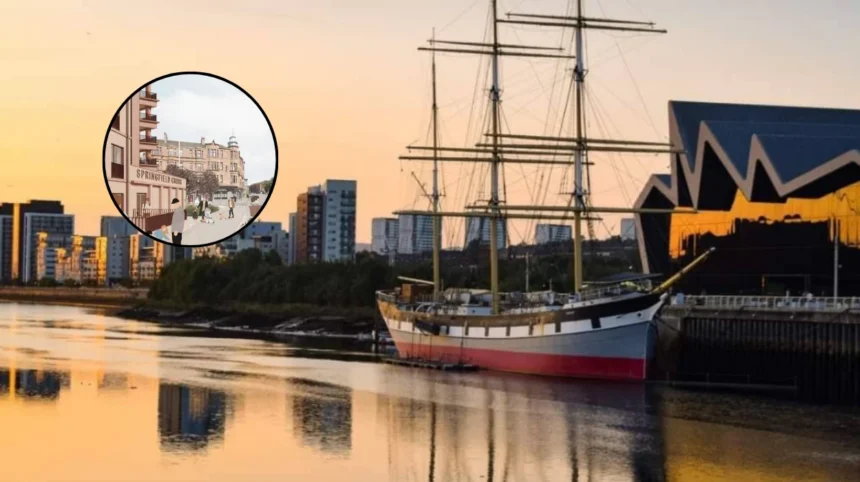
- Wheatley Homes, Scotland’s largest social landlord, has submitted plans to Glasgow City Council for over 150 new homes on a vacant brownfield site at Springfield Cross in Glasgow’s east end, adjacent to the Glasgow International Arena.
- The development aims to regenerate the area and address Glasgow’s shortage of affordable housing.
- The site is currently described as vacant and visually detracting, with the proposal seeking to transform it into a high-quality residential environment.
- Plans highlight the scheme as a valuable opportunity to repair the urban fabric of the surrounding neighbourhood.
Glasgow (Glasgow Express) May 12, 2026 – Glasgow’s east end could soon see over 150 new homes built on empty land next to the Glasgow International Arena, as Wheatley Homes, Scotland’s largest social landlord, submits ambitious development plans to Glasgow City Council. The proposals, lodged recently, target the Springfield Cross site, a brownfield area long left vacant. This move comes amid ongoing efforts to tackle the city’s pressing need for affordable housing.
- Key Points
- What Plans Have Been Submitted for the Springfield Cross Site?
- Who Is Wheatley Homes and Why This Location?
- How Does This Fit into Glasgow’s Housing Challenges?
- What Are the Key Features of the Proposed Residential Environment?
- What Is the Planning Process for This Development?
- Background of the Springfield Cross Development
- Prediction: Impact on Local Residents and Housing Seekers
What Plans Have Been Submitted for the Springfield Cross Site?
What is the scale and purpose of Wheatley Homes’ proposal at Springfield Cross?
The application, submitted by Wheatley Homes to Glasgow City Council, outlines a residential development comprising more than 150 homes on the vacant plot. As detailed in the planning documents, the scheme presents “a valuable opportunity for regeneration and for addressing the city’s identified shortfall in affordable homes”. The proposal further states that it “will transform a currently vacant and visually detracting brownfield site into a high-quality residential environment, helping repair the urban fabric of the surrounding area”.
No specific breakdown of home types, such as the proportion of affordable units versus market-rate housing, has been detailed in the initial submission summary. The focus remains on the site’s potential to contribute to broader housing needs in Glasgow, where demand for social and affordable homes continues to outstrip supply.
Who Is Wheatley Homes and Why This Location?
Why has Wheatley Homes chosen the Springfield Cross site next to the Glasgow International Arena?
Wheatley Homes, recognised as Scotland’s largest social landlord, manages a vast portfolio of social housing across the country. The organisation frequently engages in new-build projects to expand its housing stock and support community regeneration. The Springfield Cross location, situated in Glasgow’s east end near the prominent Glasgow International Arena, represents a strategic brownfield opportunity. Brownfield sites like this are prioritised in urban planning for redevelopment, as they repurpose underused land within city boundaries.
The site’s proximity to the arena – a key venue for concerts, exhibitions and events – positions it in an area with good transport links and existing infrastructure. This alignment supports the council’s regeneration goals for the east end, a district historically marked by industrial decline but now targeted for renewal.
How Does This Fit into Glasgow’s Housing Challenges?
What role does this development play in addressing Glasgow’s affordable housing shortfall?
Glasgow faces a well-documented housing crisis, with official reports identifying a significant gap between available affordable homes and demand. Wheatley Homes’ proposal directly responds to this, framing the project as a means to bolster supply. The planning application underscores the initiative’s alignment with city-wide priorities, noting its capacity to deliver much-needed homes while enhancing the local environment.
Planning experts often highlight such projects as critical for cities like Glasgow, where population growth and economic pressures exacerbate housing shortages. The submission to Glasgow City Council marks the formal start of the approval process, which will involve public consultation and assessment by council planners.
What Are the Key Features of the Proposed Residential Environment?
How will the Springfield Cross site be transformed under the plans?
The application describes a shift from a “vacant and visually detracting” brownfield plot to a “high-quality residential environment”. This transformation is intended to integrate seamlessly with the surrounding urban landscape, repairing what planners term the “urban fabric”. While detailed designs, such as building heights, layouts or green spaces, await further disclosure in the full planning documents, the emphasis is on quality and regeneration.
Such developments typically incorporate modern standards for energy efficiency, community amenities and sustainable design, though specifics for this site remain pending council review. The location’s adjacency to the Glasgow International Arena suggests potential for vibrant neighbourhood amenities, drawing residents to cultural and leisure facilities.
What Is the Planning Process for This Development?
What happens next after Wheatley Homes’ submission to Glasgow City Council?
Following submission, Glasgow City Council’s planning department will validate the application before conducting a full assessment. This includes reviewing technical reports on traffic impact, environmental effects and community benefits. Public consultation periods allow residents, businesses and stakeholders to comment, ensuring local voices shape the outcome.
If approved, construction timelines would follow, potentially spanning years given the scale of over 150 homes. Wheatley Homes, as applicant, would lead delivery, drawing on its experience as Scotland’s largest social landlord. Rejections or modifications could arise if concerns over density, infrastructure or design emerge during review.
Background of the Springfield Cross Development
Springfield Cross has remained a vacant brownfield site for years, emblematic of post-industrial land in Glasgow’s east end. The area around the Glasgow International Arena has undergone phases of investment, including arena expansions and nearby commercial growth, yet residential development has lagged. Wheatley Homes’ involvement builds on its established presence in social housing, with previous projects demonstrating commitment to urban renewal. This proposal emerges against Scotland’s national housing emergency declaration, where councils like Glasgow actively pursue sites to meet targets. Historical planning records show Springfield Cross flagged for potential redevelopment, aligning with long-term east end masterplans.
Prediction: Impact on Local Residents and Housing Seekers
This development could increase affordable housing stock for east end residents facing high demand and limited options, potentially easing pressure on waiting lists managed by Glasgow City Council. Families and individuals seeking social homes may gain priority access through Wheatley Homes’ allocation processes, stabilising local communities. However, construction phases might temporarily disrupt traffic and noise near the arena, affecting nearby businesses and event-goers. Long-term, the high-quality residential environment could attract families, boosting local schools and shops, while enhancing property values in the vicinity. For housing seekers city-wide, it addresses part of Glasgow’s shortfall but requires complementary projects to fully meet needs.