Key Points
- The UK Supreme Court will sit in Glasgow for a rare four‑day hearing from May 18–21, 2026, with one headline case involving the Rogano restaurant dispute.
- The long‑running appeal involves Rogano’s owners, Forthwell Ltd, and its landlord, Pontegadea UK Ltd, owned by Spanish billionaire Amancio Ortega.
- Rogano has been closed since March 2020 after repeated flooding and pandemic related closures, with major flood damage reported between December 2020 and January 2021.
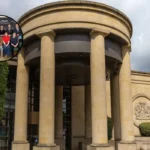
- The hearing is scheduled to take place during the Supreme Court’s sitting in Glasgow’s City Chambers and will examine complex legal and property questions affecting landlord‑tenant responsibilities.
- The case draws attention because Rogano is Glasgow’s oldest restaurant with significant cultural and historic value, noted for its 1930s Art Deco interior and celebrity clientele.
Glasgow (Glasgow Express) May 18, 2026 – The UK Supreme Court’s rare sitting in Glasgow this week includes a headline appeal in the long‑running legal dispute between Forthwell Ltd, the owners of the historic Rogano restaurant, and Pontegadea UK Ltd, the restaurant’s landlord owned by Amancio Ortega, which will return to the country’s highest court for a full hearing. The hearing, taking place during the Supreme Court’s May 18–21 sitting in Glasgow, will test complex questions about landlord obligations and the consequences of repeated flood damage that followed the restaurant’s initial pandemic closure in March 2020.
- Key Points
- What are the central legal issues the Supreme Court will consider in the Rogano case?
- Who are the parties involved and what are their positions?
- How significant is Rogano as a cultural and historic site in Glasgow?
- What timetable and court setting will frame the hearing this week?
- Background of the Rogano legal development
- How has the case progressed through the courts?
- Prediction:
- How could the ruling affect landlords, tenants and property law more widely?
- How will the decision matter to Glasgow’s local community and heritage interests?
As reported by BBC and other outlets, Rogano’s closure began as a pandemic measure in March 2020 and then turned into a prolonged shutdown after the restaurant suffered three significant flooding events between December 2020 and January 2021 that caused extensive damage to the premises. Those incidents prompted disputes over responsibility for repairs and for whether the landlord’s actions or inaction contributed to the scale and persistence of the damage, issues now central to the appeal before the Supreme Court.
What are the central legal issues the Supreme Court will consider in the Rogano case?
Court filings and reporting indicate the appeal raises detailed questions about the contractual and statutory obligations of a landlord and the remedies available to a tenant where repeated flooding causes prolonged closure and loss of business.
The court will be asked to interpret lease terms and the applicable legal principles that determine which party should bear the cost of repair, restoration and economic loss stemming from the floods, and whether the landlord met duties that might be imposed either by the lease or by the law.
Who are the parties involved and what are their positions?
The dispute is between Forthwell Ltd, which operates Rogano, and Pontegadea UK Ltd, the UK property arm of Amancio Ortega’s Pontegadea group, which is the landlord in the case.
Media coverage highlights that Forthwell seeks remedies tied to the damage and its consequences for the restaurant, while Pontegadea contests liability and the extent of any obligations to restore and to compensate for business losses under the lease terms and legal standards now before the Supreme Court.
How significant is Rogano as a cultural and historic site in Glasgow?
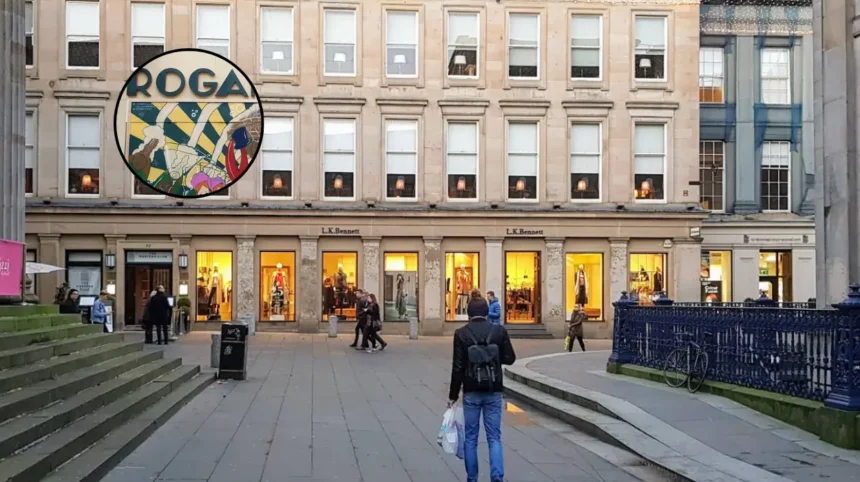
Rogano is well known in Glasgow as the city’s oldest restaurant, famed for its 1930s Art Deco interior and a long history of serving notable patrons; its prolonged closure has attracted public and media interest because of both the building’s architectural value and its place in Glasgow’s social life.
The fact the case involves such a recognisable local institution contributes to its profile as a headline item during the Supreme Court’s rare outside‑London sitting.
What timetable and court setting will frame the hearing this week?
The Supreme Court’s four‑day session in Glasgow runs from May 18 to 21, 2026, with the Rogano appeal listed for Wednesday during the City Chambers sitting; the UK Supreme Court sits outside London only occasionally, making the location an unusual procedural feature of this hearing.
The judges will hear arguments on lease interpretation and landlord‑tenant responsibilities, after which the court may reserve judgment before issuing a written decision at a later date.
Background of the Rogano legal development
Rogano closed in March 2020 at the outset of Covid‑19 restrictions, an initially temporary closure that became extended after three major flooding incidents between December 2020 and January 2021 caused substantial physical damage to the restaurant premises.
Those floods became the flashpoint for disagreement about responsibility for repairs and the financial fallout for Forthwell Ltd, prompting litigation that has proceeded through lower courts and now reaches the UK Supreme Court on appeal.
How has the case progressed through the courts?
Reporting shows the dispute has been litigated in the ordinary course through the courts below and has developed into a complex legal argument that raises questions about lease terms, obligations arising from property law, and the allocation of repair costs and financial losses following repeated flooding events.
The Supreme Court’s consideration signals that the appeal raises points of law of general importance beyond the immediate parties, making it suitable for the highest court’s attention.
Prediction:
If the Supreme Court finds in favour of Forthwell Ltd, the owners may be able to recover repair costs and possibly compensation for losses, which could support efforts to restore Rogano and potentially reopen the restaurant; conversely, if the court rejects the owners’ claims, Forthwell may face continued uncertainty over funding repairs and the viability of reopening, with direct consequences for employees and suppliers dependent on the business.
The decision will therefore materially affect any practical path to restoration, insurance positions, and the economic prospects for staff and the local hospitality supply chain tied to Rogano.
How could the ruling affect landlords, tenants and property law more widely?
A judgment clarifying the allocation of responsibility for repeated flood damage and the interpretation of lease obligations would set a precedent for how similar disputes are decided, affecting risk allocation in commercial leases and how landlords and tenants approach maintenance and disaster resilience in flood‑prone properties.
Landlords may review lease drafting and insurance arrangements, while tenants in comparable situations could rely on clarified principles when seeking remedies for property damage and business interruption.
How will the decision matter to Glasgow’s local community and heritage interests?
Given Rogano’s status as an iconic, historic restaurant, a ruling that facilitates repair and reopening could preserve an important cultural venue and support local tourism and civic identity, while a judgment that leaves the building’s future uncertain could raise concerns among heritage advocates and those who value the city’s architectural legacy. Local residents and cultural bodies will likely watch the court’s reasoning closely for its practical and symbolic implications for preserving historic commercial premises in the city.