Key Points
- Glasgow City Council has approved talks to sell the former Parkhead Library (also known as Carnegie Library) to a private company
- The building, located on Tollcross Road in Glasgow’s East End, closed earlier in 2025 when library services relocated to a new health hub on Duke Street
- Hector House (Glasgow) Ltd has submitted the only formal offer at £175,000 to purchase the B-listed building
- The proposed use includes a multi-purpose community and event space hosting seminars, community workshops, and meetings
- A dedicated function hall will be available for private and social events
- Parkhead Housing Association and LAR Housing Trust previously determined that converting the library to affordable housing was not financially viable
- The sale includes an offer for the adjoining “Steamie” building (former baths and wash house), progressing through separate approval
- Council officials believe the sale will bring the vacant historic building back into use while relieving future holding costs and maintenance liabilities
- The building was one of several Glasgow libraries opened following philanthropist Andrew Carnegie’s 1901 donation to Glasgow Corporation
- No specific conditions were imposed on the land acquired for Parkhead Library, according to the contracts and property committee report
Glasgow (Glasgow Express) June 12, 2026 – As reported by Erin McCullough of Glasgow Standard, council officials confirmed that
- Key Points
- Who is buying the former library and what price has been offered?
- Why did housing associations reject converting the library to residential use?
- What will the new community space include and how will it serve residents?
- What is the history of Parkhead Library and why is it significant?
- What about the adjoining ‘Steamie’ building and other sale details?
- How does this sale fit into Glasgow City Council’s broader strategy?
- When will the deal go before councillors and what approval process is required?
- Background of the Development
- Prediction: How This Development Will affect Glasgow East End Residents
“a report presented to Glasgow City Council’s contracts and property committee confirmed that the land acquired for Parkhead Library was not subject to specific conditions restricting its use”.
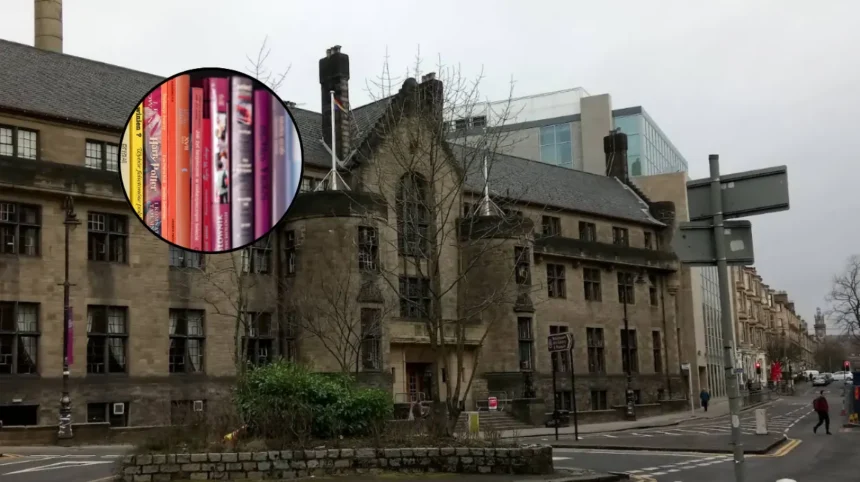
The former Parkhead Library, a B-listed building on Tollcross Road, was shut to the public earlier in 2025 as the library service moved into a new health and social care hub on Duke Street, according to STV News.
Who is buying the former library and what price has been offered?
As reported by Erin McCullough of Glasgow Standard,
“the only bid received for the property includes an offer of £175,000, with plans to transform the library into a venue for seminars, community workshops, and meetings”.
The potential buyer is Hector House (Glasgow) Ltd, a company which owns a care home in the southside of the city, as reported by STV News. The company has plans for a
“multi-purpose community and event space, which will host a range of events including seminars, community workshops and meetings,”
according to council officials cited by STV News.
Why did housing associations reject converting the library to residential use?
As reported by Erin McCullough of Glasgow Standard,
“Both Parkhead Housing Association and LAR Housing Trust explored the possibility of converting the library into residential accommodation but concluded that such a project was not financially feasible”.
Council officials noted that
“there was some interest in the property, particularly for event and religious purposes, but no viable proposals were submitted for affordable housing,”
according to the Glasgow Standard report.
STV News reported that officials also stated:
“Although there was a modest level of interest, mostly for event and religious use, upon the closing date only one offer was received”.
What will the new community space include and how will it serve residents?
As reported by Erin McCullough of Glasgow Standard, the bid includes plans to transform the library into
STV News reported that council officials said the company has plans
“for a ‘multi-purpose community and event space, which will host a range of events including seminars, community workshops and meetings'”.
Additionally, STV News noted that
“a dedicated function hall will be available to hire for private and social events and celebrations”.
As reported by Erin McCullough of Glasgow Standard, council officials hope that repurposing the library as a community and event space will
“‘ensure that the historic building remains a valuable asset for local residents'”.
What is the history of Parkhead Library and why is it significant?
As reported by Erin McCullough of Glasgow Standard,
“the building, which opened in 1901, was one of several libraries in Glasgow funded by businessman and philanthropist Andrew Carnegie”.
STV News confirmed that
“Parkhead library was one of several opened in the city following a donation by businessman and philanthropist Andrew Carnegie to Glasgow Corporation in 1901”.
As reported by Erin McCullough of Glasgow Standard,
“a report to the city’s contracts and property committee states ‘no specific conditions were imposed on the land acquired for Parkhead Library'”.
What about the adjoining ‘Steamie’ building and other sale details?
As reported by Erin McCullough of Glasgow Standard,
“the future of the adjoining ‘Steamie’ building, a former public baths and wash house, remains uncertain”.
STV News reported that
“officials also reported the bid included an offer for the ‘Steamie’ building, which is being progressed through a separate approval process”.
As reported by Erin McCullough of Glasgow Standard,
“although it was marketed for sale alongside the library, discussions are still ongoing regarding potential redevelopment options for the site”.
STV News stated that council officials believe
“the proposed sale will ‘enable a vacant historic building to be brought back into use whilst relieving Glasgow City Council of any future holding costs and maintenance liabilities'”.
How does this sale fit into Glasgow City Council’s broader strategy?
As reported by Erin McCullough of Glasgow Standard,
“the decision to sell Parkhead Library is part of Glasgow City Council’s broader strategy to repurpose historic buildings while addressing financial challenges”.
STV News noted that
“the bid includes an unconditional offer of £175,000 for the library”.
As reported by Erin McCullough of Glasgow Standard,
“the relocation of the library was previously approved as part of a wider effort to modernise and integrate public services in the area”.
The Glasgow Standard reported that
“the new hub on Duke Street, which now houses library services, aims to improve access to health, social care, and community support under one roof”.
As reported by Erin McCullough of Glasgow Standard, council officials hope the transformation
“aligns with ongoing efforts to maintain and adapt Glasgow’s historic buildings for contemporary community use”.
The Glasgow Standard concluded that
“the sale of Parkhead Library follows a trend of reusing heritage sites across Glasgow as the council want to balance historic preservation with modern community needs”.
When will the deal go before councillors and what approval process is required?
STV News reported that “a deal for the former library will go before councillors next week” following the initial announcement.
The building has been “marketed for sale” with offers sought for both the library and the adjoining Steamie building, according to STV News.
Background of the Development
The former Parkhead Library represents a significant piece of Glasgow’s cultural heritage, having opened in 1901 as part of Andrew Carnegie’s philanthropic donation to Glasgow Corporation.
The B-listed building on Tollcross Road served the East End community for over 120 years before its closure in early 2025. The library’s relocation to Duke Street’s new health and social care hub reflects Glasgow City Council’s modernization efforts to integrate public services under one roof.
The sale process began after the property was marketed with offers sought for both the library and the adjacent “Steamie” building (a former public baths and wash house).
Multiple interested parties emerged, including Parkhead Housing Association and LAR Housing Trust, who explored residential conversion options. However, both housing organizations determined that affordable housing conversion was not financially viable due to the building’s listed status and structural requirements.
Council officials reported receiving
“a modest level of interest, mostly for event and religious use”
during the marketing period. However, only one formal bid was submitted by the closing date. The sole offer came from Hector House (Glasgow) Ltd, a company with existing care home operations in Glasgow’s southside, proposing £175,000 for the community and event space conversion.
The Contracts and Property Committee reviewed the sale, confirming that no specific conditions restricted the land’s use following Carnegie’s original donation. This finding was crucial in allowing the library’s repurposing for non-library functions while maintaining its historic character.
The decision aligns with Glasgow City Council’s broader strategy to address financial challenges while preserving heritage assets.
Council officials emphasize that bringing vacant historic buildings back into use reduces ongoing maintenance costs and holding liabilities for the city, while ensuring these structures continue serving community needs in adapted forms.
Explore More Local Glasgow News
Tap Yard Takes Over Former Innis & Gunn Site Glasgow 2026
Barbie Exhibition Opens in Scotland for First Time 2026 Glasgow
Prediction: How This Development Will affect Glasgow East End Residents
The sale and repurposing of Parkhead Library will affect Glasgow East End residents in several measurable ways. Local residents will gain access to a multi-purpose community venue hosting seminars, workshops, and meetings that were not previously available in the immediate area.
The dedicated function hall available for private and social events will provide new options for community celebrations and gatherings.
Residents who previously relied on the library for traditional services will continue accessing those services at the new Duke Street health and social care hub, which integrates library services with health and social care under one roof.
This consolidation may improve convenience for residents seeking multiple services but could require travel to the new location.
The preservation of the historic B-listed building as a community asset rather than its conversion to residential use or potential neglect ensures the structure remains visible and functional in the neighborhood. This maintains the area’s architectural heritage while adapting it for contemporary community use.
The sale will reduce Glasgow City Council’s ongoing maintenance costs and holding liabilities for the vacant building.
This financial efficiency potentially allows council resources to be redirected to other community services or infrastructure improvements benefiting East End residents.
Community workshops and seminars at the new venue will provide educational and networking opportunities for local residents, potentially supporting skill development and community engagement. The multi-purpose nature of the space allows flexibility for various community groups and activities.
The uncertainty surrounding the “Steamie” building’s future means residents should monitor separate approval processes for potential additional redevelopment that could further impact the neighborhood’s facilities and character.