
Key Points
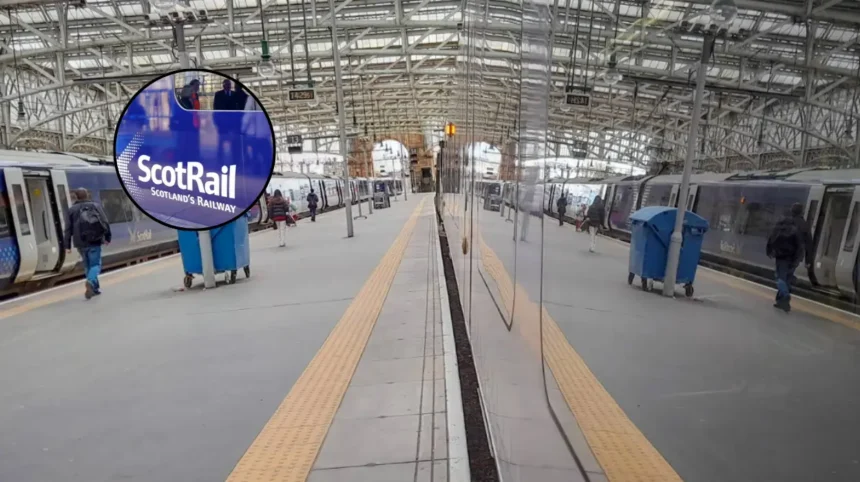
- ScotRail said morning rush hour services in Glasgow were cancelled because emergency services were dealing with an incident between Springburn and Robroyston.
- The Scottish Fire and Rescue Service said it was alerted by British Transport Police at 6.53am, with three appliances on scene by 7.50am.
- The Express, citing a British Transport Police spokesperson, reported that one person was taken to hospital with injuries described as life-changing.
- The National reported that the disruption affected rush hour trains in Glasgow, although the incident itself was being handled by emergency services and rail staff.
- STV News reported a separate Glasgow rail incident in another area, where a person was fighting for life after being hit by a train between Partick and Anniesland.
- Rail passengers were advised to expect cancellations, delays and service alterations while the incident was being dealt with.
Glasgow (Glasgow Express) June 8, 2026, morning rail services were disrupted after an emergency incident on the line between Springburn and Robroyston, with ScotRail warning passengers that trains would be cancelled, delayed or revised while emergency services worked at the scene.
As reported by the Express and attributed to a British Transport Police spokesperson, officers were called after reports of a person injured on the tracks, and the individual was taken to hospital with injuries described as life-changing.
The Scottish Fire and Rescue Service said it was first notified by British Transport Police at 6.53am and that three appliances were on site by 7.50am, showing the scale of the response in the early morning hours.
How did rail services respond?
ScotRail said the incident was affecting the route between Springburn and Robroyston, which meant passengers during the morning commute faced cancellations and delays across affected services.
The rail operator’s warning, carried in the reporting by the Express, made clear that services passing through the area could be altered until the emergency had been resolved.
The National’s coverage also highlighted that the disruption hit a key commuter period, when trains are normally busiest and replacement travel options can be limited.
What did emergency services say?
The Scottish Fire and Rescue Service confirmed that crews were working at the scene after being contacted by British Transport Police at 6.53am.
According to the Express report, a British Transport Police spokesperson said the call related to a person injured on the tracks, and that paramedics attended before the person was taken to hospital.
At this stage, the publicly reported information focused on the emergency response and the impact on services, rather than giving a full account of how the incident occurred.
Were other Glasgow services affected?
The reporting gathered here focuses on the Springburn to Robroyston incident, but it sits alongside other recent rail disruption in Glasgow that has also involved emergency incidents and line closures.
STV News separately reported a serious incident near Hyndland, where National Rail said services were disrupted because a person was hit by a train between Partick and Anniesland.
That separate case is not the same incident as the Springburn and Robroyston disruption, but it shows how quickly rail services across Glasgow can be affected when emergency responders are on the network.
Why does this matter for commuters?
The main impact is on people travelling into central Glasgow during the morning peak, especially those who rely on punctual rail services for work, school or appointments.
When a line is closed for an emergency incident, delays can spread beyond the immediate area because trains are held, altered or turned back to avoid the affected stretch.
For passengers, that usually means checking live updates before travelling and allowing extra time for the journey, particularly when the disruption begins early in the day.
Explore More Local Glasgow News
Glasgow Dads Feel Forgotten After Baby Loss 2026
Clydeside Expressway Crash Closes Lane Near Kingston Bridge; Glasgow 2026
Background of the development
Rail incidents that involve a person on the tracks usually trigger an immediate response from British Transport Police, the Scottish Ambulance Service and the fire service, because safety and access to the line become the first priorities.
In this case, the chronology reported by the Express and echoed by the Scottish Fire and Rescue Service suggests the alert came just before 7am, which is why the disruption hit the busiest part of the commuter window.
Glasgow rail routes have seen repeated disruption in recent months from emergency incidents, signalling faults and other line closures, making early-morning travel particularly vulnerable when something happens on the network.
Prediction
For commuters, the likely short-term effect is continued uncertainty until services are fully restored, with knock-on delays possible even after the line reopens.
For employers and passengers in Glasgow, incidents like this can cause late arrivals, rearranged travel plans and pressure on alternative transport routes during peak time.
If similar emergencies happen again, passengers can expect the same pattern of rapid cancellations, altered services and limited notice while emergency services remain on scene.