Key Points
- A residential drug and alcohol service in Glasgow run by Turning Point Scotland will close following a 14-month dispute over rent and repairs with City Property, the council-owned landlord.
- A nearby drug crisis centre will move into the same site; that crisis service will be taken over by Glasgow City Council and Glasgow City Health and Social Care Partnership (HSCP).
- Staff were told last Friday; 87 people are affected by the changes.
- Turning Point Scotland says rent on the crisis centre has doubled from £65,000 to £131,000 a year, and it has also faced large dilapidations bills.
- Glasgow HSCP says Turning Point indicated it could not continue the contract “on the basis of financial risk”, while Turning Point blames “commercially aggressive” landlord demands.
- City Property declined to comment on specifics, citing commercial sensitivity, but said it has been in ongoing dialogue seeking “viable solutions”.
- A service user, supported by Govan Law Centre, has raised a legal challenge alleging the rent and lease terms were unlawful and discriminatory.
- Scotland’s alcohol and drugs minister Maree Todd said the Scottish Government cannot intervene in the contract dispute but has met Turning Point and the council to seek a resolution.
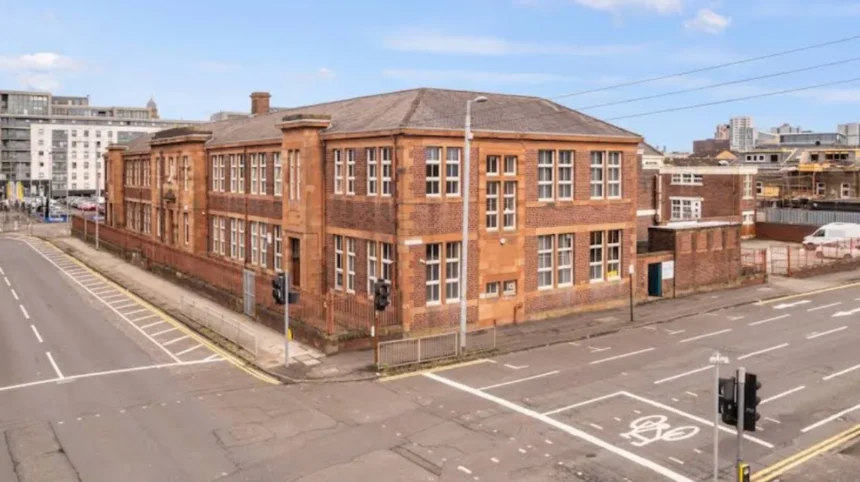
Glasgow (Glasgow Express) August 4, 2026 A residential drug and alcohol service in Glasgow’s Tradeston area, operated by Turning Point Scotland, is to close after a long-running financial dispute with its council-owned landlord, City Property. The closure follows 14 months of disagreement over rent increases and repair bills between the charity and City Property, an arms-length company that manages Glasgow City Council’s commercial properties.
- Key Points
- Why is the service closing and who is blaming whom?
- When will the services change and what happens next?
- What legal challenge has been raised over the rent dispute?
- What has the Scottish Government said?
- How have Turning Point Scotland and partners described the risk to services?
- What is the background to this development?
- What are the predictions for how this development could affect service users and the local drug treatment system?
As reported by BBC News, Turning Point Scotland will shut the residential service, while a nearby drug crisis centre will move to the same site instead. That crisis centre had also been run by Turning Point but will now be taken over by Glasgow City Council and Glasgow City Health and Social Care Partnership (HSCP). Staff were informed of the decision last Friday, with 87 people affected by the changes.
Why is the service closing and who is blaming whom?
Both Turning Point Scotland and Glasgow City HSCP have pointed to each other’s position in explaining the closure. Glasgow HSCP said Turning Point Scotland had:
“indicated that they are not able to continue with contract on the basis of financial risk”.
Turning Point, meanwhile, has described City Property’s approach as “commercially aggressive” and has warned that rising costs could put lives at risk if services are forced to cease.
Turning Point Scotland told the BBC its rent for the crisis centre had doubled from £65,000 to £131,000 per year, and it is also awaiting final confirmation of any rent rises or maintenance costs for the nearby residential centre. The charity has said the proposed new costs are “well beyond the funding provided to deliver services”. City Property declined to comment on a “commercially sensitive” arrangement, but indicated the main issues in the disagreement centred around lease terms.
When will the services change and what happens next?
The crisis service is expected to switch to the new arrangement in early October, while the stabilisation service contract is due to end on 24 October. Glasgow HSCP said the crisis centre:
“remains a priority” and will “transition with no intended gap in service”.
An evaluation of the impact will be conducted to assess the future of the stabilisation service.
City Property, which counts Glasgow City Council among its directors, said it has maintained regular dialogue with Turning Point to seek “viable solutions”, but would not disclose specifics due to commercial confidentiality. A spokesperson for Glasgow’s Health and Social Care Partnership said it has met and continues to meet with Turning Point Scotland and discussions are ongoing about how to find a resolution that allows continuation of service provision.
What legal challenge has been raised over the rent dispute?
The dispute has been raised with the Court of Session by a Turning Point client, acting via Govan Law Centre. The client, who said the charity “quite literally saved her life”, alleges the decision to impose commercial rent and lease terms was unlawful and discriminated against her and other disabled people in the city.
Govan Law Centre stated:
“It is our client’s position that this change in policy was unlawful and discriminated against her and other disabled people in the city. There was no equality impact assessment and no consultation before policy changes were decided.”
The law centre added:
“The fact that City Property is an arm’s length external organisation (ALEO) of Glasgow City Council does not exempt it from public law duties. It exercises public functions and is therefore subject to the 2010 Equality Act and 1998 Human Rights Act.”
City Property said it was aware of the legal proceedings and, given the formal legal process, would be unable to comment further until the matter is fully concluded.
What has the Scottish Government said?
Alcohol and drugs minister Maree Todd said the Scottish Government cannot intervene in any contract dispute, but has met with Glasgow City Council in an effort to resolve the issue. She said:
“I am aware of challenges facing this important service and have met the Turning Point chief executive and representatives from Glasgow City Council to seek to come to a resolution that safeguards the continuation of critical services for vulnerable people.”
How have Turning Point Scotland and partners described the risk to services?
Turning Point Scotland has warned that “lives could be put at risk” if its services are forced to cease operations due to the “aggressive” rent hikes. The charity runs two drug and alcohol services in Tradeston – the crisis centre, which supports people through urgent circumstances, and a residential service – and says it receives more than 1,000 referrals each year.
As reported by STV News, Turning Point Scotland has helped people with alcohol and drug issues in Glasgow for over 30 years and works primarily with disabled people, but also offers drug and alcohol services and support for homeless people. The charity has said discussions with partners have been ongoing for more than a year, but no solutions have yet been found.
Explore More Local Glasgow News
Glasgow Padel Courts Recommended for Approval in Pollokshields and Hillhead 2026
Scottish Water repair disrupts G3 Glasgow supply; Lynedoch Street works 2026
What is the background to this development?
Turning Point Scotland has operated services in Glasgow’s Tradeston on behalf of local authorities and the Scottish Government for more than three decades. The current dispute centres on a number of bills, including a doubling of rent for the crisis service when a new lease agreement comes into effect, and wider property liabilities such as dilapidations – costs tenants face relating to damage or redecorating a property to its original condition.
This incident marks the latest in a series of disputes regarding rent and repairs between City Property and charity tenants over the past year. In a separate but related case, following the closure of another service in February 2024, Turning Point Scotland was told to pay more than £800,000 by City Property Glasgow Investments for “extensive disrepair and rent arrears”, later reduced to around £690,000, which the charity described as “wholly disproportionate”.
What are the predictions for how this development could affect service users and the local drug treatment system?
If the residential service closes and the crisis centre moves to new management, service users in Glasgow may face uncertainty during the transition, even if providers aim for “no intended gap in service”. People who rely on Turning Point’s residential stabilisation placements could lose access to a familiar, specialist environment, potentially affecting engagement with treatment and increasing pressure on other parts of the city’s drug and alcohol system.
For the wider audience of people with drug and alcohol issues in Glasgow, the outcome could set a precedent for how council-owned landlords negotiate with third-sector providers, influencing future lease terms and funding models for crisis and residential services. If the legal challenge succeeds, it could lead to changes in how rent and dilapidations are applied to charities delivering public health functions, potentially reshaping relationships between ALEOs and social care providers across the city. If it fails, providers may face tighter commercial terms, which could force further service reconfigurations or closures unless additional public funding is secured.