Key Points
- An easyJet flight traveling from Larnaca to Glasgow experienced an unexpected diversion to Amsterdam on October 6.
- The diversion was triggered because a passenger onboard required urgent medical assistance.
- Following the landing in Amsterdam, the operating flight crew reached their legal, safety-regulated operating hours limits.
- Due to the crew timing out, the flight was unavoidably delayed overnight in the Dutch capital.
- EasyJet reported extremely limited hotel and accommodation availability in Amsterdam at the time, prompting them to advise affected passengers to book their own lodgings for later reimbursement.
- The airline officially apologized for the disruption while maintaining that safety remains their absolute highest priority.
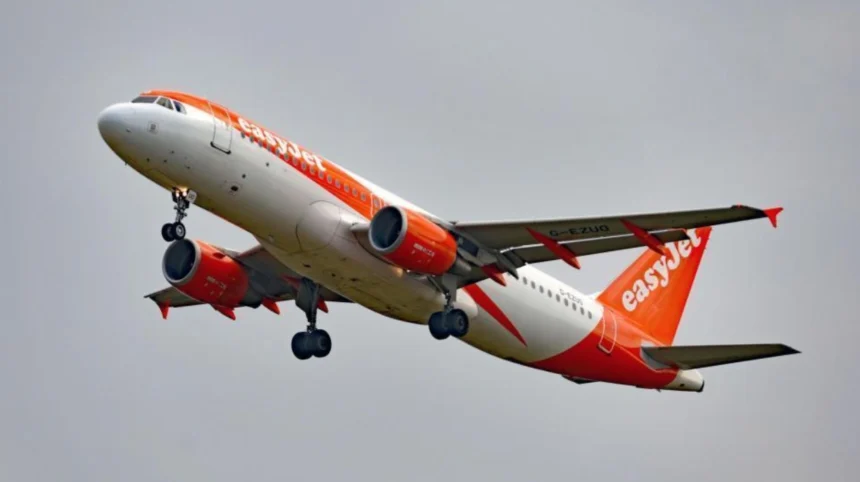
Glasgow (Glasgow Express) October 7, 2026 – An easyJet flight operating between Larnaca and Glasgow was forced to make a sudden and unplanned emergency diversion to Amsterdam after a passenger fell seriously ill mid-air, creating a domino effect of operational hurdles that left hundreds of travellers stranded overnight. Flight EZY3170, which took off from Cyprus with a final destination of Scotland, had to abruptly alter its flight path on October 6 to ensure the stricken individual received prompt medical attention on the ground. However, the resulting delay pushed the flight deck and cabin crew past their strict legal working hour limits, grounding the aircraft in the Netherlands until a fresh crew could legally take over, leading to widespread logistical challenges for passengers trying to find accommodation in a tightly booked city.
Why did easyJet flight EZY3170 divert to Amsterdam?
The unexpected interruption to the routine journey began when a passenger onboard flight EZY3170 required immediate medical intervention while cruising toward Scotland. In response to the escalating health situation, the flight crew made the swift decision to prioritize human wellbeing over schedule adherence, executing an emergency diversion to Amsterdam Airport Schiphol. Medical professionals met the aircraft upon its touchdown to handle the urgent situation, but the necessary diversion ate heavily into the working time allotted to the aviation personnel under international safety regulations.
How did crew working hours impact the Glasgow-bound passengers?
Aviation laws strictly govern the maximum hours pilots and cabin crew members can remain on duty to prevent fatigue-related hazards. Because the medical diversion extended the duration of the operational shift beyond legal parameters, the crew could no longer legally fly the remaining leg to Glasgow. Consequently, the aircraft was grounded overnight in Amsterdam, forcing the airline to manage an unexpected logistical hurdle.
An easyJet spokesperson addressed the situation, stating that flight EZY3170 from Larnaca to Glasgow on October 6 was required to divert due to a customer requiring urgent medical assistance, which subsequently led to the crew reaching their safety-regulated operating hours and resulting in an overnight delay. The airline representative emphasized that the safety and wellbeing of customers and crew remain easyJet’s highest priority, and that the company did everything possible to support those impacted by the unexpected turn of events.
What support was provided to stranded passengers in Amsterdam?
Managing an overnight delay for an entire planeload of passengers is a complex task, made significantly harder by local conditions in Amsterdam. EasyJet noted that while they always attempt to directly source hotel accommodations, meals, and ground transport for displaced travellers, the availability of rooms in Amsterdam at that moment was exceptionally limited.
To mitigate the hardship, the airline adopted an alternative approach. The spokesperson explained that because there was very limited hotel availability locally, they advised any customers who sourced their own accommodation, meals, or transport that they would be fully reimbursed by the airline upon submitting their receipts. EasyJet concluded its statement by formally acknowledging that while the medical emergency and subsequent crew timing restrictions were entirely outside of their control, they offered sincere apologies for the significant inconvenience caused to everyone onboard.
Background of the Development
Emergency flight diversions due to medical emergencies are a routine yet critical protocol in commercial aviation. When a passenger suffers a severe health crisis at 35,000 feet, flight crews must balance the gravity of the medical situation against flight logistics, often choosing the nearest suitable airport to save a life. However, these medical diversions frequently intersect with strict European and international aviation safety regulations concerning Flight Time Limitations (FTL).
Aviation authorities mandate rigid caps on crew duty periods to mitigate fatigue, which is a major risk factor in aviation safety. When a diversion occurs, the time spent descending, landing, waiting for medical services, and taxiing counts against the crew’s legal maximum shift length. If this window closes before the flight can become airborne again, airlines face mandatory groundings. In busy European aviation hubs like Amsterdam, sudden influxes of hundreds of stranded passengers can easily overwhelm local hotel capacity, frequently forcing airlines to rely on passenger self-booking and reimbursement models.
Prediction
This incident is expected to prompt renewed administrative friction and customer service inquiries regarding how budget airlines manage sudden mass-disruption logistics in high-occupancy European cities. For the affected passengers travelling to Glasgow, the immediate impact includes physical exhaustion, missed personal or professional commitments in Scotland, and the temporary financial outlays required to pay upfront for scarce Amsterdam hotel rooms before navigating the airline’s reimbursement pipeline.
Over the broader term, events like flight EZY3170 highlight the vulnerability of tight airline scheduling margins when unexpected medical or weather-related interruptions occur. While airlines are legally protected when delays stem from extraordinary circumstances like medical emergencies, passengers will likely continue to pressure carriers for more robust, on-the-ground support networks in major transit hubs to avoid the stress of sourcing emergency accommodation independently.