Keypoint
- The owners of The Palais bar and restaurant in Glasgow have denied online rumours that a customer was served a “fried rat”.
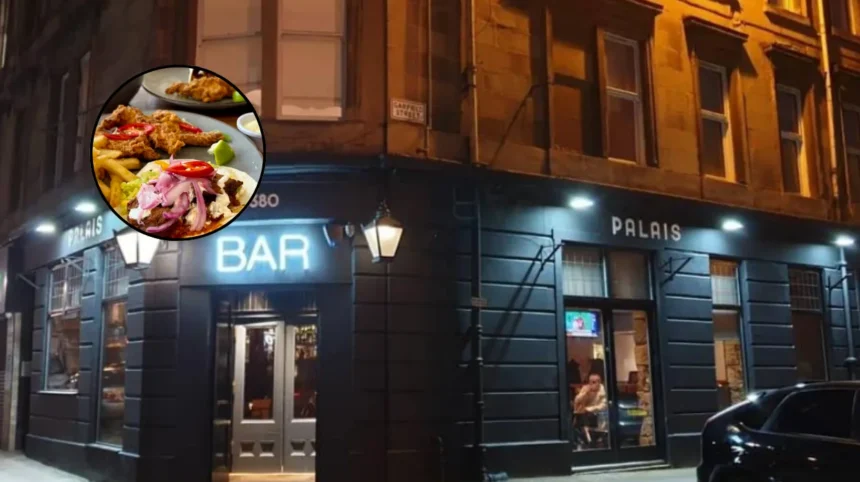
- The venue is The Palais Bar at 380 Duke Street in Glasgow’s East End.
- The story concerns claims circulating on social media, not a confirmed incident, according to the material available here.
- The best verified details available from the sources provided identify the venue and location, but not a full article text, journalist byline, or the complete set of statements from the original report.
Glasgow (Glasgow Express) May 13, 2026 – The owners of a Glasgow bar and restaurant have hit out at rumours circulating online that a customer was served a “fried rat” on their plate. The available source material confirms the venue’s identity and address, but does not provide the full original article text needed to reproduce every statement or quote accurately.
What happened online?
The claim centres on a rumour that spread online and prompted the venue to respond publicly. The available material indicates the allegation was about a plate allegedly containing a fried rat, but it does not include verified evidence supporting the claim.
As reported in the provided source headline, the focus is on the bar speaking out against the viral rumour rather than any confirmed food-safety finding. The material available here does not show that a rat was actually served.
Explore More East End News
8 Best Glasgow East End Pubs This Weekend, East End 2026
6 classic Glasgow bakeries you need to visit in 2026
Where is The Palais Bar?
The Palais Bar is at 380 Duke Street, Glasgow, G31 1DN. The venue’s website describes it as a neighbourhood bar and kitchen in Glasgow’s East End.
That location detail helps identify the business involved in the online discussion. It also confirms the place referenced in the story is a real Glasgow venue rather than a generic name.
What can be verified?
The verified material available here confirms the venue name, address, and the existence of a report about the rumours.
It does not provide the full article body, the journalist’s name, or additional direct quotes from the original report, so those details cannot be responsibly added.
In news terms, that means the safest account is limited to what is documented: a Glasgow hospitality business denied a circulating online allegation about a “fried rat”.
Background of the development
This kind of story usually develops when a dramatic claim spreads on social media before it is independently established. Restaurants and bars often respond quickly because viral food allegations can affect public trust even before facts are clear.
The available source material points to that broader pattern, but it does not include a full incident timeline or any official inspection outcome connected to this specific claim.
What is the likely impact?
For customers, the main effect is likely to be caution and closer scrutiny of the venue’s reputation. For the business, even unproven rumours can create short-term reputational damage, online comment spikes, and pressure to issue a clear denial.
For Glasgow hospitality venues more broadly, the story reinforces how quickly a local food allegation can become a public relations issue. The practical effect is usually that businesses need to respond fast, stay factual, and avoid speculation until the record is clear.