Key Points
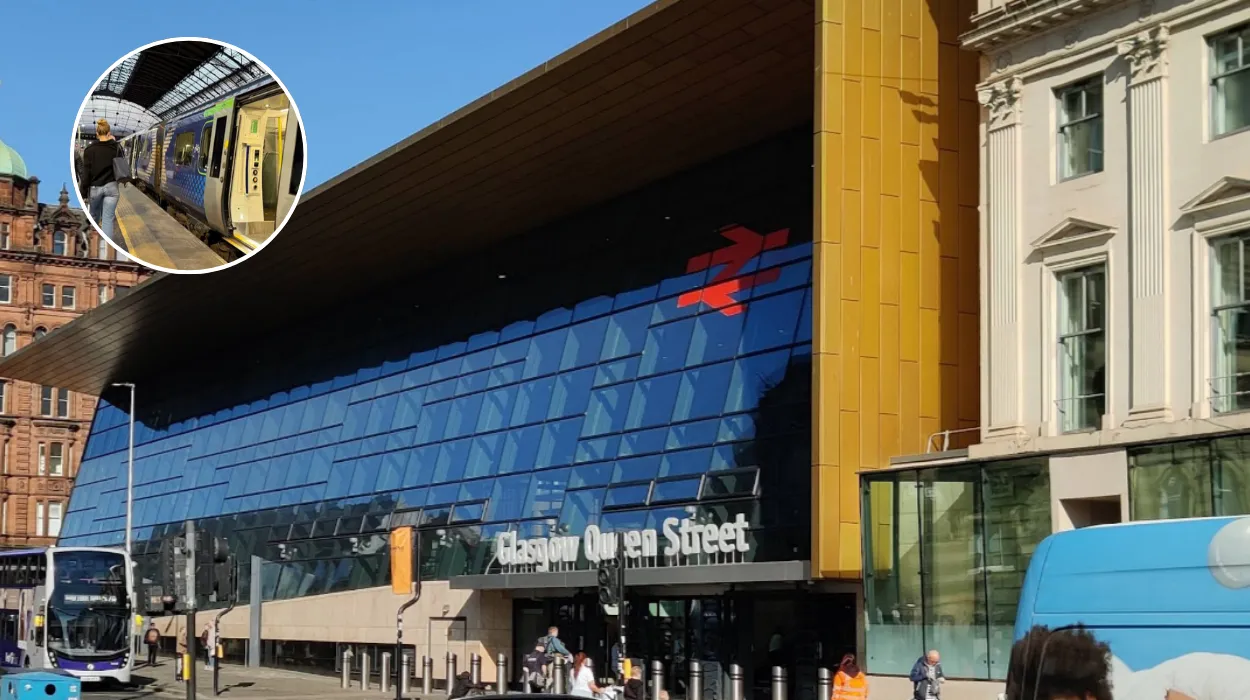
- Network Rail proposes a 430,000 square-foot mixed-use development on a 1.85-acre vacant site next to Glasgow Queen Street station.
- The project includes a landmark sustainable office building, new station entrance from North Hanover Street, enhanced retail space, and public areas.
- Plans align with Glasgow’s 2030 City Centre Strategy and aim to improve connectivity to George Square and The Avenues public realm.
- The station serves around 15 million passengers annually, including thousands of football fans on matchdays, with public consultation planned for autumn.
- Development could support up to 350 jobs and represents public-private collaboration between Network Rail and blocwork.
Glasgow (Glasgow Express) February 4, 2026 – Network Rail has unveiled ambitious plans to transform a vacant site adjacent to Glasgow Queen Street station, Scotland’s third busiest rail hub used by circa 15 million passengers each year.
The proposals, developed in partnership with joint venture blocwork, feature a landmark office building setting new standards for sustainable offices, alongside station enhancements for better passenger experience.
What does the transformation involve?
According to Network Rail, the scheme will deliver around 430,000 square feet of commercial space across phases, starting with the office building on the 1.85-acre site. Plans also encompass a reworked entrance from North Hanover Street, expanded retail areas within the station, and improved public spaces to enhance connectivity to the redeveloped George Square and The Avenues.
Network Rail’s proposals align with Glasgow’s 2030 City Centre Strategy, aiming to regenerate the station quarter and unlock disused railway land at the city’s heart, as reported by CoStar and Time Out.
How will this benefit passengers and the city?
Glasgow Queen Street station handles millions of travellers annually, including thousands of football fans on matchdays for Celtic and Rangers fixtures. The £120 million ongoing redevelopment already promises expanded concourses, accessible entrances, and longer platforms, with these new plans building on that momentum, according to ScotRail and Network Rail updates.
What jobs and opportunities are expected?
The project could create around 350 direct, indirect, and construction jobs, plus skills and training opportunities, boosting Glasgow’s economic recovery amid recent office market deals by firms like Pinsent Masons and Grant Thornton.
What happens next in the planning process?
Proposal of Application Notices have been submitted to Glasgow City Council, with public consultation scheduled for autumn to gather feedback before planning decisions. Network Rail’s Group Property Director Robin Dobson stated: “It’s an exciting time for Glasgow as the city’s recovery gains momentum… The development is a great example of public and private sector collaboration, to deliver investment and community benefit.”
This initiative signals strong confidence in Glasgow’s future growth, transforming underused land into modern spaces for living and working while elevating the station’s role in the city centre.