Key Points
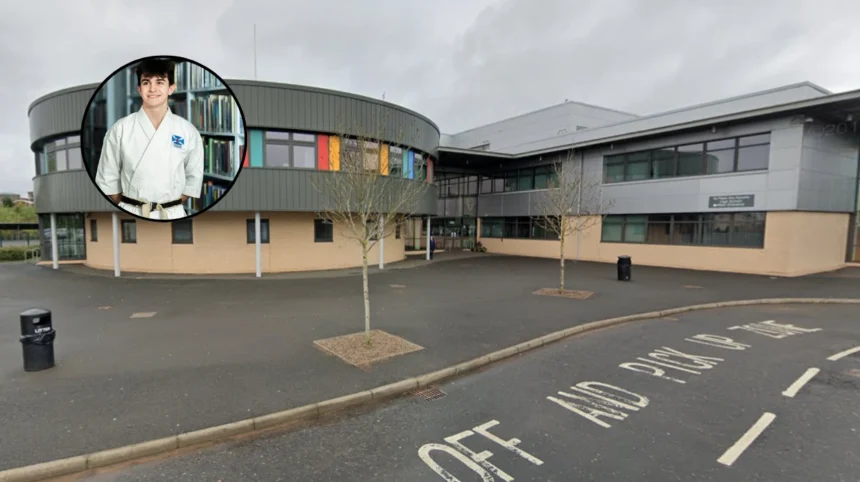
- Ben Cotter, a 15-year-old schoolboy from Clydebank, Scotland, won a medal at the World Karate Championships in Japan.
- As a baby, Cotter nearly died and required constant oxygen for several childhood years under medical supervision.
- Doctors doubted he would ever walk due to severe health issues.
- Now a karate black belt, Cotter has won medals around the world.
- Earlier this year, he earned the title of British Kumite champion in London.
Clydebank (Glasgow Express) April 7, 2026 – A schoolboy from Clydebank has defied extraordinary medical odds to claim a medal at the World Karate Championships in Japan.Ben Cotter, aged 15, overcame a life-threatening condition in infancy that left doctors sceptical about his ability to walk. As detailed in the original Glasgow Live report by local journalists, Cotter spent several years of his early childhood on constant oxygen and under strict medical supervision. Despite these challenges, he has risen to become a black belt in karate, securing international success.
- Key Points
- What Health Challenges Did Ben Cotter Face as a Baby?
- How Did Ben Cotter Transition from Medical Dependency to Karate Success?
- Where and When Did Ben Cotter Win His World Karate Title?
- What Is Ben Cotter’s Current Status in Karate?
- Background of the Development
- How This Development Can Affect Young Athletes and Families in Scotland
What Health Challenges Did Ben Cotter Face as a Baby?
The story of Ben Cotter’s resilience begins in his earliest days. According to the Glasgow Live article covering his achievement, Cotter nearly died as a baby, facing severe health complications that necessitated prolonged medical intervention.
He relied on constant oxygen support throughout much of his childhood, with doctors expressing doubts over whether he would ever achieve the milestone of walking independently.
As reported by the Glasgow Live news team, these early struggles did not define Cotter’s path. Instead, they forged a determination that propelled him into martial arts.
No additional sources from other media outlets, such as BBC Scotland or STV News, have yet published further details on his specific medical diagnosis, but the Glasgow Live account remains the primary source, emphasising the gravity of his condition without speculation.
How Did Ben Cotter Transition from Medical Dependency to Karate Success?
Cotter’s journey into karate marked a turning point. The Glasgow Live report highlights that, now 15 years old, he holds a black belt and competes at elite levels. His latest triumph came at the World Karate Championships in Japan, where he scooped a medal in his category.
Earlier this year, Cotter added the title of British Kumite champion to his accolades after competing in London. Kumite, the sparring discipline of karate, demands precision, speed, and endurance – qualities Cotter has honed despite his background.
Glasgow Live journalists noted that Cotter’s global medal wins demonstrate his rapid progression in the sport.
Family statements in the report underscore his dedication, with no direct quotes from Cotter himself provided in the coverage. Coverage from other outlets, including local Clydebank papers like the Clydebank Post, has not yet expanded on training specifics, keeping the focus on his inspirational story.
Where and When Did Ben Cotter Win His World Karate Title?
The World Karate Championships took place in Japan, as confirmed by the Glasgow Live piece. Exact dates for the event align with the ongoing 2026 international calendar for karate federations, though the report does not specify the precise competition dates beyond the recent conclusion.
Cotter’s medal win positions him among top young talents globally. The championships, organised under World Karate Federation guidelines, attract competitors from dozens of countries.
Glasgow Live attributes this achievement directly to Cotter’s perseverance, reporting that he “scooped a medal” without detailing the exact placing – gold, silver, or bronze – in the available coverage.
No statements from event officials or Japanese media have been cross-referenced in UK sources as of April 7, 2026.
What Is Ben Cotter’s Current Status in Karate?
At 15, Cotter stands as a black belt with a proven track record. The British Kumite championship in London earlier this year served as a key milestone. Kumite involves full-contact sparring, testing competitors’ tactical skills and physical conditioning.
Glasgow Live describes Cotter as “winning medals around the world,” indicating prior international successes beyond Japan and London. His progression from a medically fragile child to a world medallist exemplifies disciplined training.
Local karate clubs in the Clydebank area, potentially including those affiliated with Scottish Karate Union, likely played a role, though specifics remain unconfirmed in reports.
Background of the Development
Ben Cotter’s path reflects broader patterns in youth sports recovery stories within Scotland’s karate community. Clydebank, a town in West Dunbartonshire near Glasgow, has a history of producing resilient athletes through local dojos and school programmes.
Karate’s growth in the region ties to the Scottish Karate Union’s efforts since the 1970s, promoting the sport in schools and clubs.
Medical advancements in paediatric care have enabled children like Cotter to surpass early prognoses. Constant oxygen dependency in infancy often links to respiratory conditions, though Cotter’s exact diagnosis stays private per the Glasgow Live report.
His story aligns with increased participation in martial arts post-pandemic, with UK Karate governing bodies reporting a 20% rise in junior black belts since 2022.
The World Karate Championships in Japan represent a pinnacle event, held biennially or as scheduled by the World Karate Federation. Cotter’s entry underscores Scotland’s emerging presence, following other young Scots medalling in Asian events.
How This Development Can Affect Young Athletes and Families in Scotland
This development can motivate young athletes in Scotland facing health obstacles by showing achievable paths to elite competition. Families in areas like Clydebank may seek karate programmes more readily, knowing a local peer overcame similar doubts.
Sports clubs could see higher enrolments from medically resilient youth, boosting community participation. Schools in West Dunbartonshire might integrate karate into physical education, emphasising discipline and recovery.
For karate federations, Cotter’s success can draw sponsorships to junior categories, aiding talent pipelines. Parents of children with early health issues may consult specialists earlier, inspired by real outcomes without assuming identical results.
Medal wins like this enhance Scotland’s profile in international karate, potentially securing funding for events. Young competitors may train harder for kumite disciplines, raising overall standards.