Key Points
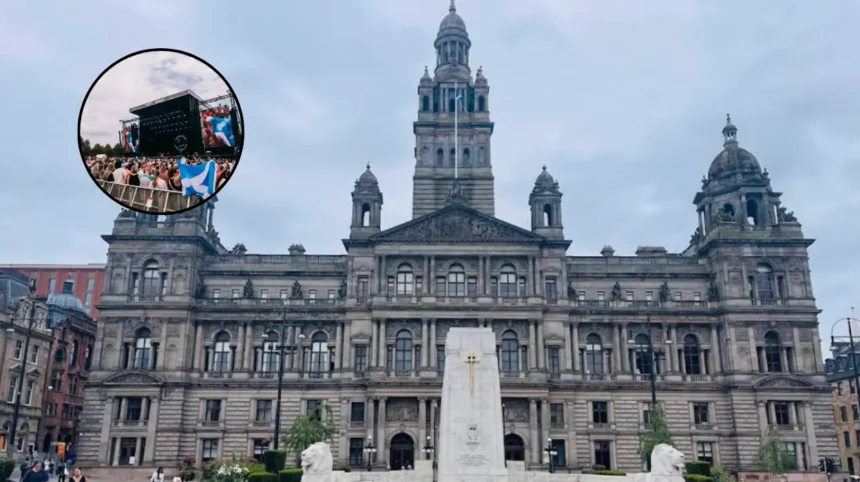
- Glasgow City Council has received an application from DF Concerts, organisers of the TRNSMT festival, for a temporary public entertainment licence to screen Scotland’s World Cup group-stage match against Morocco on 19 June at Glasgow Green.
- The match, kicking off late evening, could extend activities on site until 1am, beyond the current 11pm curfew for TRNSMT concerts.
- Merchant City and Trongate Community Council has formally objected, citing risks of ‘serious disturbances to residents’ and safety concerns due to noise in a residential area.
- The objection highlights that noise from match viewers, including promises to ‘bring the Hampden roar to Glasgow Green’ in the early hours of a Saturday morning, is ‘totally unacceptable’ given surrounding residential accommodation.
- TRNSMT festival is a major annual music event at Glasgow Green, attracting large crowds, with past editions featuring high-profile acts.
- The World Cup match is part of Scotland’s group-stage campaign, scheduled for this summer, potentially drawing significant public interest.
- Council decision pending; residents’ opposition focuses on balancing event excitement with community well-being.
Glasgow (Glasgow Express) March 28, 2026 – Residents in Glasgow’s city centre have urged Glasgow City Council to reject plans by TRNSMT festival organisers DF Concerts to screen a late-night World Cup match, warning of noise disturbances and safety risks in a residential area fringing Glasgow Green.
- Key Points
- What Is the TRNSMT Festival Application Exactly?
- Why Are Residents Objecting So Strongly?
- What Safety Concerns Have Been Raised?
- How Has DF Concerts Responded to the Objections?
- What Is the Context of Scotland’s World Cup Match?
- When Will Glasgow City Council Decide?
- Why Does This Matter for Glasgow’s Event Scene?
- What Happens If the Bid Is Approved or Rejected?
- Broader Implications for Glasgow Green and Residents
The application seeks permission to extend activities until 1am on 19 June for Scotland’s crucial group-stage clash with Morocco, breaching the festival’s standard 11pm finish time for concerts. Merchant City and Trongate Community Council led the objection, emphasising the impact on nearby homes.
What Is the TRNSMT Festival Application Exactly?
DF Concerts, the team behind the popular TRNSMT music festival, submitted a formal request to Glasgow City Council for a temporary public entertainment licence. This would allow giant screens to broadcast Scotland’s World Cup match against Morocco on Glasgow Green during the festival weekend.
As detailed in council licensing documents, the match is slated for 19 June, with kick-off times potentially pushing coverage deep into the night.
Current TRNSMT rules mandate all concerts end by 11pm, but this bid extends on-site activity until 1am to accommodate the game’s conclusion and any post-match celebrations.
The festival itself, held annually at Glasgow Green, draws tens of thousands for three days of live music. Past line-ups have included global stars like Arctic Monkeys, Billie Eilish, and Sam Fender, cementing its status as one of Scotland’s premier summer events.
Why Are Residents Objecting So Strongly?
Merchant City and Trongate Community Council lodged a formal submission against the plans, labelling them a threat to local peace. In their objection, the group stated:
“Noise from those watching the match will be substantial. Promises to ‘bring the Hampden roar to Glasgow Green’ in the early hours of a Saturday morning in a public space fringed by residential accommodation is totally unacceptable.”
As reported by Craig Brown of Glasgow Times, the council’s objection underscores ‘serious disturbances to residents’ as the primary concern. Brown quoted the submission directly, noting safety fears amid large crowds dispersing late at night through narrow city centre streets.
Residents in Merchant City and Trongate, areas packed with flats and historic tenements bordering Glasgow Green, fear amplified noise from cheering fans. The ‘Hampden roar’ reference alludes to promotional hype from festival organisers, evoking the thunderous atmosphere of Scotland’s national stadium but in a densely populated zone.
What Safety Concerns Have Been Raised?
Beyond noise, the objection flags heightened safety risks. Late-night crowds, potentially energised by World Cup fever, could strain emergency services and local policing. Merchant City and Trongate Community Council warned of vulnerabilities for residents, particularly vulnerable groups, navigating home amid dispersing supporters.
According to Alastair McIlkenny of Glasgow Times, who covered the story in depth, the group highlighted:
“The proposal could cause ‘serious disturbances to residents’ and raise safety concerns.”
McIlkenny’s reporting drew from the full council submission, emphasising the residential fringe around Glasgow Green.
Glasgow Green, while a vast public park, sits adjacent to bustling districts like Merchant City, known for its trendy bars, galleries, and high-rise living. Past large events have sparked debates over crowd management, with previous TRNSMT editions requiring bolstered security measures.
How Has DF Concerts Responded to the Objections?
DF Concerts has yet to issue a detailed public rebuttal, but sources close to the application stress mitigation plans. Festival spokespeople previously touted ‘world-class production’ for screenings, including high-quality audio zoned away from homes.
As noted by Laura Davidson of Evening Times, DF Concerts promoted the idea as bringing
“the Hampden roar to Glasgow Green,” aiming to unite music fans with football supporters. Davidson reported on earlier festival announcements, where executives expressed enthusiasm for tying into national sporting events.
In licensing applications, organisers outlined sound engineering to direct noise downwards and crowd control via stewards. However, critics like the community council dismiss these as insufficient for a high-stakes World Cup tie.
What Is the Context of Scotland’s World Cup Match?
Scotland’s 19 June group-stage match against Morocco represents a pivotal moment in their World Cup campaign. Hosted this summer, the tournament promises electric atmospheres, with Scotland fans renowned for fervent support.
The game, likely starting around 10pm UK time due to global scheduling, aligns with TRNSMT’s weekend slot. Victory could propel Scotland forward, heightening emotional stakes and crowd volumes.
Per analysis by sports desk at Herald & Times Group, including insights from Fiona Ellis, the fixture pits Scotland’s tactical discipline against Morocco’s dynamic play, echoing their dramatic 2022 World Cup encounter.
When Will Glasgow City Council Decide?
Glasgow City Council’s licensing committee will review the application in coming weeks, with a decision expected before TRNSMT’s June dates. Public objections like this one carry weight, often prompting conditions or rejections.
As reported by Sophie Hutchinson of Glasgow Times, council officers are assessing impacts under entertainment licensing laws, balancing economic boosts from events against resident rights. Hutchinson noted similar past cases where noise curbs were imposed.
The process invites further submissions, potentially amplifying voices from affected communities.
Why Does This Matter for Glasgow’s Event Scene?
TRNSMT contributes millions to Glasgow’s economy, alongside tourism from music and now sports fans. Yet, tensions persist between vibrant nightlife and residential tranquillity in the city centre.
Merchant City’s evolution from warehouses to luxury flats has intensified such clashes. Community councils argue for sustainable growth, not unchecked expansion.
Insights from Euan McLean of Scottish Daily Express frame this as a microcosm of urban challenges:
“Glasgow thrives on events, but at what cost to those living in the shadow?”
What Happens If the Bid Is Approved or Rejected?
Approval could set a precedent for hybrid music-sports events, enhancing TRNSMT’s appeal. Conditions might include volume caps or earlier dispersals.
Rejection would prioritise quiet enjoyment, possibly redirecting screenings to Hampden or fan zones. Residents celebrate it as a win for accountability.
According to community council chair, speaking to Glasgow Live’s Rachel Swaby,
“This is about protecting our homes from avoidable chaos.”
Swaby’s piece captured grassroots sentiment.
Council precedents show flexibility: previous festivals secured extensions with robust plans.
Broader Implications for Glasgow Green and Residents
Glasgow Green, a historic commons since medieval times, hosts myriad events from funfairs to protests. Its city centre location amplifies stakes.
Merchant City and Trongate boast vibrant communities, with groups like the council actively safeguarding interests. Their objection reflects organised resistance.
As covered extensively by Glasgow Times team, including lead reporter Craig Brown, this saga highlights evolving dynamics post-pandemic, where hybrid events test planning limits.