
Key Points
- Glasgow City Council faces projected costs of up to £66 million for refugee housing in 2026/27, with net costs already at £14.6 million.
- Council leader calls for urgent Home Office support amid strain on homelessness services from asylum seekers dispersed from other UK cities.
- Homelessness applications in Glasgow have risen by over 3,500 per cent in three years, partly due to refugee influx.
- Proposals include pausing dispersals to Glasgow and halting requirements to house refugees from outside Scotland to cut costs.
- Glasgow houses 4,023 asylum seekers, the highest number in the UK.
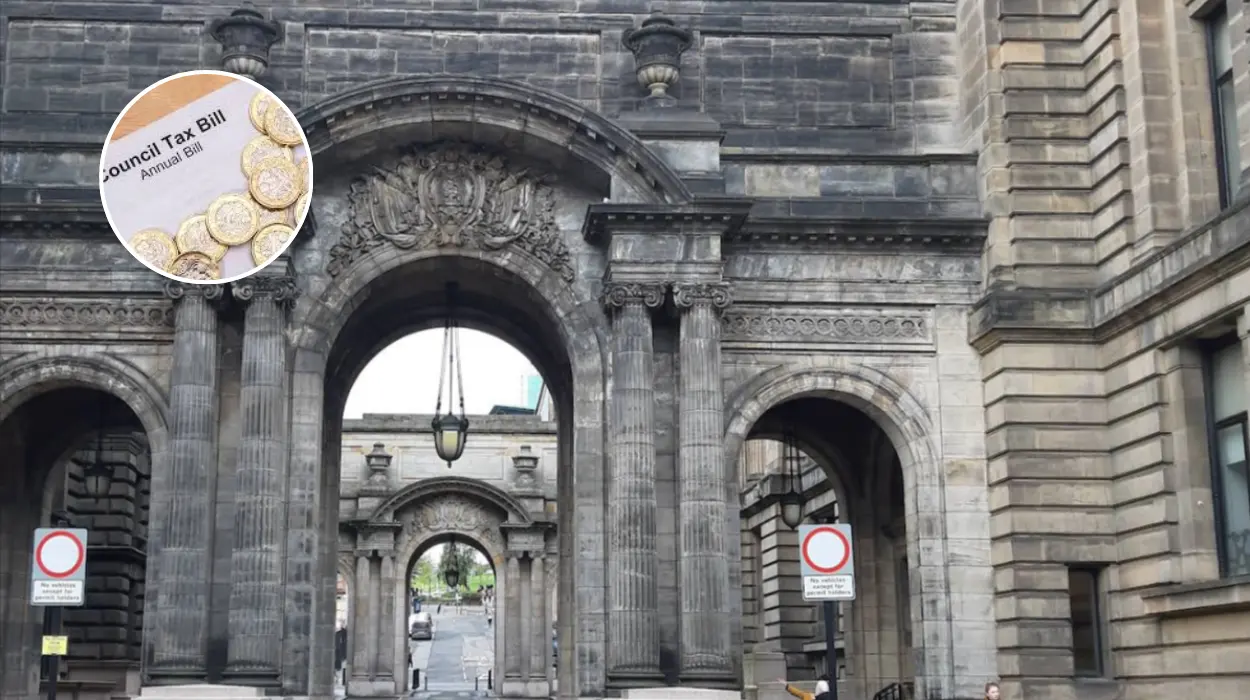
Glasgow (Glasgow Express) February 18, 2026 – Glasgow City Council is considering a 5 per cent council tax rise to cover a mounting refugee housing bill projected to reach £66 million next year.
The forecasts, presented to councillors this week, reveal net costs of £14.6 million so far, expected to climb to £43 million in 2025/26 and £66 million in 2026/27 without policy changes. Around 12.4 per cent of homelessness applications now involve recognised refugees from outside Scotland, with estimates suggesting nearly half by next year from cities like London and Manchester. Each refugee household in temporary accommodation incurs high costs, such as £30,000 annually for a B&B placement.
What is driving Glasgow’s refugee housing crisis?
Glasgow remains the UK’s largest host of asylum seekers, accommodating 4,023 people or 65 per 10,000 residents, according to a House of Commons briefing. Officials attribute the pressure to asylum seekers dispersed from England and other parts of the UK, overwhelming the city’s homelessness services. Projections indicate that pausing these dispersals and exempting Glasgow from housing refugees from outside Scotland could reduce costs to £36 million next year and £13 million by 2026/27.
As reported by Scottish Housing News, Council Leader Susan Aitken has urged the Home Office for immediate support, stating that while Glasgow is proud of its refugee support record, Whitehall must provide more assistance.
How have politicians responded to the rising costs?
The Scottish Conservatives have criticised SNP policies as virtue-signalling, linking them to a 3,500 per cent surge in Glasgow’s homeless applications over three years, revealed in a Freedom of Information request. They argue these policies exacerbate community pressures in Scotland’s biggest city, known as the UK’s asylum capital. Council leaders previously appealed to the Home Office, leading to a temporary pause on new asylum applications and more even dispersal across Scotland by the Mears Group.
What measures has Glasgow taken so far?
Glasgow put a hold on asylum applications after repeated requests for meetings with the Home Secretary went unanswered, aiming to ease unprecedented pressure on public services. Tensions have risen, with recent protests in nearby Falkirk involving clashes over asylum housing. Aitken emphasised that refugees are not to blame, highlighting Glasgow’s long history of welcoming migrants.
What are the potential next steps for council tax and support?
Councillors will review the forecasts this week, weighing options like the proposed tax increase against pleas for UK government intervention. Policy shifts could mitigate the financial burden, but ongoing dispersal practices threaten further escalation. Voters face Holyrood elections in May, where housing proposals, including Conservative plans for 80,000 new homes, may influence outcomes.
Glasgow’s situation underscores broader UK challenges in balancing asylum duties with local resources, as reported across multiple outlets.