Key Points
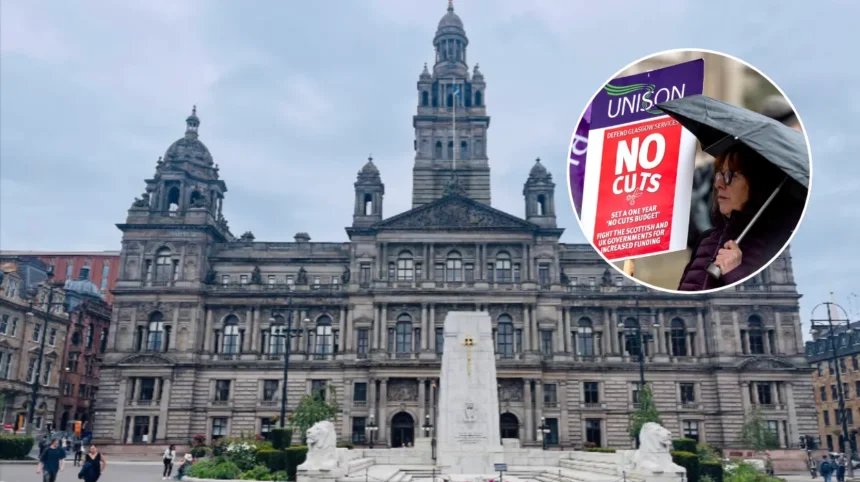
- Council tax in Glasgow is set to rise by between 5% and 6%, following an agreement between the SNP and Greens to pass the 2026/27 budget.
- Free school meals will be extended to all children in Primary Seven (P7).
- The council plans increased investment in cleansing services, including more gully cleaning to prevent flooding.
- SNP councillor Ricky Bell, the city’s treasurer and depute leader, confirmed the deal with the Green group ahead of a Tuesday budget meeting.
- The council will borrow money, enabled by the Scottish Government’s allowance to use capital grant for borrowing costs, to address a £36.8m spending gap.
- Glasgow faces a homelessness bill estimated at £56m in the coming financial year, driven by high demand for accommodation.
- Monthly spending on unsuitable B&Bs or hotels for the homeless reaches around £4.5m.
- Approximately half of homelessness assistance demand comes from refugees.
- The council has sought discussions with both the UK Government and Scottish Government on the homelessness crisis.
- Councillor Ricky Bell described the homeless crisis as “not of Glasgow’s making” and borrowing as a “one-year solution to get us through this tricky position.”
- On the council tax rise, Bell noted the authority is “very, very conscious that everybody is in a cost of living crisis,” with people working full-time or multiple jobs yet struggling.
- Bell aimed to keep the rise below a 6% “ceiling.”
- Additional funds will support health and social care services under the Integration Joint Board (IJB), which faces its own budget challenges next month.
Glasgow (Glasgow Express) February 23, 2026 – Council tax in Glasgow is poised to increase by between 5% and 6% after the SNP and Greens struck a deal to approve the city’s 2026/27 budget, addressing a severe financial shortfall amid a homelessness crisis.
- Key Points
- What Triggered the SNP-Green Budget Deal?
- How Will the Council Tax Rise Impact Residents?
- What Investments Are Planned for Public Services?
- Why Is Borrowing Necessary for the Budget?
- What Is Driving Glasgow’s Homelessness Crisis?
- Which Governments Have Been Approached for Help?
- How Does This Fit Broader Scottish Fiscal Challenges?
- What Do Critics Say About the Agreement?
- Timeline: When Will Changes Take Effect?
- Broader Implications for Glasgow Residents?
- Expert Context on Council Tax in Scotland
- Voices from the Council Leadership
- What Happens at Tuesday’s Meeting?
- Long-Term Outlook for Glasgow’s Finances?
This agreement, confirmed by SNP councillor Ricky Bell, the city’s treasurer and depute leader, comes ahead of a crucial council meeting on Tuesday. The budget includes expansions in social services but relies on borrowing to bridge a £36.8m gap, as Glasgow grapples with escalating costs.
What Triggered the SNP-Green Budget Deal?
The pact between the SNP and the city’s Green group ensures passage of the budget, averting potential deadlock. As reported across multiple outlets covering local politics, SNP councillor Ricky Bell stated he had reached an agreement with the Greens, paving the way for approval.
This collaboration highlights ongoing cross-party efforts in Scotland’s largest city to manage fiscal pressures. Coverage from Scottish media consistently notes the timing, just before the Tuesday meeting, underscoring the urgency.
How Will the Council Tax Rise Impact Residents?
The proposed 5% to 6% hike in council tax has been framed with sensitivity to economic hardships. Councillor Ricky Bell emphasised that the local authority was “very, very conscious that everybody is in a cost of living crisis.”
He added that people are
“working full time or having two or three jobs and still finding it difficult to make ends meet.”
Bell specified his intent to cap the increase below a 6% “ceiling,” balancing revenue needs with resident burdens.
News reports uniformly attribute this stance to Bell, reflecting broad awareness of household strains post-pandemic and amid inflation.
What Investments Are Planned for Public Services?
Key expansions include free school meals for all Primary Seven pupils, extending current provisions. The council also commits to bolstering cleansing operations, with enhanced gully cleaning aimed at mitigating flooding risks—a persistent concern in Glasgow’s urban landscape.
These measures form the positive core of the budget, as highlighted in initial announcements. Extra allocations target health and social care via the Integration Joint Board (IJB), which confronts its own stringent budget deliberations next month.
Why Is Borrowing Necessary for the Budget?
Glasgow faces a £36.8m spending gap, exacerbated by soaring homelessness costs projected at £56m for the upcoming financial year. This borrowing is facilitated by a Scottish Government decision allowing the council to redirect its capital grant towards borrowing expenses.
Councillor Ricky Bell described this as a “one-year solution to get us through this tricky position.” Such fiscal manoeuvres, enabled recently, provide short-term relief without immediate tax hikes beyond the agreed rise.
What Is Driving Glasgow’s Homelessness Crisis?
Demand for emergency accommodation has surged, with the council spending approximately £4.5m monthly on unsuitable options like B&Bs and hotels. Around half of all homelessness assistance requests stem from refugees, amplifying the strain on resources.
This crisis, deemed “not of Glasgow’s making” by Councillor Ricky Bell, traces to broader migration pressures and housing shortages. The depute leader’s comments, widely quoted, point to external factors beyond local control.
Which Governments Have Been Approached for Help?
The council has initiated talks with the UK Government and held discussions with the Scottish Government over the homelessness burden. These engagements seek additional support to offset the £56m forecast.
No specific outcomes from these dialogues have been detailed in reports, but they signal Glasgow’s proactive stance. Bell’s attribution of the issue to non-local causes underscores pleas for national intervention.
How Does This Fit Broader Scottish Fiscal Challenges?
Scotland’s councils, including Glasgow, navigate tight finances amid devolved powers and central funding constraints. The Scottish Government’s borrowing concession exemplifies targeted aid, yet local taxes remain pivotal.
Comparisons with other councils note similar pressures, though Glasgow’s scale—Scotland’s most populous city—magnifies impacts. The IJB’s looming budget woes further complicate integrated care funding.
What Do Critics Say About the Agreement?
While the deal secures the budget, opposition voices may challenge the tax rise and borrowing. Reports note no immediate Green statements beyond the pact, but SNP-Green alignments often draw scrutiny from Labour or Conservatives on fiscal prudence.
Neutral coverage awaits full council debate, where dissent could emerge on homelessness handling or service prioritisation. Bell’s reassurances aim to preempt backlash by acknowledging public struggles.
Timeline: When Will Changes Take Effect?
The budget faces formal approval on Tuesday, setting council tax notices for the 2026/27 year starting April. Free meals expansion and cleansing investments would follow swiftly, targeting immediate needs like flood prevention.
Homelessness measures hinge on borrowing approval, offering transitional relief. Health allocations support the IJB’s March budget, ensuring continuity.
Broader Implications for Glasgow Residents?
This budget underscores trade-offs: essential services versus tax pressures. With homelessness at crisis levels, refugee influxes, and cost-of-living woes, residents face compounded challenges.
Yet investments in schools, cleaning, and care signal priorities. As Scotland’s economic hub, Glasgow’s decisions ripple regionally.
Expert Context on Council Tax in Scotland
Scottish councils frequently adjust taxes amid funding shortfalls, with freezes rare post-2022. Glasgow’s hike aligns with trends, though below some projections.
The SNP-Green deal mirrors Holyrood dynamics, where minority administrations rely on pacts. Borrowing innovations reflect evolving fiscal tools.
Voices from the Council Leadership
Councillor Ricky Bell’s pivotal role permeates coverage. His quotes—”not of Glasgow’s making,” “one-year solution,” and cost-of-living empathy—frame the narrative.
As treasurer and depute leader, Bell’s confirmation lends authority. Green counterparts remain unnamed in core reports, focusing on the accord.
What Happens at Tuesday’s Meeting?
The full council convenes to ratify, potentially with amendments. Passage seems assured post-deal, but speeches may air grievances.
Live updates from local media will track proceedings, vital for implementation.
Long-Term Outlook for Glasgow’s Finances?
Sustained homelessness and care demands necessitate structural fixes. Ongoing government talks could yield aid, but local resilience is key.
This budget bridges immediate gaps, yet 2027/28 looms with uncertainties.