Key Points
- Glasgow City Council spent approximately £70 million on hotels and bed and breakfast (B&B) accommodation for homeless individuals during the previous year.
- This expenditure reflects a dramatic surge, with figures having more than tripled over the last four years.
- Approximately 2,773 homeless people were residing in such temporary accommodations at the time of the report, including 2,030 individuals identified as refugees.
- The Scottish Tenants Organisation released these figures through a Freedom of Information (FOI) request, advocating for a shift in resources toward permanent home construction.
- Projections indicate the financial burden is likely to escalate, with costs related to housing applications from refugees alone expected to reach £74 million by 2027-28.
- The local authority currently utilizes approximately 50 hotels and B&Bs to manage the urgent demand for shelter and prevent rough sleeping.
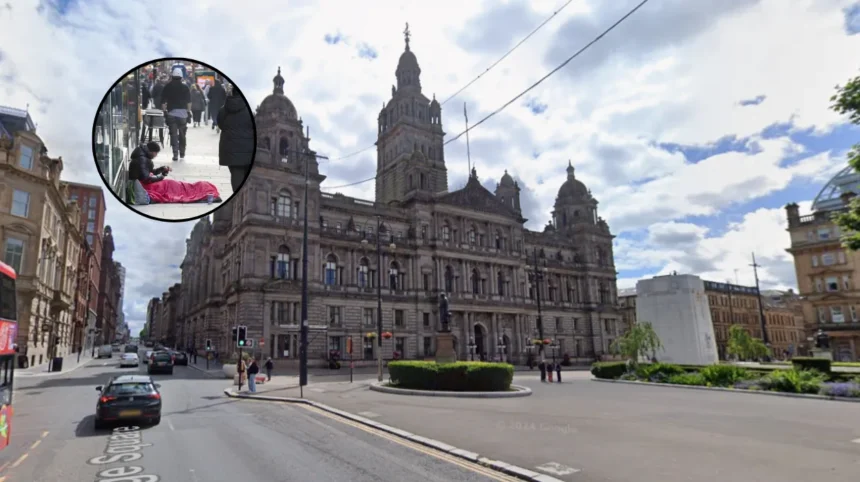
Glasgow City Council’s (Glasgow Express) May 2, 2025 Accommodation for the homeless has reached unprecedented levels, with spending rising to nearly £70 million last year. The figures, obtained via a Freedom of Information (FOI) request by the Scottish Tenants Organisation, highlight a significant escalation in the city’s housing crisis, with expenditure having more than tripled within the last four years.
- Key Points
- Why is Glasgow City Council spending millions on temporary accommodation?
- What are the implications of the rising refugee population on housing?
- What is the official response to the reliance on hotels?
- What is the background of this development?
- How will this development affect the local audience?
Why is Glasgow City Council spending millions on temporary accommodation?
As reported by the Daily Record, the council’s reliance on temporary shelter has become a necessity due to an acute shortage of available housing stock.
The local authority currently manages approximately 50 different hotel and B&B sites across the city to provide emergency shelter.
According to data retrieved by the Scottish Tenants Organisation, 2,773 homeless individuals were residing in these facilities at the time the FOI request was processed. Of that total, 2,030 individuals were identified as refugees.
What are the implications of the rising refugee population on housing?
The demand for housing in Glasgow is compounded by its status as the local authority housing the highest number of asylum seekers in the United Kingdom.
Reporting for the BBC, journalists noted that Glasgow accommodates more than half of the asylum seekers in Scotland, with 3,683 individuals currently receiving housing support.
The financial impact is substantial. Glasgow City Council reported that the costs associated with processing housing applications from refugees amounted to £38 million in 2025-26.
Local government projections suggest this figure is on an upward trajectory, anticipating an increase to £56 million in the following year and reaching £74 million by 2027-28.
What is the official response to the reliance on hotels?
The Scottish Tenants Organisation has been vocal in its criticism of the current expenditure, arguing that these substantial funds should be redirected toward the construction of permanent homes rather than subsidizing private hotel operators.
Advocacy groups and charity organizations have previously warned that relying on temporary accommodation can lead to vulnerable individuals being effectively “forgotten about” while in limbo.
The council has historically maintained that its use of B&Bs is a vital, albeit costly, measure to prevent street homelessness in a city where there is a significant shortfall in temporary furnished properties. Previous reports, such as those covered by
The Ferret, have highlighted how the council has struggled to balance emergency demand with available resources, often citing the immense pressure caused by the COVID-19 pandemic and subsequent economic instability.
What is the background of this development?
The current housing crisis in Glasgow is the culmination of several overlapping factors, including a long-standing shortage of social housing and the city’s significant role in the UK’s asylum dispersal system.
Over the past five years, the council has faced persistent challenges in sourcing adequate temporary housing for both local residents facing eviction and those seeking asylum.
In 2023, charity organizations like Shelter warned that proposed funding cuts to homelessness services would reverse progress made in providing stable housing solutions. Since then, the number of individuals requiring emergency shelter has continued to rise, forcing the council to increase its use of hotels from 37 sites in early 2025 to 50 sites by late 2025.
The high volume of demand has frequently exceeded the council’s capacity to place people, leading to instances where individuals have been denied accommodation, as recorded in various performance data reports between April and July 2025.
How will this development affect the local audience?
The continued reliance on hotels for homeless accommodation is expected to have multifaceted impacts on the people of Glasgow. For those seeking housing, the reliance on temporary, often unstable, accommodation may persist as long as the structural shortage of permanent homes remains unaddressed.
For the wider community, the ongoing use of hotels in residential areas has occasionally led to heightened social tensions, including protests and counter-demonstrations regarding the impact of asylum housing on local resources.
Furthermore, as a significant portion of the city’s budget is increasingly consumed by temporary accommodation costs, there may be ongoing pressure on other local services and council-funded community initiatives. The fiscal trajectory—with costs potentially reaching £74 million for refugee housing support alone by 2027-28—suggests that the council may face difficult decisions regarding budget allocation and the long-term sustainability of current homelessness strategies.