
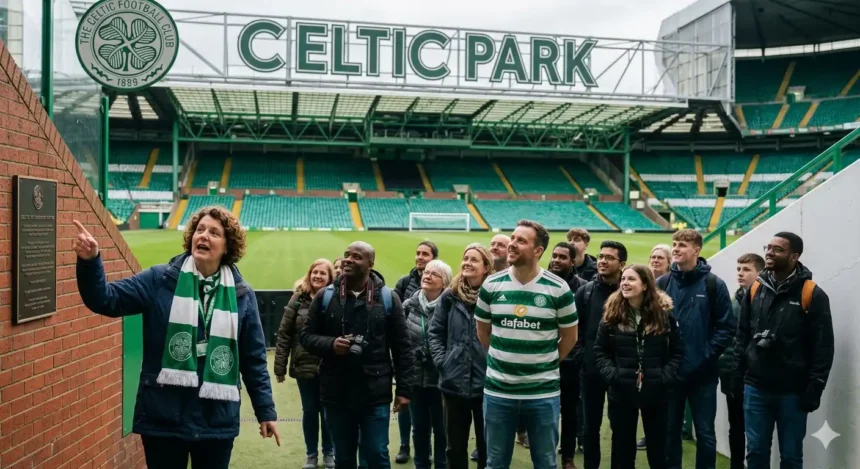
Celtic Park stadium tours in Glasgow are surging in popularity due to the club’s enduring legacy, recent on-field dominance, and enhanced visitor experiences that blend history with modern football tourism. This trend reflects broader growth in sports heritage attractions amid rising global interest in immersive fan experiences.
Celtic Park’s Storied Legacy
Celtic Park, affectionately known as Paradise or Parkhead, stands as Scotland’s largest football stadium with a capacity of 60,832, drawing enthusiasts eager to connect with over 130 years of football history. Opened in its current form in 1892 after an initial site from 1888, the venue has evolved from an oval terraced ground to a modern all-seater arena following a £40 million redevelopment between 1994 and 1998 under Fergus McCann’s ownership. This transformation not only complied with post-Taylor Report safety standards but also boosted its appeal as a UEFA Category 4 stadium, hosting Scotland internationals, cup finals, and events like the 2014 Commonwealth Games opening ceremony.
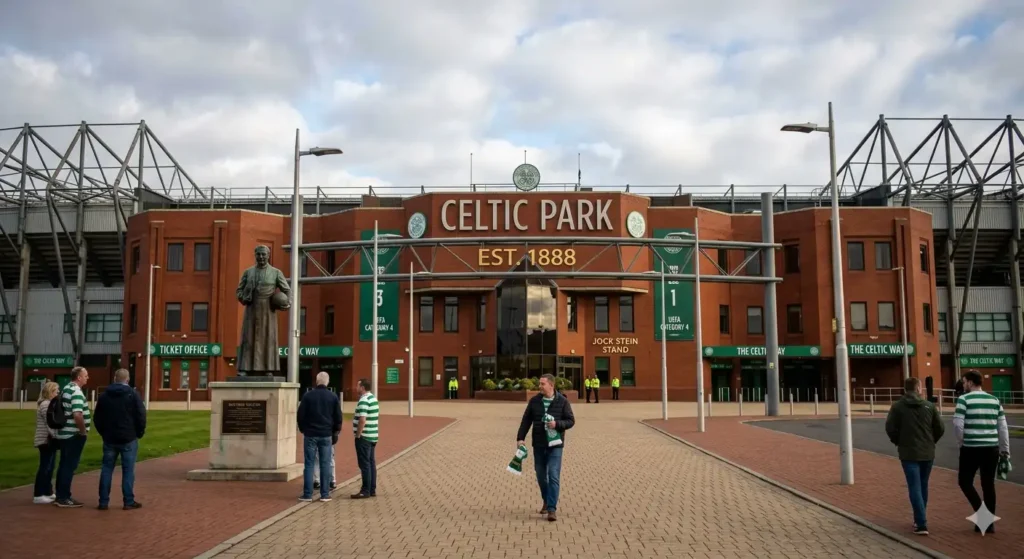
The stadium’s nickname “Paradise” originated from a journalist’s 1892 description likening the move from a cramped old site to its brickyard location as escaping a graveyard for utopia. Record crowds, such as 83,500 for a 1938 Old Firm derby against Rangers, underscore its electric atmosphere, while features like the North Stand—cantilevered over a cemetery—and the Jock Stein Stand evoke raw passion. Tours allow visitors to trace this path, from Brother Walfrid’s 1887 founding to alleviate East End poverty to modern icons, making it a pilgrimage site for fans worldwide.
The Immersive Stadium Tour Experience
A typical Celtic Park stadium tour lasts about 90 minutes, granting exclusive access to off-limits areas like the dressing rooms, players’ tunnel, dugout, and boardroom, where guides share anecdotes from legendary matches. Priced around $24, it offers pitch-side views and the chance to sit where stars like the Lisbon Lions once prepared, creating surreal moments for participants. Visitors often describe the tunnel walk as spine-tingling, amplified by audio of roaring crowds, while the Celtic Park Sports Bar provides post-tour refreshment with club memorabilia.
Guides, often lifelong fans like Eric praised in reviews, deliver passionate narratives on Celtic’s Irish-Scottish roots and triumphs, appealing even to non-supporters from places like Germany or Dundee. Recent enhancements, including rail seating introduced in 2016 for safe standing, add authenticity, echoing the pre-1990s terraces that fueled the “Jungle” and “Celtic End” fervor. This hands-on immersion turns a simple visit into a multisensory journey through football heritage.
Recent On-Field Success Fueling Excitement
Celtic’s dominance has reignited tour demand, with the club securing its 55th Scottish league title in 2024-25—their 13th Premiership in 14 seasons—capped by a 5-0 win over Dundee United. Averaging 2.95 goals scored per game while conceding just 0.68, they showcased tactical prowess under Brendan Rodgers, extending an unbeaten domestic streak legacy. This follows a “quadruple treble” era, including nine straight titles under Jock Stein in the 1960s-70s and the historic 1967 European Cup win as Britain’s first.
Such achievements draw international pilgrims, much like the 80,000 fans who traveled to Seville for the 2003 UEFA Cup final, earning FIFA and UEFA Fair Play awards for exemplary conduct. Season ticket sell-outs for 2025-26 highlight fan fervor, spilling over to tours as supporters seek deeper connections amid packed matches. With 120 major trophies—the most in Europe—Celtic’s narrative of resilience captivates, positioning tours as timely gateways to glory.
Tourism Boom and Economic Impact in Glasgow
Glasgow’s football tourism, spearheaded by Celtic, injects £45.68 million annually into the local economy through visitor spending on transport, dining, and lodging. High-profile fixtures like Old Firm derbies and European nights amplify this, with football tourists outspending others by extending stays to explore the city. Celtic Park’s central East End location enhances accessibility via Dalmarnock station and buses, integrating seamlessly with Glasgow’s vibrant scene.
Post-pandemic recovery has supercharged this trend, with record summer visitor numbers reported for tours and sports tourists favoring authentic experiences over generic sights. Reviews on platforms like Tripadvisor award it Travelers’ Choice status, praising value and storytelling. As Scotland’s top club by attendance—12th in Europe per 2011 figures—Celtic leverages its 9 million global fans across 160+ supporters’ clubs.
Global Fanbase and Cultural Magnetism
Celtic’s universal appeal stems from its charitable origins and anti-sectarian stance, like the Bhoys Against Bigotry campaign, resonating beyond Scotland to 20+ countries. Songs like “You’ll Never Walk Alone” and tifos, such as the 2017 FIFA Fan Award-winning European Cup tribute, amplify its cultural pull. Tours immerse international visitors in this, from the green-and-white hoops adopted in 1903 to statues of Walfrid, Stein, and McNeill outside the Main Stand.
Social media and digital engagement keep the flame alive, with clubs worldwide emulating Celtic’s model, from Belfast Celtic to Bloemfontein Celtic. This diaspora drives tour bookings, as fans from the US, Canada, and Asia seek tangible links to their passion.
Stadium Upgrades and Future Prospects
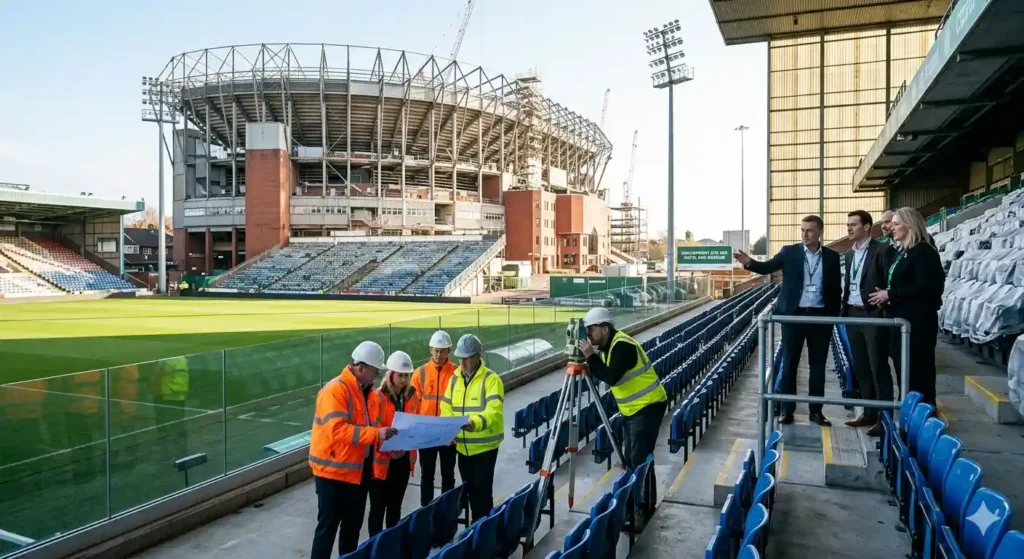
Ongoing enhancements sustain buzz: LED floodlights, hybrid pitches, and entertainment systems installed pre-2018-19, alongside rail seating for intensified atmospheres. Fans clamor for Main Stand redevelopment to push capacity toward 70,000-75,000, with CEO Michael Nicholson eyeing £100 million feasibility amid sell-out pressures. Plans for a hotel-museum between the Main Stand and London Road, approved in 2017, promise year-round attractions.
These evolutions mirror Celtic’s post-1994 rebirth, turning a near-bankrupt club into a financial powerhouse—profits hit £33.9 million for 2025 from player trading and 29 home games. Tours benefit directly, offering glimpses of premium facilities like executive boxes and heated seats.
Why Popularity Peaks Right Now
The confluence of Celtic’s 2024-25 title, economic tourism surge, and immersive tour upgrades creates a perfect storm for popularity. Record visitor highs, like summer peaks, coincide with sold-out seasons and global hype around potential expansions. Affordable entry belies the depth—behind-scenes access rivals pricier European giants—while Glasgow’s accessibility and Celtic’s inclusive ethos broaden appeal.
In an era of experiential travel, these tours deliver emotional highs: standing pitch-side, evoking 1938’s roar or 1967’s triumph. As football tourism rebounds, Celtic Park cements its status as Glasgow’s must-visit icon. For locals and globetrotters, it’s more than a stadium—it’s living history unfolding.
Is the Celtic Park stadium tour worth it?
Yes—Celtic Park offers one of the most immersive football experiences in Scotland, with behind-the-scenes access, rich club history, and strong value for fans and tourists alike.