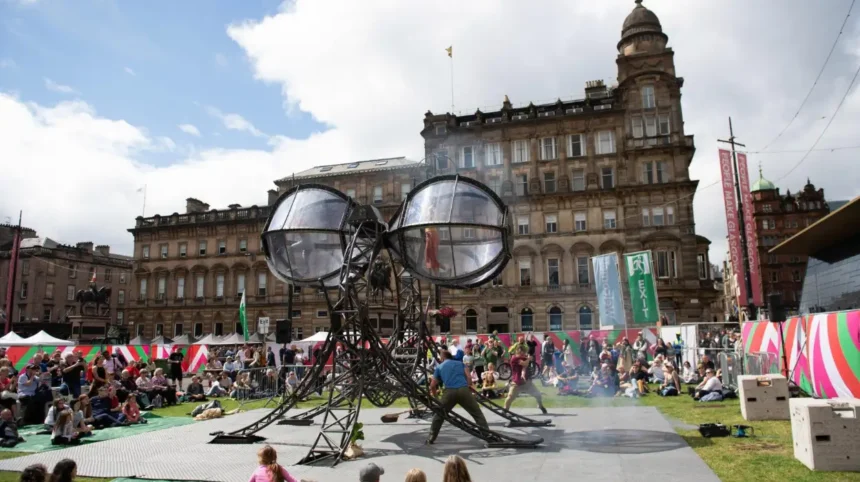
The Merchant City Festival is an annual multi-day cultural celebration that takes place every summer across the historic Merchant City district in Glasgow, Scotland. It transforms public streets into open-air performance spaces featuring circus arts, live music, street theatre, dance, family activities, and artisan markets.
- What Is the Historical Origin and Purpose of the Merchant City Festival?
- Where Does the Merchant City Festival Take Place Each Year?
- What Types of Arts, Performances, and Activities Are Featured?
- Street Theatre, Circus, and Outdoor Spectacles
- Live Music and Dance Programming
- Artisan Markets, Culinary Presentations, and Family Events
- How Does the Merchant City Festival Impact Glasgow’s Local Economy?
- Who Coordinates and Funds the Merchant City Festival?
- How Does the Merchant City Festival Support Local Communities and Accessibility?
- What Is the Long-Term Cultural Significance of the Festival for Glasgow?
The festival serves as a cornerstone of Glasgow’s summer events calendar. Managed by Glasgow Life, a charity that delivers culture and sport on behalf of Glasgow City Council, the event drives local economic growth and provides accessible cultural programming for residents and international visitors.
What Is the Historical Origin and Purpose of the Merchant City Festival?
The Merchant City Festival was established in 2002 to promote urban regeneration, celebrate local heritage, and establish a dedicated cultural quarter in central Glasgow. City planners designed the festival to draw foot traffic into an area historically defined by 18th-century mercantile trade warehouses.
Urban Regeneration and Architectural Heritage
In the late 20th century, Glasgow City Council initiated strategic structural investments to repurpose the neglected warehouse district known as the Merchant City. The area was built during the 18th century by wealthy tobacco and sugar merchants, known as the “Tobacco Lords.” The residential and commercial restoration of properties along streets such as Ingram Street, Wilson Street, and Candleriggs required an ongoing civic initiative to attract foot traffic.
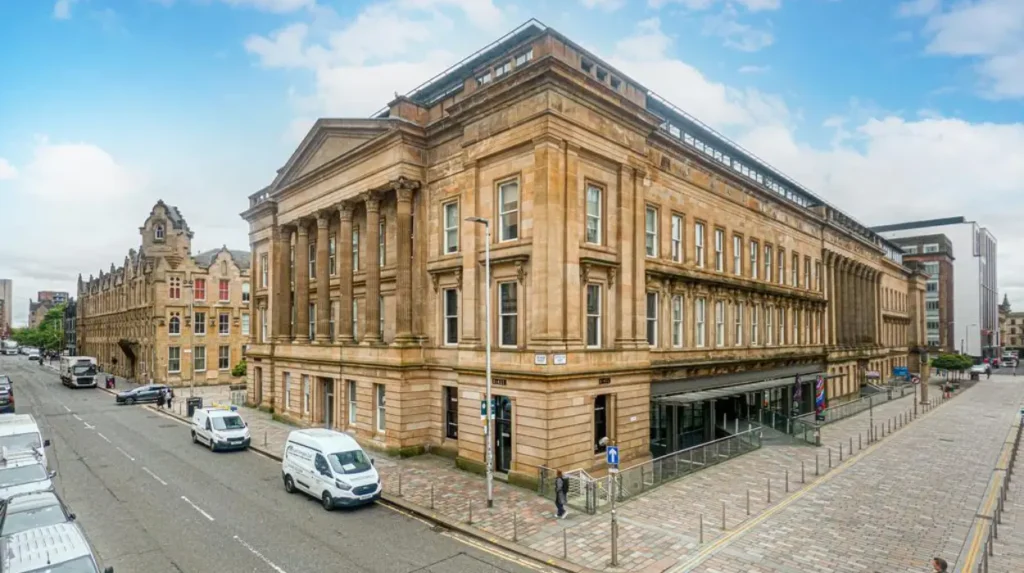
The introduction of the Merchant City Festival in 2002 provided a framework to showcase the district’s neoclassical and Victorian architecture. Organizers used historic structures, such as The Old Fruitmarket and The Briggait, as indoor performance venues. By converting paved roadways into pedestrianized thoroughfares, the festival redefined the public perception of the district from an industrial trading hub into an arts district.
Alignment with Glasgow’s Cultural Strategy
Glasgow was designated the European Capital of Culture in 1990. The municipal government subsequently established long-term policies to incorporate cultural events into the urban economy. The Merchant City Festival operationalizes these policies by offering free, non-ticketed access to physical arts.
The purpose of the event extended beyond immediate entertainment. It created a model for community engagement, offering local creative arts organizations a platform alongside international performers. Examples of long-term cultural partners participating in the programming include:
- Scottish Opera, which performs outdoor micro-operas in public courtyards.
- SURGE, an organization specializing in street theatre, circus, and physical theatre development across Scotland.
- Glasgow International Jazz Festival, which collaborates on outdoor musical curation.
Where Does the Merchant City Festival Take Place Each Year?
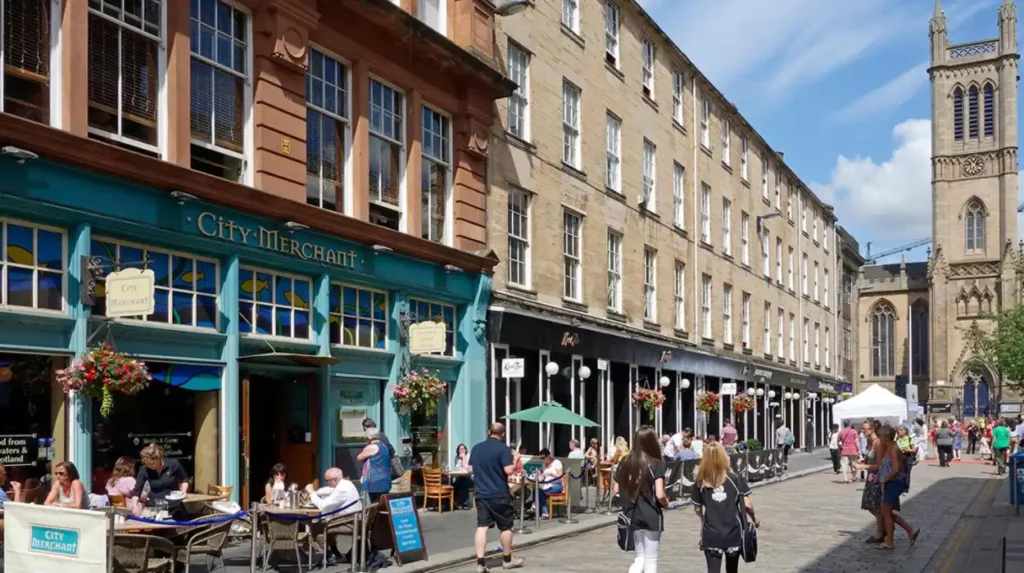
The Merchant City Festival takes place across a outdoor network of pedestrianized streets, historic squares, and indoor cultural venues within Glasgow’s Merchant City district. Primary zones include Candleriggs, Wilson Street, Brunswick Street, Merchant Square, and surrounding architectural landmarks.
Primary Outdoor Performance Zones and Street Closures
During the festival period, Glasgow City Council issues temporary traffic regulation orders that restrict vehicular access across core thoroughfares. The pedestrianization of these avenues creates a continuous, walkable festival site.
- Candleriggs: Functions as a central arterial hub for the festival, accommodating large outdoor stages, street food vendors, and public seating installations.
- Brunswick Street: Serves as a primary corridor for street theatre acts, acrobatics, and interactive physical performances.
- Wilson Street: Hosts artisan markets and craft stalls, linking pedestrian pathways across the eastern and western sections of the district.
- Hutcheson Street and Bell Street: Provide specialized space for visual art installations and local community showcases.
Indoor Hubs and Cultural Buildings
While street performances dominate the exterior layout, several structural landmarks provide enclosed, weather-independent venues for ticketed and curated festival events:
- Merchant Square: An enclosed courtyard housed beneath a vaulted glass roof, featuring permanent restaurants, temporary stages, and family-oriented activity zones.
- The Old Fruitmarket: A restored 19th-century market building featuring vaulted timber roofs and cast-iron columns, used for evening musical performances and comedy events.
- The Briggait: A Category A-listed former fish market built in 1873, transformed into creative artist studios and indoor event spaces.
- City Halls: A historic concert hall complex integrated with The Old Fruitmarket, housing orchestral performances, civic functions, and indoor lectures.
What Types of Arts, Performances, and Activities Are Featured?
The Merchant City Festival features street theatre, aerial acrobatics, live musical acts, outdoor dance routines, visual art installations, and family workshops. The event prioritizes physical, outdoor performances that engage crowds in open public spaces.
Street Theatre, Circus, and Outdoor Spectacles
Street performance is the foundational element of the festival’s artistic identity. Partnering with local production entities like SURGE, the festival stages large-scale physical theatre performances.
Performance disciplines presented during the festival include:
- Aerial Acrobatics: Artists perform on temporary riggings erected over paved streets and public squares.
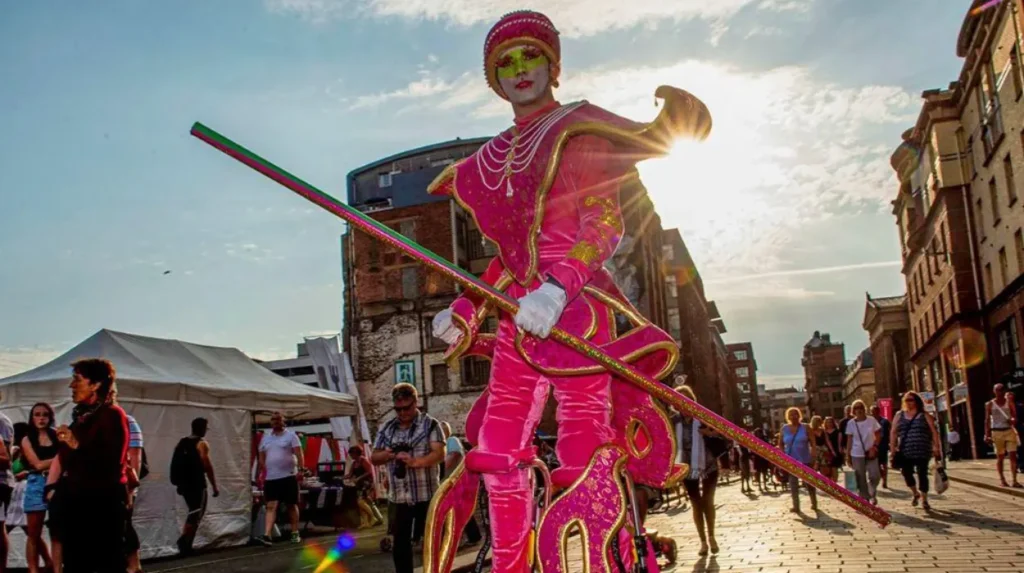
- Walkabout Acts: Costumed character performers and giant puppets roam the pedestrianized zones to interact directly with attendees.
- Contemporary Circus: Juggling, balancing routines, and physical comedy acts designed for all-ages audiences.
Live Music and Dance Programming
The festival incorporates multiple musical stages that present diverse musical traditions, including Scottish folk, indie rock, jazz, hip-hop, and world music. Sound systems and staging environments are set up across Candleriggs and inside Merchant Square. Dance troops perform across dedicated temporary dance floors, offering public participation workshops alongside professional showcases in salsa, breakdancing, traditional Scottish ceilidh, and contemporary choreography.
Artisan Markets, Culinary Presentations, and Family Events
In addition to performance art, the festival integrates commercial, culinary, and civic zones. The street market component highlights independent traders, regional food producers, and local craftspeople.
- Craft and Design Markets: Independent vendors sell handmade jewelry, visual artwork, textiles, and ceramics along Wilson Street.
- International Street Food Hubs: Pop-up food stalls offer culinary options, including Scottish, Sri Lankan, Lebanese, Malaysian, and Greek foods.
- Family Activity Zones: Workshops, face painting, story-telling sessions, and youth circus trials take place within Merchant Square and surrounding community centers.
How Does the Merchant City Festival Impact Glasgow’s Local Economy?
The Merchant City Festival generates significant economic output by attracting tens of thousands of visitors who spend on hospitality, retail, transportation, and overnight accommodation. The influx of visitors directly supports local businesses, seasonal employment, and municipal infrastructure.
Visitor Metrics and Consumer Expenditure
Economic impact assessments demonstrate that the festival functions as an economic engine for central Glasgow. Research reports conducted by economic research firms such as EKOS show that attendance routinely reaches tens of thousands of visitors across the event weekend.
| Impact Category | Measured Economic Outcome | Operational Detail |
| Direct Visitor Spend | Over £900,000 to £2.2M annually | Direct expenditure at retail stores, restaurants, bars, and food vendors. |
| Tourist Distribution | ~17% Non-Local Attendees | Attracts domestic and international visitors who utilize short-term stays. |
| Visitor Satisfaction | 98% Positive Rating | High rate of repeat attendance and sustained regional destination branding. |
| Business Revenue Increase | 20% to 40% Uplift | Local hospitality venues report heightened turnover during festival days. |
Commercial Benefits for Local Businesses
The physical structure of the festival brings public crowds directly past the doors of permanent businesses. Brick-and-mortar establishments benefit from extended licensing hours, expanded outdoor seating areas, and increased walk-in customers.
- Restaurants and Bars: Establishments along Candleriggs and inside Merchant Square experience their highest footfall of the summer season.
- Independent Retailers: Boutiques and design shops on Ingram Street and Wilson Street gain exposure from external visitors navigating the market routes.
- Public Transport Networks: Bus services, taxi operators, and the Strathclyde Partnership for Transport (SPT) Subway network experience increased passenger volume.
Who Coordinates and Funds the Merchant City Festival?
The Merchant City Festival is coordinated and produced primarily by Glasgow Life, working in partnership with Glasgow City Council, local arts organisations, and corporate sponsors. Funding is derived from public arts budgets, commercial sponsorships, stallholder fees, and venue partnerships.
Organizational Governance and Operations
Glasgow Life, the operating name of Culture and Sport Glasgow, leads the operational execution of the festival. The organization coordinates municipal services to ensure safety, traffic control, and artist logistics.
Operational responsibilities are distributed among specific entities:
- Glasgow City Council: Enforces road closure orders, manages waste collection, and provides emergency service coordination.
- SURGE: Curates and executes the outdoor street arts, circus, and physical performance aspects of the programme.
- Merchant City Venue Association: Coordinates indoor staging and commercial alignment among local bar and restaurant operators.
- Police Scotland: Provides public safety management and crowd monitoring across the pedestrianized zones.
Funding Models and Financial Sustainability
The festival uses a mixed-funding strategy to remain accessible while covering production costs. Because most outdoor events are free to the public, organizers rely on public investment and commercial contributions.
Financial streams include:
- Public Sector Grants: Funding allocated from Glasgow City Council’s cultural budget and national arts bodies like Creative Scotland.
- Commercial Sponsorships: Corporate partnerships with local businesses, beverage brands, and real estate developers operating within the city.
- Vendor Licensing Fees: Stall rental fees collected from market traders, food trucks, and pop-up bars.
- Ticketed Performance Revenue: Revenue generated from specialized indoor evening shows hosted at venues like The Old Fruitmarket.
Explore more Area Guide
How Glasgow Students Find Affordable Flat Shares Today
What Are the Best Student Bars and Clubs in Glasgow Right Now?
How Does the Merchant City Festival Support Local Communities and Accessibility?
The Merchant City Festival supports local communities by providing free access to arts programming, offering youth creative workshops, and maintaining accessible festival sites. The event eliminates financial barriers to cultural participation for families across Glasgow.
Free Access and Cultural Equity
A primary policy goal of the festival is lower-barrier access to the arts. By hosting high-quality acrobatic, theatrical, and musical performances in open public streets rather than ticketed venues, the festival removes entry costs for attendees. Studies indicate that over 50% of festival attendees experience outdoor arts performance for the first time during the Merchant City Festival, promoting broader cultural engagement.
Physical Accessibility and Inclusivity
Organizers incorporate accessibility measures into the design of the festival grounds. Because performance sites are set up along flat, paved city streets, wheelchair access is available across the footprint.
Inclusivity frameworks integrated into the event design include:
- Accessible Viewing Areas: Designated viewing zones situated near main street stages for individuals with mobility requirements.
- Accessible Restroom Facilities: Temporary, accessible toilets positioned alongside existing public facilities.
- Sensory Considerations: Open-air venues allow attendees with neurodivergent needs to move freely and manage their environment compared to traditional enclosed theatre spaces.
- Public Transport Links: Proximity to major transport nodes, including High Street Station, Argyle Street Station, Glasgow Queen Street Station, and the Buchanan Street Subway station.
What Is the Long-Term Cultural Significance of the Festival for Glasgow?
The long-term cultural significance of the Merchant City Festival lies in its ability to anchor Glasgow’s identity as a UNESCO City of Music and international cultural hub. It showcases urban space re-use, fosters artistic development, and reinforces community pride.
Urban Identity and Strategic City Branding
The sustained success of the festival has redefined how Glasgow uses its historical urban environments. By transforming commercial and historical streets into creative performance spaces, the festival demonstrates how built heritage can adapt to support modern community life. This approach has influenced municipal event planning across Scotland, encouraging cities to invest in public space activations.
Sustaining the Creative Industry Ecosystem
The festival acts as a vital incubator for creative talent across Scotland. Emerging street performers, musicians, dancers, and visual artists use the platform to gain professional experience, test new work in front of diverse crowds, and connect with international talent talent scouts.
The event reinforces Glasgow’s status as a cultural destination. By integrating historical conservation, public entertainment, and economic strategy, the Merchant City Festival continues to demonstrate how cultural programming can support local identity, support urban infrastructure, and deliver accessible public arts every summer.
What is the Merchant City Festival?
The Merchant City Festival is an annual multi-day outdoor cultural event held every summer in Glasgow, Scotland. It features street theatre, circus performances, live music, dance, visual arts, family activities, and artisan markets across the historic Merchant City district.