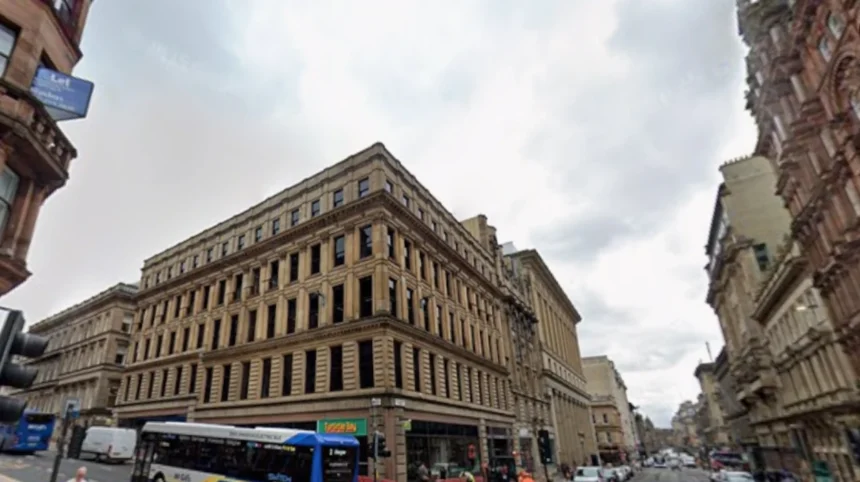
Rent levels in Glasgow have climbed steadily since 2023 as demand for private housing outpaces new supply, and students plus young professionals continue to concentrate in the city. This article summarises how much rents have risen from 2023 to early 2026, explains the structural pressures behind the increases, and assesses whether staying in Glasgow financially and practically still makes sense for most residents.
- How much have rents in Glasgow increased since 2023?
- What was the average rent in Glasgow in 2023?
- What are rents in Glasgow now in 2026?
- How do Glasgow rents compare to other UK cities?
- Why are rents in Glasgow going up so quickly?
- How do different areas of Glasgow compare on rent?
- Are rents in Glasgow still affordable compared to incomes?
- Is it worth staying in Glasgow despite rising rents?
- How will rent increases in Glasgow affect the wider economy?
- What should someone in Glasgow do next if rents keep rising?
How much have rents in Glasgow increased since 2023?
Between 2023 and early 2026, average private rents in Greater Glasgow have risen by roughly 14–18% cumulatively, depending on property type and area. Annual growth peaked around 7–10% in 2022–23, then eased to about 5–6% per year by 2025–26, signalling a slower but still rising market rather than a crash.
From 2023, typical one‑bedroom flats in Glasgow started in the mid‑£800s per month in many central and student‑focused streets and now sit around £900–£950 per month on average. Two‑bedroom properties moved from approximately £1,000–£1,100 in 2023 to roughly £1,200–£1,300 by 2025–26, with West End and Southside hotspots often exceeding those bands. These figures reflect data from official and research sources, which track the Greater Glasgow rental market area as a whole.
The rise is not uniform across the city. Parts such as the West End (Hyndland, Hillhead, Partick) and central Southside pay premiums of 20–30% above the citywide average, while outer suburbs and less central postcodes may see only mid‑single‑digit percentage increases over the same period. Underlying drivers include sustained demand from students, limited new build completions, and planning constraints in popular neighbourhoods.
What was the average rent in Glasgow in 2023?
In 2023, the average monthly private rent across Greater Glasgow was close to £1,100–£1,150, depending on bedroom count and source. One‑bed flat rents clustered around £750–£850, two‑bed homes around £950–£1,100, and three‑bed properties around £1,300–£1,500, with four‑bed and larger houses often above £1,800–£2,000 per month. These bands exclude the very highest‑end city‑centre or West End properties, which already commanded rents above £2,000 in 2023.
Local rental agencies and market reports from 2023 show that Glasgow’s average was still below national UK rental averages but firmly above many other major UK cities outside London. The city’s mix of Victorian and modern flats, plus a strong student footprint, generated tight competition for well‑located two‑ and three‑bed tenements, which kept rents at the upper end of their ranges. By late 2023, landlords were already adjusting for higher interest‑rate‑driven costs and rising energy bills, which fed into new‑tenancy pricing.
What are rents in Glasgow now in 2026?
By early 2026, the average monthly rent in Greater Glasgow stands at about £1,225–£1,275, depending on sub‑area and bedroom count. One‑bedroom flats now average around £840–£925 per month, two‑bed homes about £1,080–£1,250, three‑bed properties around £1,300–£1,800, and four‑bed residences often exceed £2,200–£2,700. These levels are higher than the Scottish average of approximately £1,020 per month but still below many English cities of similar size.
The Office for National Statistics’ Greater Glasgow rental area shows that overall private rents rose about 5–6% year‑on‑year in 2025–26, following sharper 7–10% rises in 2022–23. Market‑group data from early 2026 indicate that Glasgow typically lets new rental properties within 21–25 days, implying vacancy rates around 5–6% and confirming that demand still comfortably outpaces supply. As a result, landlords in high‑demand areas can hold rents at or above the upper band of these ranges without significant void‑month risk.
How do Glasgow rents compare to other UK cities?
Glasgow’s average rent is lower than London and several major English cities but sits near or slightly above the Scottish average and many provincial UK centres. In 2026, Greater Glasgow’s £1,225–£1,275 monthly average undercuts London’s average of roughly £2,000–£2,300 and several large English cities whose rents exceed £1,500. At the same time, it exceeds the nationwide Scottish rental average of about £1,020 per month, reflecting Glasgow’s status as Scotland’s largest and most economically active city.
Within Scotland, Edinburgh’s rents are closer to London‑level pressures, routinely 10–15% higher than Glasgow’s for comparable properties. This gap arises because of Edinburgh’s smaller housing stock relative to its tourism and government‑sector demand, as well as tighter planning constraints in the capital. For tenants choosing between Scottish cities, Glasgow therefore offers similar cultural and economic access at a lower occupancy cost, albeit with higher‑than‑national‑average prices.
Still, Glasgow is around 10–20% cheaper than the UK average for comparable rented accommodation, which keeps it attractive for students, graduates, and mid‑salary professionals. That gap is narrowing as Glasgow’s rent growth slightly outpaces some slower‑growing UK regions, but the city remains one of the more affordable large‑city options in the UK.
Why are rents in Glasgow going up so quickly?
Rents in Glasgow are rising because tenant demand has grown faster than the number of new rental properties being built, and existing owners are adjusting to higher financing and operating costs. The city’s population has increased through domestic migration, student inflows, and international migration, while new‑build completions have only accounted for around 10% of the housing market, below the historical 15% share. This shortfall means more people compete for the same or marginally larger stock, pushing rents upward.
Key demand drivers include Glasgow’s universities, which attract tens of thousands of students each year, and a growing professional workforce in sectors such as education, healthcare, and digital services. Many students cannot secure on‑campus housing and must move into the private rental sector, particularly in the West End and Southside, where one‑ and two‑bed flats are in shortest supply. Young professionals also prefer walkable, central locations with good transport links, further concentrating demand in specific neighbourhoods.
On the supply side, planning rules and infrastructure limits constrain the speed and scale of new‑build development in the most desirable areas. Conservation, density caps, and limited green‑belt release make it harder to add thousands of new units quickly, even when viability guidelines and infrastructure funding align. As long as this structural imbalance persists, landlords can sustain gradual rent increases without rendering their properties unlettable.
How do different areas of Glasgow compare on rent?
Glasgow’s rental map is highly patchy, with the West End and Southside commanding the highest rents, while outer suburbs and less central quarters remain more affordable. In 2026, the West End (Hyndland, Hillhead, Partick, Dowanhill) typically rents 20–30% above the city average, with many two‑bed tenements passing £1,300–£1,600 per month. Southside areas such as Shawlands, Strathbungo, and Pollokshields are close behind, often within 10–20% of West End levels.
Closer into the city centre, including the Merchant City, Garnethill, and Kelvinhaugh, one‑bed and compact two‑bed flats can reach £1,000–£1,300, especially if freshly renovated or in new‑build blocks. North‑side and East‑side neighbourhoods such as Dennistoun, Maryhill, and parts of the East End tend to be 5–15% below the city average, though regeneration and demand for modern flats can push individual streets toward central‑city levels.
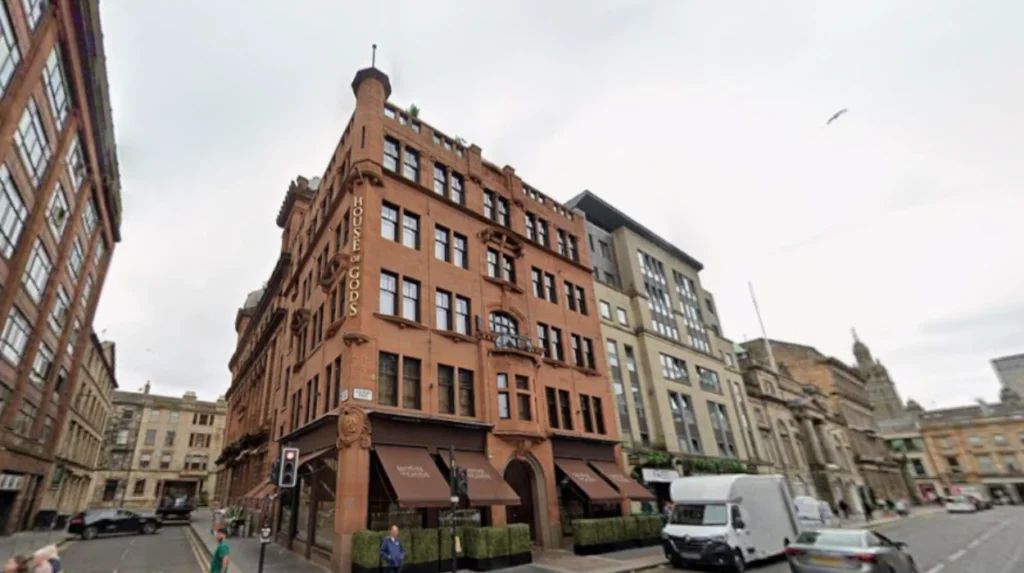
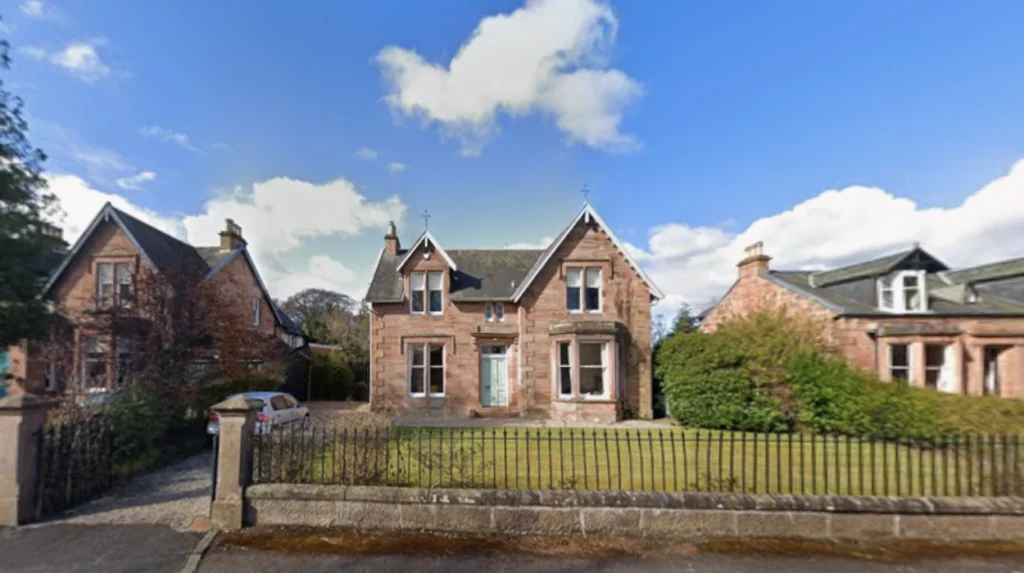
Outer suburbs such as Bearsden, Lenzie, Newton Mearns, and East Kilbride offer larger houses and gardens at rents closer to the Scottish average or slightly below. These areas suit families or remote workers who prioritise space and lower density, even if commuting times to Glasgow city centre are longer. The trade‑off between rent and location is therefore a primary factor in deciding whether to stay in Glasgow or move to nearby areas.
Are rents in Glasgow still affordable compared to incomes?
Relative to average earnings, Glasgow rents are still within what many analysts consider an “affordable but tight” band, though pressure is increasing. The city’s typical gross annual salary is around £27,000–£33,000 for many roles, with higher pay concentrated in professional, technical, and managerial posts. For a two‑bed flat at £1,200 per month, that implies a rent‑to‑income ratio of roughly 40–50%, which is above the commonly cited 30% affordability threshold but still below many UK cities.
Students and low‑wage workers often spend more than half their income on rent, especially if they live in the West End or Southside. Shared houses and flat‑shares remain widespread strategies to keep housing costs below 30–40% of take‑home pay, but competition for decent shared accommodation is high. In contrast, families or higher‑earning professionals in outer suburbs may keep their rent closer to 25–35% of household income, improving overall affordability.
Cost‑of‑living comparisons show Glasgow is about 10–20% cheaper than the UK average overall, with housing the main drag on that advantage. Everyday expenses such as groceries, public transport, and leisure are generally lower than in London and some English cities, which offsets part of the rent burden. However, rising rents since 2023 mean that even Glasgow’s relative affordability is narrowing for cash‑strapped renters.
Is it worth staying in Glasgow despite rising rents?
For many people, staying in Glasgow remains worth it because of strong job and education opportunities, cultural amenities, and relatively moderate overall living costs compared with other UK cities. The city’s universities, NHS hubs, and growing tech and finance sectors offer a wide range of employment options, especially for graduates and skilled workers. Cultural attractions, nightlife, and transport links also support a high‑quality lifestyle, which many residents value even as rents climb.
However, the decision depends on individual circumstances. People on lower incomes, students without substantial grants, or those needing larger homes may find better value in satellite towns such as East Kilbride, Uddingston, or Hamilton, where rents can be 10–20% lower for similar or larger properties. Those who must live close to the city centre for work or study may accept higher rents in exchange for reduced commuting time and access to services. For remote‑first workers whose employer permits relocation, moving farther from Glasgow can significantly improve disposable income without fully sacrificing urban connectivity.
How will rent increases in Glasgow affect the wider economy?
Sustained rent growth in Glasgow influences household spending, business location choices, and local government policy. As more income goes toward housing, tenants have less to spend on retail, leisure, and services, which can dampen local economic activity in some neighbourhoods. Landlords and property investors benefit from higher yields, but small‑portfolio landlords face pressure from interest‑rate‑driven financing costs, which can push some to sell to larger operators.
From a public‑policy perspective, higher rents strengthen the case for more social‑housing and affordable‑rent projects in Glasgow. Local authorities and housing associations are therefore focusing on infill schemes and brownfield redevelopment to increase supply without over‑expanding the boundary. The Scottish government’s rent‑cap and tenant‑protection framework also limits how quickly rents can rise on individual properties, which moderates the pace of inflation but does not fully offset market‑wide pressure.
In the long term, if rent growth continues faster than wage growth, Glasgow risks losing some low‑ and middle‑income residents to cheaper surrounding areas or other cities. That could alter the city’s demographic mix and labour‑market structure, with implications for both service‑sector staffing and community cohesion. These dynamics make ongoing monitoring of rents, incomes, and housing completions essential for city‑level planning.
What should someone in Glasgow do next if rents keep rising?
Tenants in Glasgow confronting rising rents can adopt several practical strategies to manage costs. These include: negotiating with landlords before renewing, checking for disrepair or compliance issues that may support a rent challenge, and considering shared housing or moving to a slightly less central area. Utilising rent‑cap rules and tenancy‑protection frameworks can also help prevent sudden large‑scale increases where applicable.
For those considering leaving Glasgow, options include relocating to nearby towns with lower rents but still reasonable commuting links, or adopting a hybrid‑remote work pattern to reduce the need for city‑centre proximity. Buyers may also reassess whether purchasing in Glasgow or a nearby town is preferable, given that current house‑price growth in the city is around 5% per year, which is steady but not speculative. Overall, each person must weigh job stability, lifestyle preferences, and long‑term financial planning before deciding whether to stay, move, or change housing type in response to Glasgow’s rising rents.