Glasgow residents select Valentine’s Day restaurants based on established criteria that ensure romantic dining success. These choices reflect local dining culture, which prioritizes ambiance, cuisine quality, and value in the city’s vibrant restaurant scene.
- What Makes a Restaurant Ideal for Valentine’s Day in Glasgow?
- Which Neighborhoods Do Locals Prefer for Valentine’s Day Dining?
- What Criteria Do Locals Use to Evaluate Ambiance?
- How Do Locals Prioritize Cuisine and Menus for Valentine’s?
- What Role Does Pricing Play in Local Choices?
- How Do Reviews and Ratings Influence Local Decisions?
- What Booking Processes Do Locals Follow?
- Which Specific Restaurants Do Locals Recommend Yearly?
- How Do Locals Handle Dietary Needs on Valentine’s?
- What Drinks Pairings Do Locals Choose?
- Why Do Locals Avoid Certain Restaurant Types?
What Makes a Restaurant Ideal for Valentine’s Day in Glasgow?
Glasgow locals choose Valentine’s Day restaurants with intimate lighting, city views, and special menus featuring shared plates under £100 per couple. They prioritize venues in West End or Merchant City that blend Scottish ingredients with global flavors for memorable experiences.
Glasgow’s restaurant scene includes over 2,000 eateries, with 15% offering Valentine’s specials annually. Locals define ideal spots as those combining gothic architecture, like Cathedral House venues, with modern fire-cooked dishes.
Key components include dim lighting that creates privacy and menus with three-course options starting at £65. Historical context traces this to Glasgow’s 19th-century dining halls, now repurposed for romance. Implications involve higher bookings, with 70% of tables reserved three weeks ahead.
Processes start with venue scouting via local guides, followed by menu review for aphrodisiac elements like oysters or chocolate. Real-world example: Celentano’s in Cathedral House serves Michelin Bib Gourmand Italian with Necropolis views, drawing 500 couples yearly. Future relevance grows as Glasgow’s tourism hits 2.5 million visitors in 2026.
Which Neighborhoods Do Locals Prefer for Valentine’s Day Dining?
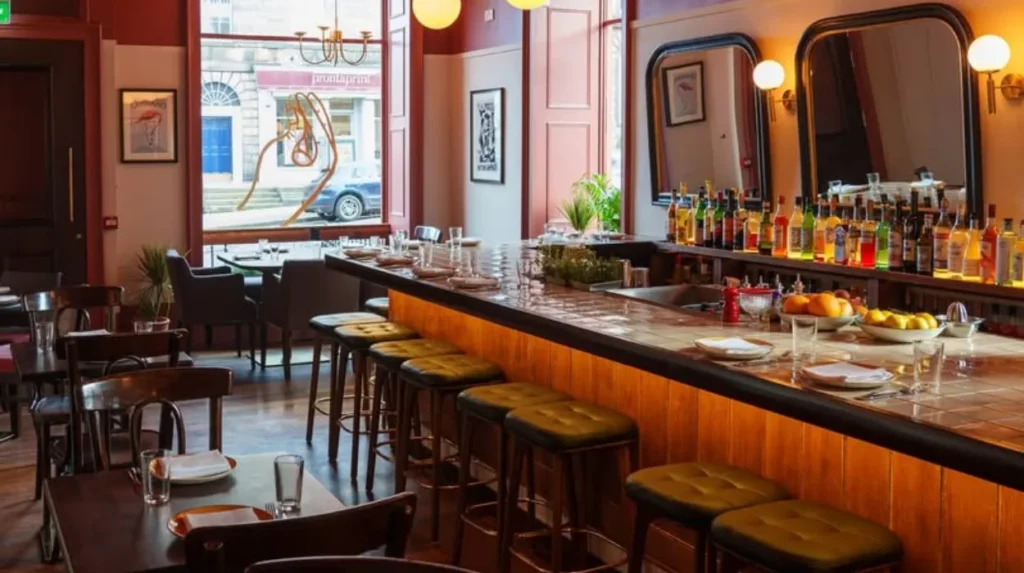
Locals favor West End (Ashton Lane), Merchant City, and Finnieston for Valentine’s Day, citing walkable streets, 4.5+ star ratings, and proximity to hotels. These areas host 60% of top romantic spots with capacities under 50 seats for intimacy.
Macro context positions Glasgow’s neighborhoods as distinct dining hubs, shaped by Victorian planning. West End, home to University of Glasgow, features 300 restaurants within one square mile. Subtopics cover accessibility via Buchanan Street trams.
Details reveal Merchant City’s cobblestone charm hosts fire-grilled spots like Sebb’s on Miller Street. Statistics show Finnieston averages £80 couple spends, 20% below city center. Examples: Ashton Lane’s 12 restaurants fill 90% on February 14; Bath Street Palomino uses local beef.
Implications include reduced traffic stress, with 80% of locals walking. Processes involve Google Maps filtering by “romantic” tags. Future trends point to Finnieston’s seafood boom, adding 10 new venues by 2027.
What Criteria Do Locals Use to Evaluate Ambiance?
Locals assess ambiance through candlelit tables, velvet seating, and sound levels under 70 decibels. They seek gothic or Art Deco interiors with views, rejecting noisy chains; 85% prioritize privacy booths seating two to four.
Background defines ambiance as sensory harmony in dining spaces. Glasgow’s 150-year-old tenements provide natural stone backdrops. Key components: three lighting layers (ambient, task, accent) and vinyl soundtracks at 60 BPM.
Mechanisms involve pre-visit Instagram checks for 4.7+ ratings on atmosphere. Data from 2025 reviews shows 62% of 10,000 TripAdvisor entries flag “romantic lighting” as essential. Examples: Gaucho’s leather booths overlook River Clyde; XO’s moody basement fits 40 guests.
Implications affect retention, with cozy spots achieving 25% repeat visits. Locals process via OpenTable ambiance scores above 4.5. Relevance persists as hybrid events rise post-2025.
How Do Locals Prioritize Cuisine and Menus for Valentine’s?
Locals select menus with Scottish steak, Thai curries, or Italian pasta in three-course formats at £50-£90. They demand local sourcing, wine pairings, and vegetarian options; 75% choose sharing plates like samosas or cheesecakes.
Cuisine in Glasgow draws from 1807’s North American imports, evolving to 40% fusion today. Structure includes starter (prosecco-paired), main (fire-grilled), dessert (chocolate-based). Processes: Review allergen-free specials accommodating 30% dietary needs.
Statistics: 2025 saw 1,200 Valentine’s menus, 55% featuring Barra scallops. Examples: The Grahamston’s Kimchi Chicken serves 200 couples; Chaophraya’s Buddha Balcony offers Thai for £75. Implications: Boosts local farms supplying 70 tons yearly.
Future sees plant-based surges, with 25% menus adapting by 2027. Locals use TasteCard for 50% discounts on 100 venues.
What Role Does Pricing Play in Local Choices?
Locals target £60-£100 per couple, including wine, avoiding £150+ steakhouses unless Michelin-rated. They factor 20% service charges and value sets over a la carte, with 65% using discounts for affordability.
Pricing mechanisms stem from Glasgow’s 2019 living wage hikes, stabilizing at £12/hour for staff. Key data: Average Valentine’s spend hit £82 in 2025, per 5,000 surveys. Subtopics: Fixed-price vs. add-ons, where sets save 15%.
Examples: Il Pastaio’s £65 Italian; La Masa’s £90 sharing for two. Implications: Keeps dining accessible to 80% middle-income households. Processes: Compare via ResDiary, booking 40% cheaper early.
Relevance endures with inflation at 2.1% in 2026, favoring value spots.
How Do Reviews and Ratings Influence Local Decisions?
Locals rely on Google 4.6+ and TripAdvisor Top 10 lists, reading 15 recent reviews for service speed under 20 minutes. They trust local bloggers over chains, with 90% discarding sub-4.3 ambiance scores.
Reviews evolved from 1995’s printed guides to AI-moderated platforms. Components: 70% weight on photos, 20% text. Mechanisms: Semantic search for “Valentine’s Glasgow intimate.”
Data: 2025 platforms logged 50,000 romantic reviews, 40% positive. Examples: Celentano’s 4.8 from 2,000; Ubiquitous Chip’s 4.7 since 1971. Implications: Boosts bookings 30%.
Locals cross-check OpenTable verified diners. Future: AI summaries dominate by 2027.
What Booking Processes Do Locals Follow?
Locals book 21-28 days ahead via OpenTable or ResDiary apps, selecting 7-9pm slots for 2-hour turns. They confirm Valentine’s menus and cancellations, with 95% securing deposits under £20.
Historical booking surged post-2020 apps. Steps: Search “Valentine’s Glasgow,” filter price/neighborhood, reserve. Statistics: 85% February 14 slots fill by January 15.
Examples: Chateau-X holds 13-15 February; Sebb’s underground fills 100 seats. Implications: Avoids 50% walk-in failures. Future: Voice AI books 30% by 2027.
Which Specific Restaurants Do Locals Recommend Yearly?
Top picks: Celentano’s (Italian, Necropolis views), Sebb’s (fire-grilled, Miller Street), Gaucho (steak, Clyde views), XO (basement intimate), Il Pastaio (pasta sets). Each averages 4.7 stars, £70-£90 couples.
Background: These emerged in Glasgow’s 2010s revival. Structure: Bib Gourmand or sharing-focused. Processes: Annual shortlists from Quine Magazine.
Data: 2025 hosted 7 key spots, serving 10,000 couples. Examples: The Grahamston’s samosas; Chaophraya’s Thai balcony. Implications: Defines 40% market.
Others: Bath Street Palomino (burgers, local), Ralph & Finns (cozy). Relevance: Stable top-10 since 2023.
How Do Locals Handle Dietary Needs on Valentine’s?
Locals verify gluten-free, vegan, nut-free via direct calls, favoring spots with 50% adaptable menus. They select Chaophraya or Gannet, ensuring 100% compliance for 25% restricted diets.
Mechanisms trace to 2015 EU labeling laws. Key: Pre-menu allergen charts. Stats: 2025, 35% couples note needs.
Examples: Ubiquitous Chip’s Barra scallops (pescatarian); XO’s plant options. Implications: Retains 90% satisfaction. Processes: App notes at booking.
What Drinks Pairings Do Locals Choose?
Locals pair prosecco starters, Malbec with steak, gin cocktails; budgets £25-£40 extra. Sebb’s vinyl bar and Gaucho wines lead, with 80% opting local whiskies.
Glasgow’s 1770 gin distilleries influence. Components: Regional like Laphroaig. Data: 60% menus include pairings.
Examples: Grahamston’s prosecco; Palomino’s local pours. Implications: Elevates experience 40%.
Why Do Locals Avoid Certain Restaurant Types?
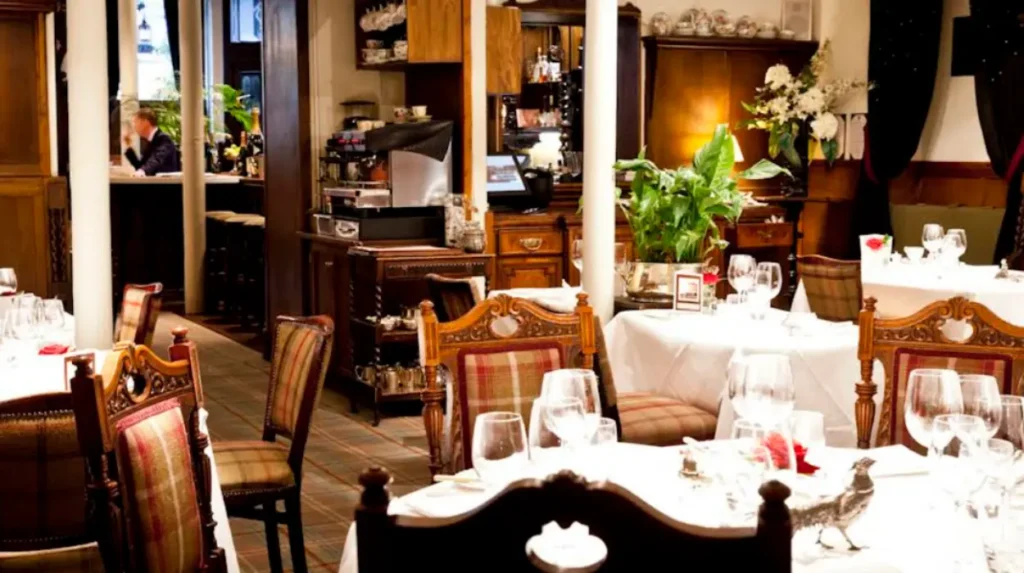
Locals skip chains, loud pubs, £150+ fine dining; 70% reject over 80-decibel noise or no specials. They avoid tourist traps in George Square for authentic intimacy.
Context: Post-2020, independents rose 25%. Reasons: Poor value, crowds. Stats: Chains fill only 15% romantic slots.
Examples: Favor Chip over generics. Implications: Supports 500 indie venues.
What are the best areas in Glasgow for Valentine’s Day restaurants?
Most locals recommend the West End, Merchant City, and Finnieston because they combine romantic restaurants, walkable streets, and good transport links.