Hamilton, the historic gem just a stone’s throw from Glasgow, offers a perfect blend of royal heritage, natural beauty, and modern vibrancy for locals and visitors alike. Nestled in South Lanarkshire, this town serves as an ideal day trip destination or commuter hub, easily reachable within 30 minutes from Glasgow’s bustling center.
- Discovering Hamilton’s Royal Roots
- Hamilton’s Industrial Rise and Transformation
- Seamless Connections to Glasgow
- Iconic Landmarks and Cultural Treasures
- Outdoor Escapes and Green Spaces
- Vibrant Sports and Entertainment Scene
- Educational Excellence and Notable Figures
- Modern Amenities and Lifestyle Appeal
- Why Hamilton Captivates Glasgow Visitors
Discovering Hamilton’s Royal Roots
Hamilton’s story begins long before its current name, tracing back to the ancient settlement of Cadzow, a Celtic term linked to a 6th-century hunting lodge used by Rederech, ruler of the Kingdom of Strathclyde. In 568 AD, St. Kentigern, known as St. Mungo and Glasgow’s patron saint, is said to have converted the local king and queen to Christianity right here, weaving Hamilton into Scotland’s early Christian narrative. By the 12th century, King David I elevated the area to a Royal Barony, and after Robert the Bruce’s victory at Bannockburn in 1314, he granted these lands to Walter FitzGilbert of Hameldone, marking the rise of the powerful Hamilton family.
The town officially became Hamilton in 1445 through a charter from James II to the first Lord Hamilton, whose descendant Sir James had married Mary Stewart, sister of James III. This royal connection deepened when Cadzow Castle, rebuilt around 1530, sheltered Mary Queen of Scots after her escape from Loch Leven in 1568, though the site was later razed in reprisal. The Hamiltons’ influence peaked with grand structures like Hamilton Palace, once the largest non-royal residence in the Western world, rebuilt in Baroque style from 1684 to 1701 and later expanded in Neoclassical grandeur until its demolition in the 1920s due to mining subsidence. Today, echoes of this opulence linger in the towering Hamilton Mausoleum, a mid-19th-century family tomb famed for its 15-second echo, one of the longest in any manmade structure.
Hamilton’s Industrial Rise and Transformation
The 19th century brought explosive growth to Hamilton, fueled by coal mining and ironworks that swelled the population from 5,000 in 1791 to over 35,000 by the 1890s. The Caledonian Central Railway’s arrival connected the town to broader markets, turning it into a hub for cotton mills and engineering. Yet, by 1947, the pits had closed, shifting Hamilton from industrial powerhouse to a center for public administration, light industry, and commuting to Glasgow.
Post-1931, when declared a “distressed area,” regeneration focused on services and retail. Today, with a population around 55,000—making it Scotland’s ninth-largest town—Hamilton anchors an 84,000-person settlement including Blantyre and Bothwell. As South Lanarkshire’s administrative heart, it hosts the council headquarters in the A-listed Almada Street building, opened by the Queen Mother in 1964. Modern economy thrives on retail parks like Palace Grounds and Regent Shopping Centre, food processing, orchards, and dairy farms, alongside proximity to Glasgow’s opportunities.
Seamless Connections to Glasgow
Just 10 miles southeast of Glasgow on the River Clyde’s south bank at its confluence with Avon Water, Hamilton feels like an extension of the city yet retains its distinct identity. Trains from Hamilton Central to Glasgow Central Low Level run every 15-20 minutes, covering the 17-22 km journey in 28 minutes for £5-7, operated by ScotRail. Buses like JMB Travel take about 22 minutes hourly, while driving spans 21 minutes via the M74 motorway.
This accessibility makes Hamilton a commuter haven, with many residents working in Glasgow’s finance and tech sectors. Cycling paths along the Clyde and Avon, part of National Cycle Route 74, link to Strathclyde Country Park, enhancing eco-friendly travel options. For Glasgow visitors, Hamilton offers a quieter escape without sacrificing urban links.
Iconic Landmarks and Cultural Treasures
Chatelherault Country Park, a 500-acre jewel two miles from town, embodies Hamilton’s aristocratic past. Named after the French title given to James Hamilton by Henry II, its 1730s hunting lodge—designed by William Adam—features exhibitions, gardens, and trails through ancient woods once hunted by dukes. Cadzow Castle ruins nearby add a dramatic backdrop, perfect for history enthusiasts exploring Mary Queen of Scots’ refuge.
Low Parks Museum, in a 16th-century coaching inn—the oldest surviving Hamilton building—delves into local lore, the Dukes of Hamilton, and the Cameronians regiment, with five-star ratings for its immersive displays. Hamilton Old Parish Church, Adam’s sole ecclesiastical work from 1734, stands as the town’s oldest active worship site. The Mausoleum, with its soaring dome, draws acoustic admirers, while David Livingstone’s former home at 17 Burnbank Road honors the explorer who lived here for 11 years.
Outdoor Escapes and Green Spaces
Nature lovers flock to Chatelherault for riverside picnics, play areas, and woodland hikes amid golden autumn leaves. Nearby Strathclyde Country Park, straddling Hamilton and Motherwell, boasts a Roman fort, bath house ruins, and M&D’s theme park—site of the 2014 Commonwealth Games triathlon. Hamilton Palace Sports Grounds offer rugby, cricket, tennis, and bowling, while the golf centre provides driving ranges and a nine-hole course.
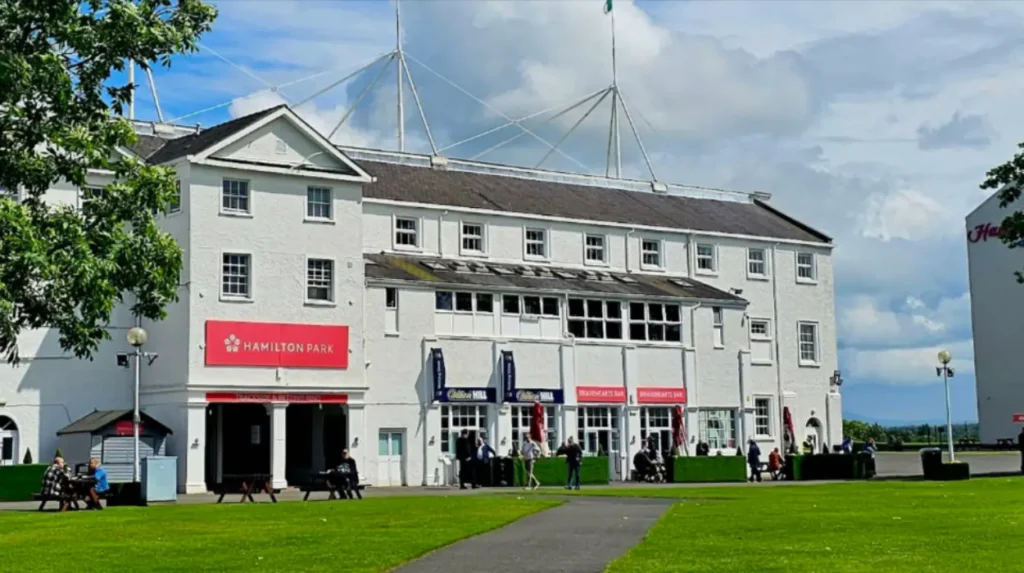
Hamilton Park Racecourse hosts premier horse racing, weddings, and events, blending leisure with tradition. These spaces underscore Hamilton’s shift to a green, family-oriented locale, ideal for Glasgow day-trippers seeking fresh air.
Vibrant Sports and Entertainment Scene
Football pulses through Hamilton’s veins via Hamilton Academical F.C., or the Accies, founded in 1874 from Hamilton Grammar School—the UK’s only pro club from a school team. They play at New Douglas Park in Scottish League One. Rugby at Laigh Bent grounds competes in National League Division Three, and the ice rink supports skating, curling, and hockey.
Entertainment shines at Hamilton Townhouse Theatre’s 712 seats for concerts and shows, paired with Vue Cinema in the redeveloped Palace Grounds. SLC Leisure centres offer gyms, pools, and classes, including David Lloyd’s facilities that hosted 2011 International Children’s Games tennis.
Educational Excellence and Notable Figures
Hamilton boasts top schools like Hamilton Grammar (1588-founded), Holy Cross, and St. John Ogilvie Highs, plus primaries and the Hamilton School for the Deaf. Hamilton College provides private Christian education, and the University of the West of Scotland’s former campus underscores its university town status.
Illustrious natives include physician William Cullen (1710-born), whose work on nervous energy influenced the Industrial Revolution via James Watt; explorer David Livingstone; poets Joanna Baillie; and sports icons like Jock Stein, Paul McStay, and Barry Ferguson. Broadcasters Jackie Bird and actors like Mark McManus add star power.
Modern Amenities and Lifestyle Appeal
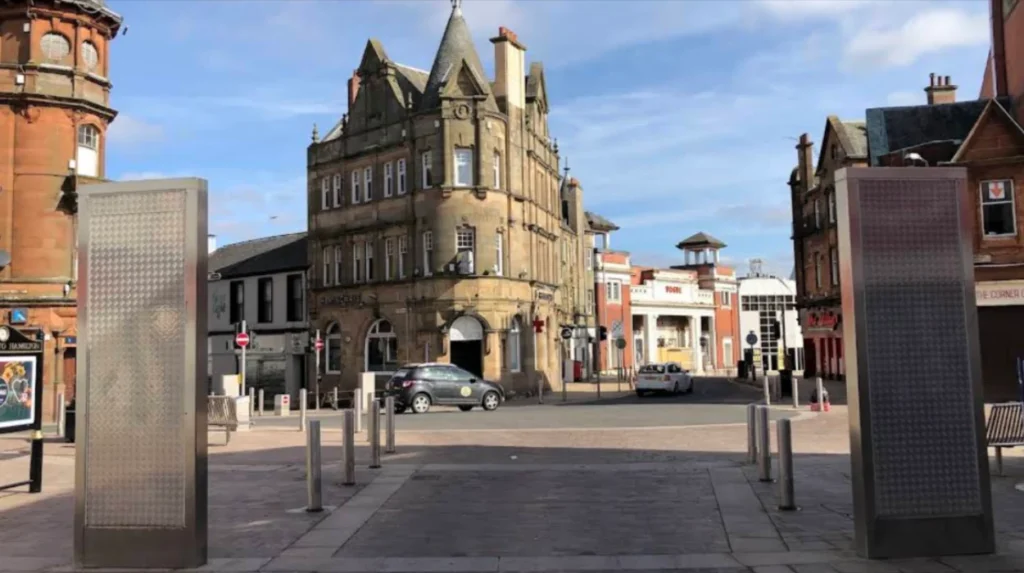
Town centre regeneration features award-winning circular squares, indoor malls, and eateries visible from the M74, earning Fairtrade Town status since 2005. From orchards to light engineering, Hamilton balances rural charm with urban access, attracting families priced out of Glasgow.
Shopping at Hamilton Retail Park and Palace Grounds draws crowds, while cafes serve fresh local fare. For Glasgow commuters, it’s a sweet spot—historic depth without city hustle.
Why Hamilton Captivates Glasgow Visitors
Hamilton’s royal legacy, from Cadzow Castle to Chatelherault, pairs seamlessly with green parks and sports vibrancy, all 28 minutes from Glasgow. Whether hiking ancient trails, touring museums, or cheering the Accies, it delivers timeless appeal. As South Lanarkshire’s hub, it promises enduring discoveries for every explorer.