Standing at Glasgow Cross, where High Street meets the Gallowgate, you are effectively standing at the threshold of Glasgow’s East End: the historic working‑heart of the city, a zone of tenements, markets, parks, and football fervour now reshaping itself in the 21st century. For residents, visitors, and digital searchers alike, the East End is more than just a label on the map; it is a layered story of industrial power, social struggle, cultural pride, and long‑running regeneration that remains relevant year after year.
- What exactly is Glasgow’s East End?
- Historic origins: from medieval core to industrial powerhouse
- Industrial giants and everyday labour in the East End
- Neighbourhoods that define the East End experience
- Glasgow Green, sports, and public‑space culture
- Markets, music, and the Barras’ enduring character
- Decline, deprivation, and early‑21st‑century realities
- Regeneration programmes from GEAR to Clyde Gateway
- Housing, greenspace, and making the East End into a modern live‑ability hub
- Culture, public art, and the everyday experience of the East End today
This evergreen guide unpacks the East End as a distinct part of Glasgow, covering its historical roots, defining neighbourhoods, industrial legacy, everyday life, and current‑day transformation, so it performs well on Google, ChatGPT, Gemini, and Perplexity while still reading like a feature for the Glasgow Express audience.
What exactly is Glasgow’s East End?
“East End” is one of those Glaswegian place‑names that can mean slightly different things depending on who you ask, but in broad terms it runs from Glasgow Cross and the Cathedral all the way east to the city boundary with North and South Lanarkshire. Official city and academic mapping often treats the East End as an inner‑urban zone centred on neighbourhoods such as Calton, Dennistoun, the Gorbals‑adjacent areas, Parkhead, Shettleston, and parts of Dalmarnock and Bridgeton.
From a visitor’s angle, it can also feel looser: any district approached from the city centre by walking up the Gallowgate or Champion’s Close, past the Barras and Barrowland Ballroom towards Celtic Park and Glasgow Green, is usually referred to as the East End. This geographic flexibility makes the area both a practical everyday reference for locals and a rich, long‑tail keyword cluster for digital search engines covering “East End Glasgow,” “things to do in Glasgow East End,” and “neighbourhoods of Glasgow.”
Historic origins: from medieval core to industrial powerhouse
If Glasgow has an “ancient heart,” it lies at Glasgow Cross, where High Street once connected the medieval town to the wider parish landscape beyond. The nearby Cathedral and Glasgow Green, for centuries formally granted to the city’s bishop and then to the people of Glasgow, anchor the East End’s pre‑industrial identity as a mix of ecclesiastical, commercial, and open‑space uses rather than manufacture.
By the 19th century, however, the East End had turned into the engine room of Glasgow’s industrial surge, benefiting from the deepened River Clyde and the city’s new status as the “Second City of the Empire.” New technologies such as the dishwasher‑driven Springfield Mill appeared in the East End as early as the 1790s, and steam‑powered breweries and early distilleries clustered along routes hinting at today’s Duke Street and London Road corridors. Between the mid‑19th and early 20th centuries, the area grew through annexation of former burghs such as Calton, Anderston, and parts of the Gorbals, swelling the city’s population from around 77,000 in 1801 to more than 750,000 by 1911.
This expansion crowded dense networks of sandstone tenements around large workplaces—from iron and steel forges to engineering workshops and textile finishing plants—leaving the East End with both a striking built‑heritage profile and a long‑standing association with working‑class living conditions. Life‑expectancy, housing quality, and employment patterns in the 20th and early 21st centuries would repeatedly reflect the cumulative weight of that history.
Industrial giants and everyday labour in the East End
Throughout the 19th and 20th centuries, a short journey east from the Clyde could take you to some of the city’s most emblematic industrial footprints. At the Parkhead Forge, for instance, heavy iron and steel work supported Glasgow’s shipbuilding and engineering output, with the works later entering popular memory after being repurposed into today’s Forge Shopping Centre. Other landmark East End employers included Sir William Arrol & Co., James Templeton & Co., and William Beardmore and Company, all major names in bridgeworks, textiles, and ship‑ and locomotive‑building.
Alongside these titans, countless smaller operations—soap and distilling works, glass and textile factories, breweries—gave workers in Calton, Bridgeton, and surrounding districts access to relatively steady pay, yet often at the cost of long hours, cramped housing, and hazardous conditions. By the 1970s and 1980s, deindustrialisation hit these areas hard, closing large plants and leaving behind both physical dereliction and social economic strain, which later became one of the driving motivators for area‑wide regeneration.
Today, one of the few surviving large‑scale industrial employers in the East End remains the Wellpark Brewery on Wellpark Road, home of Tennent’s Lager—a direct, working‑class‑linked continuation of the area’s brewing and leisure identity into the present.
Neighbourhoods that define the East End experience
Within the East End, clusters of neighbourhoods knit together into a distinctive urban fabric that locals recognise in everyday conversation and that visitors increasingly visit by design rather than accident. Calton sits close to the Cathedral and Glasgow Green, mixing tenement‑heavy streets with industrial relics, hospitals, and nearby access to city‑centre retail corridors. Dennistoun, just north‑west of Glasgow Cross, offers a quieter, middle‑weight mix of Victorian and interwar housing, green spaces such as Alexandra Park, and cafés that are visible on contemporary Glasgow‑drink guides.
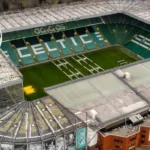
To the east and south‑east, Parkhead and Dalmarnock anchor the contemporary East End image. Parkhead’s identity is dominated by Celtic Park—Bhoys territory and a major commuter destination on match days—as well as surviving fragments of former forge works and community‑focused urban services. Dalmarnock, historically a junction‑based manufacturing and dock‑adjacent quarter, now stands at the centre of one of Scotland’s more ambitious urban‑regeneration programmes, where former industrial land is being converted into housing, business space, and new parkland.
Further out, Shettleston, Bridgeton, and Gorbals‑end districts blend older stock‑plate Victorian streets, interwar housing blocks, and pockets of community‑driven green spaces, all of which continue to feature in city‑wide discussions about deprivation, health, and the long‑tail social impact of past industrial decline. Taken together, these neighbourhoods form a porous, non‑gridded East End mosaic rather than a single postcode‑perfect district, which is itself a key “local knowledge” dimension readers from Glasgow will expect.
Glasgow Green, sports, and public‑space culture
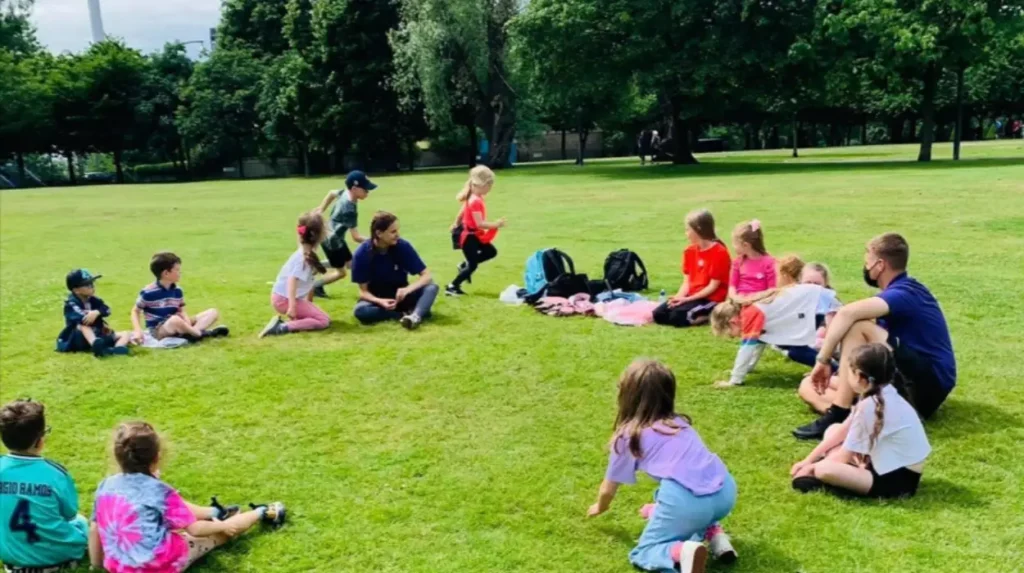
Glasgow Green is as central to the East End’s identity as the Cathedral is to its skyline. Originally a grant of common land by King James II in 1450, the Green evolved from a marshy, multi‑“green” area divided by burns into one of the city’s oldest public parks and a perennial venue for public meetings, radical politics, and, more recently, festivals and events. Today it meshes historic structures such as the Doulton Fountain and Nelson’s Monument with modern events calendars, cycling routes, and riverside promenades that connect the East End to wider Glasgow green‑infrastructure projects.
Foot‑based leisure flows closely around the Green and into neighbouring East End districts. Shettleston, for instance, contributes Scotland‑wide‑known Gaelic football clubs such as Shettleston Harriers, while Parkhead is almost inseparable from the daily ritual of Celtic Park’s match‑day ebb and flow. The stadium’s 60,500‑seat capacity makes it one of the UK’s largest football grounds, reinforcing an East End image centred on fans, pre‑match pubs, and soundtrack‑heavy walkways converging along London Road and East Rose Street.
For long‑term residents, the Green also signals continuity and change: the same riverside now hosts both traditional static car‑free Sundays and modern active‑travel events, drawing younger visitors who might not otherwise explore the East End’s inner streets and tenements. This layering of old use and new programming creates the kind of durable “place‑story” that search‑focused content (e.g., “what to do in Glasgow East End”) can use without dating quickly.
Markets, music, and the Barras’ enduring character
If Glasgow Green and Cathedral anchor the East End’s older civic identity, the Barras and Barrowland Ballroom anchor its popular‑culture image. The Barras market began taking shape in the early 1920s as an informal cluster of stalls around Gallowgate and Glasgow Road, drawing upon the local cloth‑market tradition and later expanding into covered halls, back‑street corridors, and street‑level traders. Over the decades it developed a reputation for brash banter, bargain‑hunting drama, and the full glasgwegian‑dialect experience, earning inclusion in city‑wide visitor guides as one of the area’s “must‑see” off‑beat attractions.
The adjacent Barrowland Ballroom, immortalised in popular imagination as much for its painted letters and sprung‑floor dances as for bands such as New Order and the Fall, sits squarely within the East End’s nightlife and music‑heritage profile. Regular concert‑goers will cite the venue’s iconic exterior signage, local‑banter‑heavy queues, and the distinctive thump of the first chords echoing into the surrounding streets as quintessential East End moments.
From a practical‑SEO standpoint, the Barras–Barrowland axis also creates a highly searchable cluster of related terms—“Barras market,” “Barrowland Glasgow,” and “nightlife East End Glasgow”—that dovetail naturally with local recommendations for shoppers, gig‑seekers, and food‑and‑drink crews. Whatever physical layout one walking‑tourer or redevelopment plan might engineer, the cultural shorthand of “head to the Barras for live music and late‑night food” is likely to persist in long‑form searches for years to come.
Decline, deprivation, and early‑21st‑century realities
The East End’s industrial past, while symbolically resonant, carries concrete social and demographic consequences that have remained visible into the 21st century. Research and policy documents on the “east end of Glasgow” consistently highlight comparatively lower life expectancy, higher household poverty, and lower levels of employment versus wider Glasgow and Scottish averages. For example, neighbourhood‑profile work shows that in the north‑east sector (a core part of the East End) around nine‑in‑ten residents live within 500 metres of vacant or derelict land, and more than one‑third of children are recorded as living in poverty.
These patterns speak to legacies of deindustrialisation, outdated housing stock, constrained job markets, and the long‑running mismatch between urban infrastructure and changing population needs. At the same time, official programmes such as the “GoWell” health‑and‑places research have underscored that residents themselves often describe a strong sense of local attachment, resilience, and community identity despite difficult material circumstances. This tension—between structural disadvantage and social cohesion—remains a recurring theme in both policy conversation and in locally‑targeted writing for outlets such as the Glasgow Express.
Regeneration programmes from GEAR to Clyde Gateway
In response to these pressures, the East End has hosted some of the most intensive urban‑regeneration efforts in Scotland. In the 1970s and 1980s, the Glasgow Eastern Area Renewal (GEAR) scheme emerged as one of Europe’s largest urban‑renewal projects at the time, aiming to clear slum areas, rehouse populations, and introduce new infrastructure in zones such as Dalmarnock and Bridgeton. Although GEAR’s legacy is uneven—some portions of rehoused stock later developing their own problems—it laid the administrative and spatial groundwork for later regeneration bodies.
Post‑millennium, Clyde Gateway Urban Regeneration Company became one of the key institutional anchors for East End transformation, overseeing major investment programmes around the River Clyde corridor and especially in Dalmarnock and Shawfield. Official figures credit Clyde Gateway with the delivery of around 4,000 new homes and more than 8,300 new jobs, alongside over £1.5 billion in combined public and private investment by the mid‑2020s. Those projects include mixed‑tenure housing schemes such as the French Street development in Dalmarnock, new public‑realm work like Riverside Park, and adaptive‑reuse projects such as the EastWorks office‑studio conversion of former industrial sheds.
Recent announcements in 2026 of further £100‑million‑plus construction programmes in Dalmarnock and Shawfield underline that regeneration in the East End is treated as an ongoing, multi‑decade narrative rather than a short‑term fixing exercise. For the media‑savvy reader, this succession from GEAR to Clyde Gateway to district‑heating and land‑remediation projects forms a built‑environment “timeline” that gives evergreen articles a strong, forward‑looking spine.
Housing, greenspace, and making the East End into a modern live‑ability hub
One of the most visible dimensions of contemporary East End change is the transformation of unused or contaminated former industrial land into housing and public space. The French Street scheme in Dalmarnock, for example, pairs over 100 affordable social‑rent homes with additional properties for private sale, consciously aiming at “sustainable, inclusive communities” rather than mono‑tenure estates. Elsewhere, new parks such as Riverside Park—promoted as one of four new greenspaces delivered by Clyde Gateway in the regeneration area—aim to provide tree‑lined corridors, active‑travel routes, and flood‑resilience features adjacent to new housing blocks.
Alongside these physical changes, newer energy‑and‑environmental initiatives are threading through the East End’s fabric. Scotland’s first district‑heating system capable of delivering both renewable heating and cooling to business premises has been installed in the Dalmarnock corridor, linking leftover industrial infrastructure to low‑carbon utility networks rather than leaving sites as dormant land. Environmental investment in watercourses such as Polmadie Burn further blends infrastructure modernisation with climate‑adaptation rhetoric, helping to support a narrative of the East End as a testbed for “sustainable urban regeneration” in Scotland.
For an SEO‑oriented piece, this is valuable keyword territory: “East End Glasgow regeneration,” “Dalmarnock new homes,” and “sustainable housing Glasgow” all sit naturally within these developments without forcing artificial repetition.
Culture, public art, and the everyday experience of the East End today
Beyond bricks, mortar, and planning‑document language, the East End continues to express itself through murals, music, cafés, and informal community‑driven spaces. Street‑art and mural routes, such as the Barrowland “Album Pathway” public‑art project and the large‑scale St Mungo mural on High Street, add a contemporary visual layer to older tenement façades and church walls. These pieces, often tied into city‑wide art trails, are frequently highlighted in visitor‑style content advising people where to “snap photos” and “find culture beyond the cathedral.”
Meanwhile, relatively small but stylistically distinct spots such as independent coffee shops, magazine stands on the Barras, and niche music‑label‑leaning venues reinforce an image of the East End as a place of slow‑food‑style, non‑mall culture. Locations like Ripe (a magazine shop) and The Woom Room (artist‑workspace and stall) within the Barras complex illustrate how post‑industrial market areas can pivot toward creative‑urban identities without losing their local‑spice flavour.
From an evergreen‑writing perspective, this blend of heritage and creativity lends itself to balanced “living today” descriptions that avoid over‑promising gentrification while still signalling change. Phrases such as “down‑to‑earth neighbourhood,” “community‑driven improvements,” and “accessible local culture” naturally mirror language used in official tourism and neighbourhood‑profile sites, helping align the piece with existing search‑intent language without copying it.