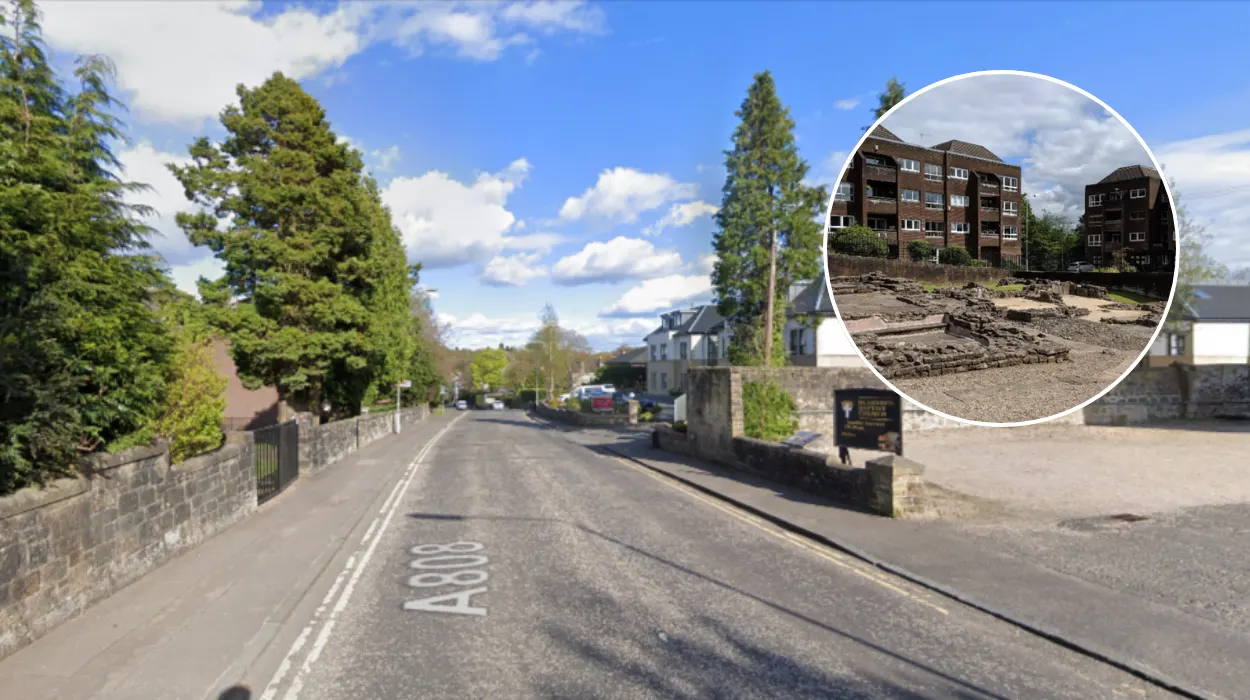
Bearsden, a charming affluent suburb nestled just six miles northwest of Glasgow’s bustling city center, offers a perfect blend of historical depth, modern comforts, and natural beauty. This East Dunbartonshire town captivates residents and visitors alike with its Roman heritage, Victorian elegance, and serene green spaces, making it an ideal spot for those seeking a peaceful escape from urban life.
- Ancient Roman Roots of Bearsden
- The Enigmatic Origins of the Name Bearsden
- Victorian Boom and Suburban Transformation
- Bustling Town Center at Bearsden Cross
- Diverse Neighborhoods and Housing Landscape
- Top-Tier Education in Bearsden
- Leisure and Sports Haven
- Connectivity and Daily Life
- Notable Figures from Bearsden
- Why Bearsden Endures as Glasgow’s Elite Suburb
Ancient Roman Roots of Bearsden
Bearsden’s story begins over 1,800 years ago with the Romans, who established a significant presence in the area during the second century AD. Under Emperor Antoninus Pius, between 142 and 144 AD, the Romans constructed the Antonine Wall, a turf and stone fortification stretching 63 kilometers from the Firth of Clyde to the Firth of Forth, marking the northernmost frontier of their empire. A 2.5-acre Roman fort once stood at the intersection of the Military Way and a north-south road linking Glasgow to Loch Lomond, serving as a key defensive outpost against Caledonian tribes.
Excavations have revealed well-preserved remnants, including a military bath-house built around 142-143 AD, uncovered in 1973 during housing development near the town center. Donated to the nation, this site now lies just 150 meters from Bearsden Cross, showcasing hypocaust heating systems and offering a tangible glimpse into Roman daily life. Further traces of the wall’s stone base appear in the New Kilpatrick Cemetery on Boclair Road, underscoring Bearsden’s pivotal role in this UNESCO World Heritage Site. Though the Romans abandoned the wall by 164 AD, retreating to Hadrian’s Wall, these artifacts continue to draw history enthusiasts exploring Bearsden’s ancient foundations.
The Enigmatic Origins of the Name Bearsden
The name “Bearsden” sparks curiosity, first appearing in records tied to a house near the 1863 railway station but predating it in local lore. Theories abound: it might derive from barley (“bear”) grown in a glen (“dene”), a Gaelic term for “entrenchments of the fort,” or a nickname for the Manse Burn area. A popular but unsubstantiated tale claims a local laird’s sons kept a pet bear in a den, though historians like James McCardel wisely note the true etymology remains unknown.
Prior to this, the settlement was known as New Kirk or the kirkton of New Kilpatrick parish, centered around a church built in 1649 and rebuilt in 1807. Early maps label it “New Kilpatrick,” reflecting its rural parish roots in an agricultural landscape dotted with mills and estates like Garscube and Killermont. This evolution from a humble hamlet to a named suburb mirrors Bearsden’s transformation into a desirable Glasgow commuter haven.
Victorian Boom and Suburban Transformation
Bearsden’s modern identity emerged in the mid-19th century as Glasgow’s industrial elite sought spacious homes beyond the city’s smog. The 1863 opening of the Glasgow and Milngavie Junction Railway, with Bearsden station, catalyzed growth, enabling daily commutes and spurring Victorian villa construction in the Old Bearsden Conservation Area. Glaswegian businessmen developed commutable estates, turning farmland into elegant suburbs lined with large sandstone houses.
Institutions followed: the Glasgow Reformatory for Girls relocated to East Chapelton in the late 1860s, providing countryside reform amid gardens and livestock until the 1970s. Philanthropic builds like Buchanan Retreat (1890) and Schaw Home (1895) added grandeur, later repurposed as council offices, hotels, and apartments. By 1906, developers like Mathew Henderson expanded Bearsden Cross, while 1913 saw Westerton Garden suburb emerge as another conservation gem near its station. This era solidified Bearsden as an affluent enclave, a status enduring today.
Bustling Town Center at Bearsden Cross
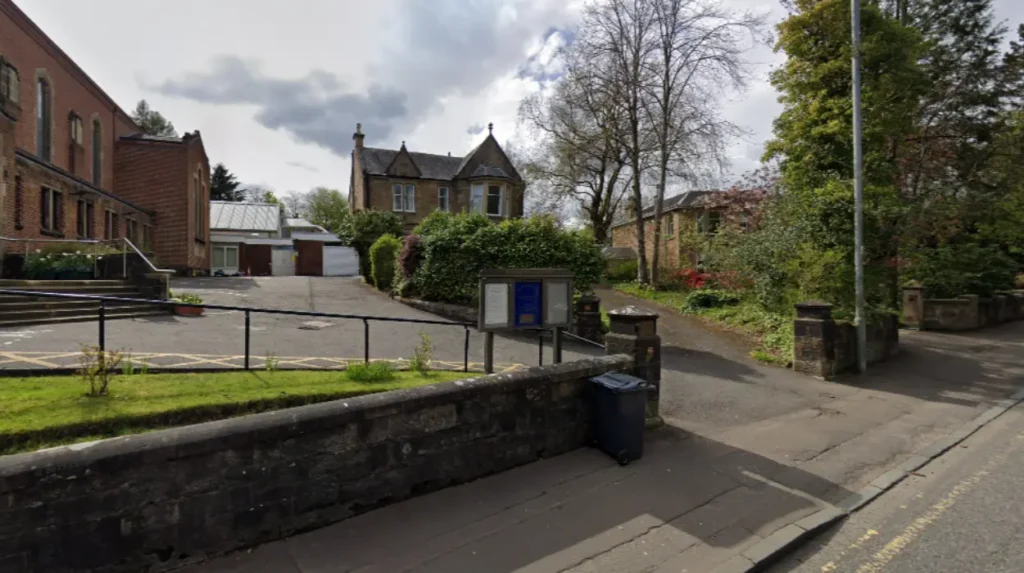
At the heart of Bearsden lies Bearsden Cross, the intersection of Drymen Road (A809) and Roman Road (A808), once called New Kirk. This vibrant hub features independent shops, eateries, and supermarkets catering to daily needs, alongside four active churches: Bearsden Cross Parish, All Saints Episcopal, New Kilpatrick Parish, and St. Andrew’s Roman Catholic. Bearsden Burgh Hall hosts events, while Brookwood Public Library offers community resources.
Nearby, the Roman bath-house stands as a free attraction, complemented by Bearsden Ski Club and the 24th Glasgow Scout Hall. The war memorial on Roman Road adds solemnity, overlooking a selection of cafes ideal for post-exploration coffee. This compact center embodies Bearsden’s walkable charm, blending retail convenience with cultural nods for locals and Glasgow day-trippers.
Diverse Neighborhoods and Housing Landscape
Bearsden’s neighborhoods blend seamlessly, each with distinct character. Old Bearsden boasts desirable Victorian villas on streets like Ledcameroch Road, part of an 1855 development plan. Westerton, southwest, features 1920s conservation architecture around Maxwell Avenue, with its own station and primary school. Northward, Castlehill and Baljaffray offer 1970s-1980s housing, the latter nodding to coal-mining history via its school logo.
Mosshead borders Milngavie, Hillfoot east of the center recalls a grand house, while Kessington, Killermont, Chapelton, and Canniesburn fill the rest with bungalows, estates, and modern flats on former hospital sites like Canniesburn. Detached homes dominate, fueling high property values—average sold prices hit £428,000 in 2025, with detached reaching £588,000, ranking G61 postcode among Britain’s wealthiest. This mix appeals to families valuing space and prestige near Glasgow.
Top-Tier Education in Bearsden
Education shines in Bearsden, with two high-performing secondaries: Bearsden Academy and Boclair Academy, both “well above average” in attainment, fed by seven primaries like Baljaffray, Bearsden, Castlehill, Mosshead, Killermont, Westerton, and Colquhoun Park. St Nicolas’ Primary serves Catholic secondaries elsewhere, while High School of Glasgow’s junior section operates locally post-1922 merger.
Cluster schools collaborate on curricula, emphasizing transitions, STEM, languages, and digital skills for seamless 3-18 learning. Proximity to Glasgow universities enhances opportunities, producing alumni like Nobel physicist David J. Thouless. Parents prize this system, contributing to Bearsden’s family-friendly reputation.
Leisure and Sports Haven
Bearsden pulses with activities. Five golf courses include Glasgow Golf Club (1787, Killermont), Windyhill (James Braid design), Bearsden (1891, nine holes), and Douglas Park. Annual Bearsden & Milngavie Highland Games at West of Scotland Rugby Ground feature traditional events.
Bearsden Ski Club (1964) offers alpine slopes and tubing for 1,200 members. Football thrives via Baljaffray FC, Bearsden Amateur (1890, Scottish Cup winners 1962), and Westerton United. Chess, scouting (24th and 183rd Glasgow Groups), Boys’ Brigade, and Girlguiding round out options, fostering community spirit. Kilmardinny Loch hosts Gruffalo sculptures, tying into local author Julia Donaldson’s legacy.
Connectivity and Daily Life
Excellent transport defines Bearsden: trains from Bearsden, Hillfoot, and Westerton stations link Glasgow frequently. Roads like A739 (Bearsden Road), A809 (Drymen Road), A808 (Roman Road), and A81 provide access. Cycling and walking paths along the Antonine Wall enhance eco-friendly commutes.
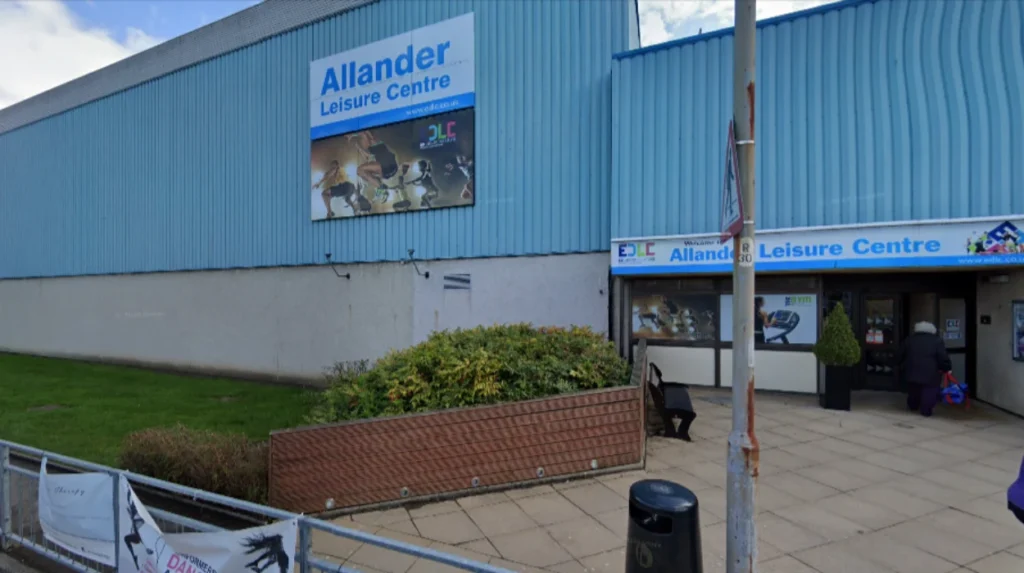
Demographics reflect prosperity: 2022 census shows 28,486 residents (13,626 males, 14,860 females), with 26% under 18, 53% working-age, 26% over 65; 73% drive to work, many ABC1 class. Low unemployment (235 on Jobseeker’s Allowance in 2011) and high life expectancy distinguish it from neighboring Glasgow areas. A leisure center and festivals like Bearsden Festival promote wellbeing.
Notable Figures from Bearsden
Bearsden has nurtured talent across fields. Sports stars include rowers Katherine Grainger (Olympic gold) and Beth Potter (2024 bronze triathlete), football managers Alex McLeish and David Moyes, and snooker player Alan McManus. Authors Julia Donaldson (The Gruffalo) and poets Edwin Morgan, artists Joan Eardley and Jessie M. King hail from here.
Musicians like Alex Kapranos (Franz Ferdinand), Edwyn Collins, and Johnny McElhone (Texas); actors Moira Shearer and Alan MacNaughtan; Nobel physicist David J. Thouless; and politicians like Baron Norman Macfarlane add prestige. These figures highlight Bearsden’s inspirational environment.
Why Bearsden Endures as Glasgow’s Elite Suburb
Bearsden’s allure lies in its seamless fusion of history, like the Antonine Wall, with contemporary living—affluent homes, elite schools, sports, and green escapes just minutes from Glasgow. Property demand drives rising prices, affirming its status as a top UK postcode. Whether tracing Roman baths, golfing at Killermont, or strolling Bearsden Cross, this suburb offers timeless appeal for families, professionals, and history lovers seeking the best of Scottish life near Glasgow.