Key Points
- A Connecticut Department of Correction review reportedly cleared the agency of direct responsibility for an inmate’s suicide.
- The report nevertheless identified actions that could have been taken to reduce the risk.
- Available search results do not identify the inmate, facility, report date, investigators or full findings from the cited Connecticut Post article.
- Recent coverage separately reported investigations into deaths at Connecticut prisons, including Garner Correctional Institution.
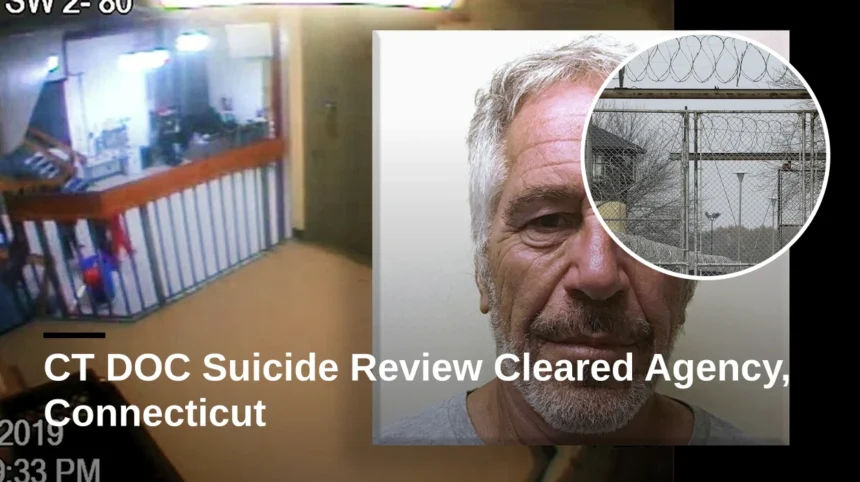
Waterbury (Glasgow Express) November 18, 2026 – A Connecticut Department of Correction review has reportedly cleared the agency in connection with an inmate’s death by suicide, while concluding that more could have been done to identify and manage warning signs. The finding, reported by the Connecticut Post, concerns the department’s response to the death and does not establish criminal wrongdoing. Available reporting retrieved for this article does not provide enough verified detail to name the inmate, identify the prison or summarise the report’s individual recommendations.
What did the Connecticut Department of Correction review find?
The cited report’s central finding was that the Connecticut Department of Correction was cleared in the inmate’s death, but that opportunities for intervention may have been missed. The available material does not include the full review, its methodology or the precise failures identified by investigators. It therefore cannot establish whether the concerns involved supervision, mental-health assessment, communication, documentation or follow-up care.
What has been reported about other Connecticut prison deaths?
Recent coverage identified investigations by the Connecticut Department of Correction and Connecticut State Police into multiple deaths in state prisons. A report reproduced by The Bristol Edition, citing Emilia Otte of CT Mirror, said three people died in Connecticut prisons during one week in February 2026, including two deaths at Garner Correctional Institution in Newtown. That coverage involved separate cases and does not show that the deaths were connected to the suicide review.
What is the background to the development?
Deaths in custody are typically examined through administrative reviews alongside any law-enforcement investigation required by the circumstances. Such reviews can clear an institution of direct responsibility while still identifying weaknesses in policy or practice. The available search results confirm broader scrutiny of Connecticut’s correctional system, including reporting on staff training and other operational shortcomings. They do not provide the full background to the specific inmate death described in the cited Connecticut Post report.
What could this mean for the report’s audience?
For families of incarcerated people, prisoners and correctional staff, the finding may reinforce the importance of transparent reviews that distinguish criminal responsibility from preventable institutional shortcomings. If the Connecticut Department of Correction publishes the complete report, its recommendations could clarify whether changes are needed in suicide-risk screening, observation, mental-health treatment or staff communication. The reported clearance may also make it harder for affected families to obtain a clear public account unless officials release supporting records. No verified information available here confirms whether the department has announced specific corrective measures.