
Fly-tipping is the illegal disposal of waste on public or private land without permission. In Glasgow, residents can report fly-tipping to Glasgow City Council so that dumped rubbish can be investigated, removed and, where evidence allows, traced to the person responsible.
- What Does Fly-Tipping Mean in Glasgow?
- How Can You Report Fly-Tipping in Glasgow?
- 1. Report Fly-Tipping Online
- 2. Use the MyGlasgow App
- 3. Report Fly-Tipping by Telephone
- Which Reporting Method Should Glasgow Residents Choose?
- What Information Should You Include When Reporting Fly-Tipping?
- Exact Location of the Dumped Waste
- Description and Quantity of Waste
- Photographic Evidence
- Witness and Vehicle Information
- Can You Report Fly-Tipping Anonymously?
- What Happens After You Report Fly-Tipping in Glasgow?
- Initial Assessment of the Complaint
- Investigation and Evidence Collection
- Waste Clearance
- Enforcement Against Offenders
- Which Areas of Glasgow Are Affected by Fly-Tipping?
- Southside Glasgow
- East Glasgow
- North Glasgow
- Glasgow City Centre and West End
- What Do Glasgow’s Enforcement Figures Show?
- What Is the Fine for Fly-Tipping in Glasgow?
- Who Is Responsible for Removing Fly-Tipped Waste in Glasgow?
- When Should You Contact SEPA or Police Scotland About Fly-Tipping?
- Reporting Hazardous Waste to SEPA
- Contacting Police Scotland
- Why Is SEPA Different from Glasgow City Council?
- How Can Glasgow Residents Prevent Fly-Tipping?
- Arrange an Authorised Bulky Waste Collection
- Use Registered Waste Carriers
- Use Recycling Centres
- Keep Communal Waste Areas Organised
- Report Repeated Dumping Locations
- What Should You Do If Someone Fly-Tips on Your Private Property in Glasgow?
- What Is the Future of Fly-Tipping Enforcement in Glasgow?
Reporting fly-tipping helps protect neighbourhoods, public spaces, roads, parks and waterways. It also supports environmental enforcement and prevents illegally dumped waste from becoming a long-term problem. Glasgow residents, visitors, landlords, businesses and property owners all have a role in identifying and reporting waste offences.
This guide explains how to report fly-tipping in Glasgow, what information to provide, how the council handles complaints, which waste-disposal activities are illegal and what penalties offenders face.
What Does Fly-Tipping Mean in Glasgow?
Fly-tipping means leaving, dumping or depositing waste illegally on land or in water without permission. It includes household rubbish, unwanted furniture, mattresses, electrical appliances, construction materials and commercial waste abandoned in public or private spaces.
Fly-tipping is an environmental crime under Section 33 of the Environmental Protection Act 1990. The legislation applies across Scotland and makes it an offence to deposit controlled waste, or knowingly cause or permit its unlawful deposit.
In Glasgow, fly-tipping commonly involves waste left in locations where it does not belong. Examples include:
- Household rubbish bags abandoned beside communal bins.
- Sofas, mattresses and wardrobes dumped on pavements.
- Broken electrical appliances left in residential streets.
- Building rubble and renovation materials abandoned on vacant land.
- Tyres and vehicle parts dumped in parks or industrial areas.
- Commercial waste deposited in rear lanes without an authorised disposal arrangement.
- Garden waste left beside roads or public footpaths.
Fly-tipping differs from ordinary littering because it generally involves the unlawful disposal of larger quantities or types of waste. However, even a relatively small amount of deliberately abandoned waste can constitute fly-tipping.
Why Is Fly-Tipping a Problem in Glasgow?
Glasgow is Scotland’s largest city, with residential neighbourhoods, commercial districts, industrial estates, parks and public transport corridors. Illegal waste disposal affects the appearance and cleanliness of these environments.
Dumped rubbish creates several problems. It attracts rats and other pests, blocks pedestrian access, creates unpleasant smells and increases the risk of injuries. Hazardous materials also contaminate soil and waterways.
Fly-tipping creates additional financial pressure on local authorities because council resources are required to investigate incidents, arrange clearance and maintain public spaces.
The Scottish Government estimates that approximately 26,000 tonnes of waste are fly-tipped across Scotland annually. Public-sector organisations spend at least £53 million each year clearing illegally dumped waste and dealing with litter.
How Can You Report Fly-Tipping in Glasgow?
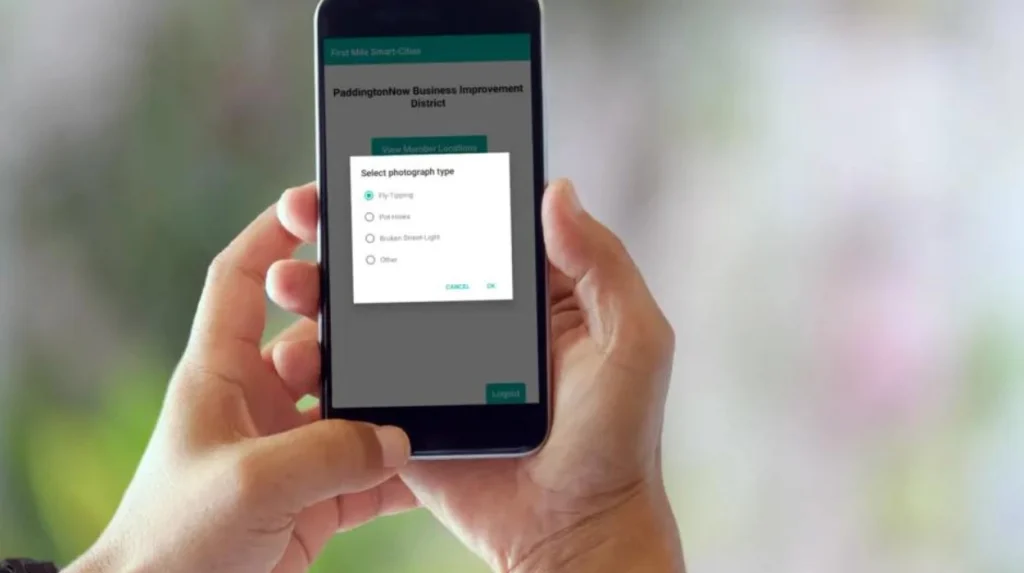
Glasgow residents can report fly-tipping through Glasgow City Council’s environmental reporting service, the MyGlasgow mobile application or by telephone. Provide the exact location, waste description, photographs and any information about vehicles or people involved.
Glasgow City Council is the main local authority responsible for receiving reports of fly-tipping on relevant public land within its administrative area.
Residents do not need to identify the offender before submitting a report. The council can receive information about an incident and assess whether further investigation is necessary.
There are several practical reporting methods.
1. Report Fly-Tipping Online
Online reporting provides a convenient way to notify Glasgow City Council about illegally dumped rubbish.
Visit the council’s environmental reporting service and select the relevant environmental issue. Enter the location and describe the waste so that the appropriate council team can assess the report.
The report should explain:
- The street name and nearest property number.
- The neighbourhood or postcode.
- The type of rubbish abandoned.
- The approximate quantity of waste.
- Whether the waste blocks a pavement, road or access route.
- Whether the incident is ongoing.
- Any available photographs or supporting evidence.
Residents should provide accurate information rather than estimating details they cannot confirm.
2. Use the MyGlasgow App
The MyGlasgow app provides another reporting option for residents who prefer using a smartphone.
The application supports environmental reports, including illegal waste dumping, graffiti, dog fouling and other neighbourhood issues.
The reporting process generally involves selecting the appropriate category, answering the relevant questions, providing photographic evidence and entering the location.
The application can also use location information to help identify where the problem occurred.
3. Report Fly-Tipping by Telephone
Residents who cannot access online services can contact Glasgow City Council’s environmental reporting service by telephone.
The published contact number for reporting fly-tipping and related environmental problems is:
Some Glasgow community organisations also publish 0141 287 1058 as a council environmental reporting contact. Residents should verify the current contact route through the council before relying on older telephone listings.
When calling, explain where the rubbish is located, what has been dumped and whether it presents an immediate danger.
Which Reporting Method Should Glasgow Residents Choose?
Online reporting is useful when photographs and precise location details are available. The MyGlasgow app offers convenient mobile reporting, while telephone reporting provides an alternative for people who prefer speaking to someone.
The most important step is ensuring that Glasgow City Council receives enough information to identify the incident and arrange an appropriate response.
What Information Should You Include When Reporting Fly-Tipping?
A useful fly-tipping report contains an accurate location, a description of the dumped materials, an estimated quantity, the discovery date and supporting photographs. Vehicle registration numbers and witness information also help council officers investigate suspected offences.
Providing detailed information improves the quality of an environmental complaint. A report that identifies the exact dumping location is easier to assess than a general description of rubbish somewhere in a neighbourhood.
Exact Location of the Dumped Waste
Location is one of the most important details.
Provide the street name, postcode, nearest building number or a recognisable landmark. For incidents in parks, rear lanes, car parks or vacant plots, describe the nearest entrance or access point.
For example, a report about dumped furniture in Govanhill should identify the street and the precise section of the pavement or back lane.
If the rubbish is located near a school, playground, public footpath or waterway, include that information.
Description and Quantity of Waste
Explain what the rubbish contains. Council officers need to understand the type and approximate scale of the incident.
Examples include:
- Three black household waste bags.
- Two mattresses and one damaged wardrobe.
- Approximately ten discarded tyres.
- Several bags of construction rubble.
- A collection of broken electrical appliances.
- A large pile of mixed commercial packaging.
Avoid describing everything simply as rubbish. Specific descriptions help identify possible hazards and determine the appropriate clearance arrangements.
Photographic Evidence
Photographs provide useful visual evidence of an incident.
Take pictures from a safe distance and include images showing the overall dumping location and individual waste materials.
Photographs should help establish the scale and position of the rubbish. They should not require anyone to touch, move or investigate potentially dangerous materials.
Witness and Vehicle Information
If you witnessed the dumping, include the approximate date and time.
Record relevant details such as:
- Vehicle registration number.
- Vehicle colour and type.
- Business name or identifying markings.
- Number of people involved.
- Direction in which the vehicle travelled.
- Any information about repeated dumping activity.
Do not approach suspected offenders or attempt to prevent them from leaving. Your safety is more important than collecting evidence.
Can You Report Fly-Tipping Anonymously?
Residents can provide information about suspected fly-tipping without personally confronting the offender. If anonymity is important, check the reporting channel’s privacy arrangements before submitting personal details.
Providing contact information can help investigators request clarification or additional evidence. However, a resident should not put themselves at risk to obtain information.
What Happens After You Report Fly-Tipping in Glasgow?
After receiving a fly-tipping report, Glasgow City Council assesses the location and nature of the waste, determines the appropriate response and arranges investigation or clearance where applicable. Enforcement officers examine available evidence to identify responsible individuals or businesses.
Reporting an incident does not automatically mean that the offender will be identified or prosecuted. Each case depends on the available evidence, the circumstances and the legal responsibilities associated with the land.
Initial Assessment of the Complaint
The council assesses the information supplied by the resident.
Officers need to establish whether the report concerns fly-tipping, ordinary litter, an authorised bulky waste collection or another environmental problem.
They also consider the location and potential risks.
For example, waste blocking a pavement requires attention to pedestrian access. A suspected hazardous waste deposit requires a different response from a small pile of household rubbish.
Investigation and Evidence Collection
Where appropriate, enforcement officers investigate the circumstances surrounding the incident.
Investigation methods include reviewing available evidence, visiting the location, examining dumped materials and making enquiries with nearby residents or businesses.
Council officers can also consider relevant CCTV footage where it is available and lawfully accessible.
Evidence found among dumped waste can provide investigative leads. However, finding an address or document inside rubbish does not automatically prove who deposited it.
Waste Clearance
Responsibility for clearing fly-tipped waste depends on where the incident occurs.
Glasgow City Council and other responsible public bodies deal with clearance from relevant public land. Private landowners generally have responsibility for waste deposited on their property.
The Scottish Government confirms that clearance responsibility depends on the location and the relevant duty body.
Residents should not assume that reporting waste on private property automatically transfers the clearance responsibility to the council.
Enforcement Against Offenders
When investigators obtain sufficient evidence, the council can take enforcement action.
This includes issuing fixed penalty notices where legally appropriate and referring serious cases for prosecution.
Glasgow’s enforcement approach also includes monitoring locations where repeated dumping occurs and working with relevant organisations to address environmental crime.
Which Areas of Glasgow Are Affected by Fly-Tipping?
Fly-tipping can occur in residential streets, communal bin areas, industrial estates, vacant land, parks and commercial locations throughout Glasgow. Reports should identify the exact dumping location rather than assume that an entire neighbourhood is affected.
The problem is not restricted to one part of the city. Different locations create different opportunities for illegal waste disposal.
Southside Glasgow
Residential neighbourhoods in Glasgow’s Southside include Govanhill, Pollokshields, Shawlands, Govan and Greater Pollok.
Back lanes, communal bin areas and residential streets require particular attention because abandoned furniture and household waste can obstruct access.
East Glasgow
Areas such as Dennistoun, Shettleston, Calton and the East Centre contain residential and commercial environments.
Illegal dumping in these locations can affect pavements, shared spaces, vacant sites and rear access routes.
North Glasgow
Maryhill, Springburn, Possilpark and surrounding neighbourhoods include residential streets, industrial locations and public spaces.
Dumped construction materials, unwanted furniture and household rubbish create environmental and access problems when abandoned in these areas.
Glasgow City Centre and West End
The city centre, Partick, Hillhead and surrounding West End locations experience substantial pedestrian and commercial activity.
Waste dumped beside commercial premises, public walkways and service lanes affects the appearance and accessibility of these busy locations.
What Do Glasgow’s Enforcement Figures Show?
Glasgow City Council’s published enforcement information provides evidence of action against fly-tipping.
A council enforcement report covering January 2024 to November 2025 records 396 fly-tipping fixed penalty notices across the listed enforcement areas.
The annual figures show:
- 23 notices in 2022.
- 80 notices in 2023.
- 117 notices in 2024.
- 176 notices in 2025.
The report identifies Southside Central and Govan among the areas with the highest recorded totals, with 93 notices each across the reporting period. Anderston/City/Yorkhill recorded 92 notices. onlineservices.glasgow.gov.uk
These figures represent fixed penalty notices, not the total number of fly-tipping incidents. They should not be interpreted as a complete ranking of neighbourhood cleanliness or as proof that other areas experience fewer incidents.
The figures demonstrate the importance of reporting environmental offences and maintaining enforcement activity across the city.
What Is the Fine for Fly-Tipping in Glasgow?
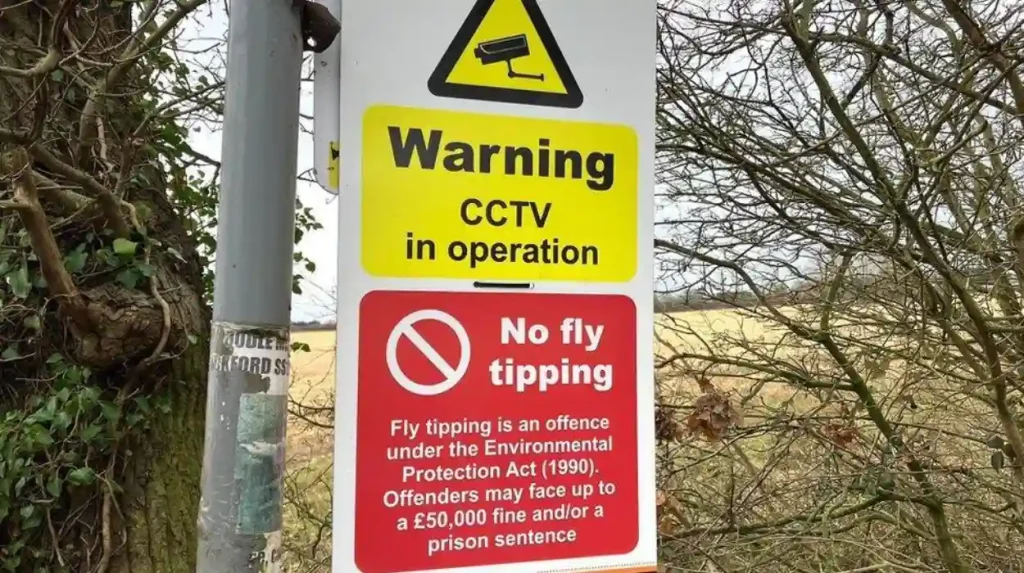
Fly-tipping is a criminal offence in Scotland under the Environmental Protection Act 1990. As of November 2026, an offender can receive a £500 fixed penalty notice. Serious cases can result in prosecution, substantial fines and imprisonment.
The Scottish Government strengthened its approach to illegal waste disposal to discourage irresponsible behaviour and improve environmental protection.
£500 Fixed Penalty Notice
A Fixed Penalty Notice (FPN) is a financial penalty issued by an authorised enforcement officer for an alleged offence.
The current fixed penalty for fly-tipping in Scotland is £500. Payment provides a way to discharge liability to conviction for the offence covered by the notice.
Receiving a fixed penalty notice does not mean that every case is automatically resolved. Serious offences and cases involving repeat offenders can proceed through the criminal justice system.
Court Fines and Imprisonment
Section 33 of the Environmental Protection Act 1990 establishes the criminal offence of unlawful waste disposal.
On summary conviction, the maximum penalty is:
- A fine of up to £40,000.
- Imprisonment for up to six months.
- Both a fine and imprisonment.
On conviction on indictment, the maximum penalty is:
- An unlimited fine.
- Imprisonment for up to five years.
- Both a fine and imprisonment.
The appropriate penalty depends on the seriousness of the offence and the circumstances of the case. Scottish Parliament Website+1
Penalties for Repeat Offenders
Habitual fly-tipping creates additional problems because offenders repeatedly abandon waste in public or private locations.
Enforcement authorities can investigate repeated incidents, collect evidence and refer appropriate cases to the Procurator Fiscal for prosecution.
The Scottish Government has also strengthened the legislative framework through the Circular Economy (Scotland) Act 2024, including provisions relating to fixed penalty powers for fly-tipping. Scottish Parliament
Who Is Responsible for Removing Fly-Tipped Waste in Glasgow?
The organisation responsible for removing fly-tipped waste depends on the land where the incident occurs. Glasgow City Council handles relevant public-land clearance, while private landowners generally remain responsible for removing waste from their own property.
Understanding land ownership helps residents direct reports to the correct organisation.
Waste Dumped on Public Land
Glasgow City Council is responsible for relevant public-land environmental services within its administrative area.
This includes responding to reports involving dumped rubbish on council-managed streets, pavements and other public spaces.
Other public bodies can have responsibilities for specific locations, depending on land ownership and management arrangements.
Waste Dumped on Private Property
If rubbish is deposited on privately owned land, the property owner generally has responsibility for arranging its removal.
Examples include:
- Private residential gardens.
- Privately owned vacant plots.
- Commercial premises.
- Private car parks.
- Industrial yards.
Landowners should contact the relevant council or environmental authority if the waste presents a significant environmental or public-health risk.
Waste Dumped Near Rivers and Waterways
Waste dumped beside a river, stream or watercourse requires particular attention.
Hazardous materials can enter waterways and damage aquatic habitats. Large waste deposits can also obstruct drainage and contribute to pollution.
The Scottish Environment Protection Agency (SEPA) is responsible for environmental regulation in Scotland. It can investigate pollution incidents and illegal waste activities within its regulatory remit.
Residents should report ordinary fly-tipping to the relevant local authority and notify SEPA when the incident involves water pollution, hazardous waste or substantial industrial dumping.
When Should You Contact SEPA or Police Scotland About Fly-Tipping?
Glasgow residents should contact SEPA when dumping involves serious environmental pollution, hazardous materials or large-scale illegal waste operations. Police Scotland should be contacted when an offence is happening, criminal activity presents an immediate danger or urgent police assistance is required.
Not every fly-tipping incident requires police involvement. Small-scale dumping normally belongs with the local authority.
However, certain incidents require additional attention.
Reporting Hazardous Waste to SEPA
SEPA investigates environmental incidents involving pollution and illegal waste activities.
Examples include:
- Suspected asbestos dumping.
- Large quantities of industrial chemicals.
- Oil or chemical contamination.
- Waste entering a river or stream.
- Large-scale commercial waste deposits.
- Illegal activity at regulated waste facilities.
SEPA provides an environmental incident reporting service.
For serious environmental incidents, including pollution and hazardous waste.
Contacting Police Scotland
Contact Police Scotland when someone is actively dumping waste and the situation involves threatening behaviour, suspected associated criminal activity or immediate danger.
Call 999 for emergencies requiring an immediate police response. Use 101 for non-emergency police matters.
Residents should not confront suspected fly-tippers, follow their vehicles or attempt to seize evidence.
Why Is SEPA Different from Glasgow City Council?
Glasgow City Council handles local fly-tipping reports and relevant public-space clearance.
SEPA regulates environmental activities and investigates certain serious waste offences and pollution incidents.
The organisations work within different responsibilities. A single incident can involve both organisations when the circumstances justify joint action. Scottish Environment Protection Agency+1
How Can Glasgow Residents Prevent Fly-Tipping?
Residents can help prevent fly-tipping by arranging authorised waste collections, using licensed waste carriers, recycling unwanted items and reporting suspicious dumping activity. Responsible disposal prevents rubbish from entering streets, communal spaces and environmentally sensitive locations.
Preventing illegal waste disposal requires cooperation between households, landlords, businesses, property managers and waste-management organisations.
Arrange an Authorised Bulky Waste Collection
Large household items should be disposed of through an appropriate collection service or authorised recycling facility.
Examples include sofas, beds, wardrobes, mattresses and large electrical appliances.
Residents should check Glasgow City Council’s current bulky waste collection arrangements before placing items outside.
A booked collection should not be confused with abandoned furniture. Follow the council’s instructions about collection dates, permitted locations and item preparation.
Use Registered Waste Carriers
Householders sometimes hire private individuals or businesses to remove unwanted rubbish.
The person arranging the removal remains responsible for ensuring that household waste is transferred to an appropriately authorised waste carrier.
Before hiring a waste removal company:
- Check its registration with SEPA.
- Ask where the waste will be taken.
- Confirm the agreed collection price.
- Request a receipt or transfer documentation.
- Keep evidence of the transaction.
An unusually cheap waste removal service can indicate irresponsible disposal practices.
The Scottish Government’s Duty of Care guidance explains the responsibilities involved in managing and transferring controlled waste. Scottish Government+1
Use Recycling Centres
Glasgow residents should use authorised recycling facilities for suitable household waste.
Different facilities accept different materials, so check the relevant site’s opening arrangements and accepted waste categories before travelling.
Examples include cardboard, scrap metal, electrical equipment and selected household materials.
Correct recycling reduces the quantity of waste requiring disposal and prevents unnecessary dumping.
Keep Communal Waste Areas Organised
Tenants, landlords and property managers should maintain suitable arrangements for communal waste disposal.
Practical steps include providing sufficient bin capacity, communicating collection schedules and ensuring that bulky items are not abandoned beside communal bins.
Housing associations and property managers can also display information explaining how residents should arrange legitimate waste collections.
Report Repeated Dumping Locations
Repeatedly affected streets and back lanes require continued attention.
Residents should report new incidents rather than assume that previous complaints cover future dumping.
Accurate reports help authorities identify recurring locations and consider appropriate monitoring or enforcement action.
Explore More Area Guide
Glasgow Bulky Waste Collection: Booking, Charges and Rules
Glasgow Recycling Guide: What Can and Can’t Be Recycled
What Should You Do If Someone Fly-Tips on Your Private Property in Glasgow?
If someone dumps waste on your private property, document the incident, report suspected criminal activity to the appropriate authority and arrange safe, lawful removal. Private landowners generally carry responsibility for clearing waste deposited on their land.
Fly-tipping on private property creates additional difficulties because the waste owner is often unknown.
A landowner should take reasonable steps to protect the site and prevent further dumping.
Record the Incident
Photograph the dumped materials and record when the waste was discovered.
Keep details of the location, estimated quantity and any available witness information.
Avoid opening suspicious containers or disturbing potentially hazardous materials.
Report the Incident
Contact Glasgow City Council if the incident requires local environmental enforcement involvement.
Contact SEPA if the dumping involves pollution, hazardous waste or significant industrial waste.
If the offence is ongoing and presents an immediate danger, contact Police Scotland through the appropriate emergency or non-emergency channel.
Arrange Safe Waste Removal
Landowners should use an authorised waste contractor to remove and dispose of the materials.
Keep receipts and relevant waste documentation.
Do not transport potentially hazardous materials yourself unless you are legally authorised and properly equipped to handle them.
Improve Site Security
Property owners can reduce repeat incidents through suitable preventative measures.
Examples include installing secure fencing, maintaining gates, improving lighting, displaying appropriate warning signs and arranging regular site inspections.
CCTV can also help identify suspicious activity where its use complies with applicable privacy and data-protection requirements.
What Is the Future of Fly-Tipping Enforcement in Glasgow?
Fly-tipping enforcement in Glasgow depends on effective public reporting, council investigations, environmental regulation and stronger waste-management practices. National legislation and coordinated enforcement provide additional tools for reducing illegal dumping and protecting communities.
Scotland’s National Litter and Flytipping Strategy provides a wider framework for tackling waste crime and improving environmental conditions.
The strategy focuses on prevention, behaviour change, enforcement and better coordination between responsible organisations.
Stronger Environmental Enforcement
The Circular Economy (Scotland) Act 2024 strengthens Scotland’s legislative framework for tackling waste-related offences.
Its provisions include powers relating to fly-tipping fixed penalties and measures supporting wider action against waste crime.
Effective enforcement requires reliable evidence, appropriate investigative resources and cooperation between local authorities and environmental regulators.
Greater Public Participation
Residents provide an important source of information about illegal dumping.
Online reporting, smartphone applications and photographic evidence make it easier to notify authorities about incidents.
Public participation also helps identify repeated dumping locations and encourages responsible waste disposal.
Improved Waste Management
Better recycling facilities, accessible bulky waste collections and responsible commercial waste arrangements help address some of the circumstances associated with illegal dumping.
Businesses and households must understand their waste responsibilities and use authorised disposal routes.
Protecting Glasgow’s Public Spaces
Cleaner residential streets, accessible pavements, safe parks and protected waterways contribute to better neighbourhood environments.
Addressing fly-tipping requires more than removing abandoned rubbish. It also involves identifying offenders, preventing repeated incidents and ensuring that waste reaches authorised disposal facilities.
Glasgow residents can contribute by reporting incidents promptly, providing accurate evidence and disposing of unwanted materials responsibly.
Reporting fly-tipping in Glasgow is an important way to protect neighbourhoods, public health and the environment. Glasgow City Council provides environmental reporting routes through its online services, the MyGlasgow app and telephone support.
Residents should provide accurate location information, photographs and relevant details about the dumped materials. SEPA handles relevant serious pollution and waste incidents, while Police Scotland deals with emergencies and appropriate criminal matters.
Scotland’s £500 fixed penalty for fly-tipping and the possibility of prosecution demonstrate the seriousness of illegal waste disposal.
By reporting incidents and following responsible waste-disposal practices, Glasgow residents can help reduce environmental crime and maintain cleaner public spaces throughout the city.
How do I report fly-tipping in Glasgow?
You can report fly-tipping to Glasgow City Council through its online environmental reporting service, the MyGlasgow app or the council’s telephone reporting service. Provide the location, waste description and photographs.