Key Points
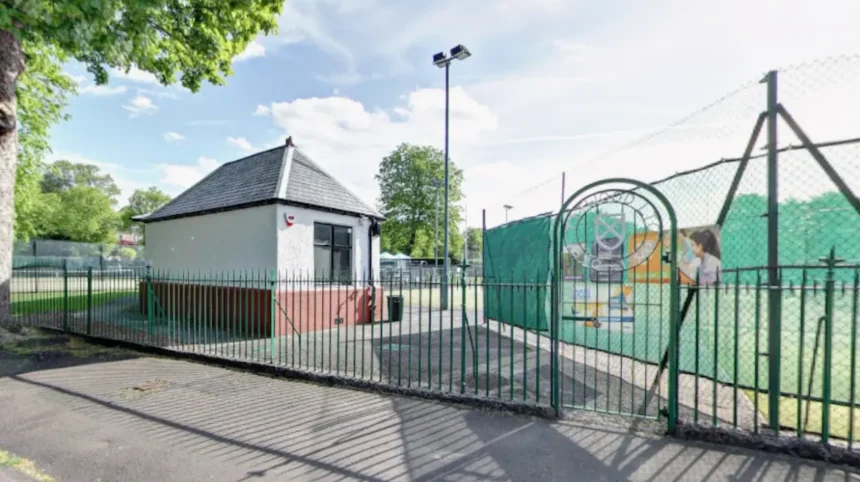
- Application Site: Proposal to construct three padel courts with acoustic screening and a single-storey reception building on the site of two disused tennis courts within Titwood Bowling Club on Glencairn Drive, Pollokshields.
- Volume of Objections: A total of 79 formal objections have been submitted to Glasgow City Council by local residents.
- Primary Resident Concerns: Key issues raised include acoustic disturbance from “roofless courts”, light pollution from floodlighting, adverse impacts on surrounding residential properties, and potential disruption to the character and appearance of the designated local conservation area.
- Developer Investment: Gancho Padel Club proposes a £500,000 private investment to upgrade sports infrastructure, secure the financial future of the historic bowling club, and encourage active lifestyles.
- Revisions Made: The developer altered initial designs following public feedback by removing covered canopies and converted shipping containers, alongside submitting an updated acoustic impact assessment.
- Planning Officer Recommendation: Glasgow City Council planning officers have officially recommended that planning permission be granted, stating the scheme meets local development policies and includes appropriate mitigation measures.
Glasgow (Glasgow Express) October 28, 2026 — As reported by Sarah Hilley of Glasgow Live, a total of 79 formal objections have been lodged with Glasgow City Council regarding the planning application situated at Titwood Bowling Club on Glencairn Drive in the Southside neighbourhood of Pollokshields. The application details plans to replace two disused traditional tennis courts within the bowling club grounds with three modern padel courts equipped with acoustic screening. In addition to the court installations, the proposed development includes the construction of a new single-storey hub building designed to host changing facilities, showers, toilets, a reception desk, and a small retail space.
- Key Points
- What Specific Concerns Have Pollokshields Residents Raised Regarding Noise and Conservation?
- How Have the Developers Responded to Community Feedback and Planning Guidelines?
- Background of the Particular Development
- Prediction: How This Development Can Affect the Local Community and Sports Infrastructure
Despite the significant number of formal public representations submitted against the development, Glasgow City Council planning officers have officially recommended that permission be granted for the project. In the planning evaluation report prepared for committee consideration, council officers concluded that the applicant has provided sufficient evidence, environmental documentation, and design adjustments to satisfy local planning policy parameters. The official council assessment stated that overall, it is considered that the applicant has provided sufficient information to demonstrate and mitigate against the potential impacts of the development, while maintaining that the scheme will adequately protect the special character and heritage interests of the local conservation area.
What Specific Concerns Have Pollokshields Residents Raised Regarding Noise and Conservation?
As noted by Sarah Hilley of Glasgow Live, opposition to the application stems primarily from nearby householders worried about the operational footprint of the outdoor leisure facility. Local objectors expressed deep reservations regarding environmental and amenity disruptions, focusing heavily on noise emissions generated from open-air, “roofless courts.” Unlike traditional tennis, padel involves solid composite rackets striking a pressurized ball against toughened glass and mesh enclosures, which residents argue produces sharp, repetitive percussive sounds capable of disturbing quiet residential surroundings.
Beyond noise disturbance, formal representations detailed significant concerns regarding light pollution from tall floodlighting columns required for evening play, increased traffic congestion along residential streets, and heightened demand for on-street parking. Objectors further emphasized the visual impact of modern court enclosures, perimeter fencing, and lighting infrastructure on the historic urban fabric of Pollokshields, arguing that the installation would detract from the visual amenity, architectural unity, and prevailing tranquil character of the designated local conservation area.
How Have the Developers Responded to Community Feedback and Planning Guidelines?
As reported by Sarah Hilley of Glasgow Live, Harvey Moyes, Director of Gancho Padel Club, addressed the community concerns by highlighting both the sports development opportunities and the design changes integrated into the submission. As reported by Sarah Hilley of Glasgow Live, Harvey Moyes stated:
“Titwood Bowling & Tennis Club is a fantastic sporting club with a proud history, and our proposals represent a £500,000 investment in bringing new sporting facilities to Pollokshields while helping to secure the long-term future of Titwood.”
In response to initial community engagement and feedback from local residents, the development team revised their site master plan to reduce visual and structural impact. As reported by Sarah Hilley of Glasgow Live, Harvey Moyes explained:
“We have listened carefully to the local community and made meaningful changes to our plans in response to feedback, including removing canopies and converted shipping containers and bringing our noise assessment up to date.”
Moyes further reiterated the central objective of the proposal, adding:
“Our ambition is to build on Titwood’s sporting heritage, create new opportunities for people to get active and deliver lasting benefits for the local community.”
Supporters of the planning bid maintain that the facility will boost public participation in racket sports, promote healthier lifestyle habits, and ensure the ongoing viability of an established neighborhood sports club.
Background of the Particular Development
The planning dispute at Titwood Bowling Club highlights a growing structural trend across the United Kingdom concerning traditional sports venues and the rapid expansion of padel tennis. Established in the late 19th century, Titwood Bowling Club represents a historic sporting institution within Pollokshields, one of Glasgow’s earliest planned garden suburbs designated as a conservation area due to its Victorian and Edwardian architectural heritage. In recent decades, traditional lawn bowling and lawn tennis clubs across Scotland have faced declining active memberships, rising operational costs, and deferred maintenance challenges, prompting clubs to explore alternative commercial revenue streams and modern multi-sport offerings to maintain financial solvency.
Padel—a racket sport originating in Mexico that combines elements of tennis and squash within an enclosed glass court—has emerged as one of the fastest-growing sports globally. Its rapid popularity in urban centers across Britain has driven a surge in planning applications seeking to convert underutilized lawn spaces or obsolete tennis courts into commercial or member-accessible padel hubs. However, the unique acoustic characteristics of padel, characterized by short-range, high-frequency impacts against rigid walls, have led to recurring planning friction across suburban environments. Similar proposals across Glasgow, including recent applications in Hillhead and surrounding Southside areas, have consistently triggered neighborhood disputes regarding noise, acoustic screening standards, light spill, and commercialization within residential and conservation zones.
Prediction: How This Development Can Affect the Local Community and Sports Infrastructure
Should Glasgow City Council follow the recommendation of its planning officers and formally approve the application, the decision will directly impact several distinct local interest groups across Pollokshields and the broader Southside area.
For Local Residents and Property Owners
If the development proceeds under the approved conditions, nearby residents on Glencairn Drive and adjacent streets will experience a permanent shift in their immediate micro-environment. While acoustic screening and regulated operating hours are designed to dampen operational sound, residents will likely notice increased ambient noise levels during peak evening and weekend play periods, along with modified visual views due to court enclosures and lighting. The installation will test the efficacy of urban acoustic mitigation in designated conservation zones. Positively, proximity to modern, high-quality sporting amenities can enhance broader neighborhood appeal for active families, though local street parking capacity may face periodic pressure during peak booking windows.
For Titwood Bowling Club Members and Local Sports Enthusiasts
For the membership and management of Titwood Bowling Club, the approval and subsequent £500,000 private capital injection from Gancho Padel Club offer long-term financial stability and updated physical infrastructure without relying on municipal grants. The introduction of three padel courts diversifies the venue’s recreational appeal, attracting younger demographics, families, and multi-sport participants who might not otherwise engage with traditional bowling facilities. For racket sport enthusiasts in Glasgow’s Southside, the facility provides local access to an increasingly popular sport, reducing the need to travel to out-of-town indoor commercial hubs and expanding opportunities for structured coaching, social leagues, and winter exercise.
For Future Planning and Development Precedents
A final decision to grant planning permission despite 79 formal objections will establish an important regulatory precedent for Glasgow City Council’s Planning Applications Committee. It will demonstrate that specialized sports developments can clear conservation and acoustic planning hurdles provided applicants update noise impact assessments, eliminate obtrusive structures like shipping containers or large canopies, and agree to operational controls. This outcome is likely to encourage similar sports clubs and private padel operators across Scotland to pursue urban conversion projects on underused sporting land, relying on acoustic engineering solutions to navigate neighborhood objections in historic residential settings.