Key Points
- A total of 450 new homes are officially planned for construction on the derelict land where the Red Road tower blocks once stood in Glasgow.
- The housing development project is moving forward after more than a decade of the site remaining largely vacant following the demolition of the high-rise flats.
- Wheatley Homes is set to construct affordable housing on the Barmulloch plot, with ongoing discussions at a council meeting indicating potential inclusion for private homes.
- The broader Red Road Transformational Regeneration Area (TRA) partnership and Glasgow City Council have been working through long-term regeneration strategies for the northeast corridor of the city.
Glasgow (Glasgow Express) September 30, 2026 – Long-awaited plans to construct hundreds of new residences on a demolished high-rise site in Glasgow are finally moving forward after more than a decade of sitting vacant.
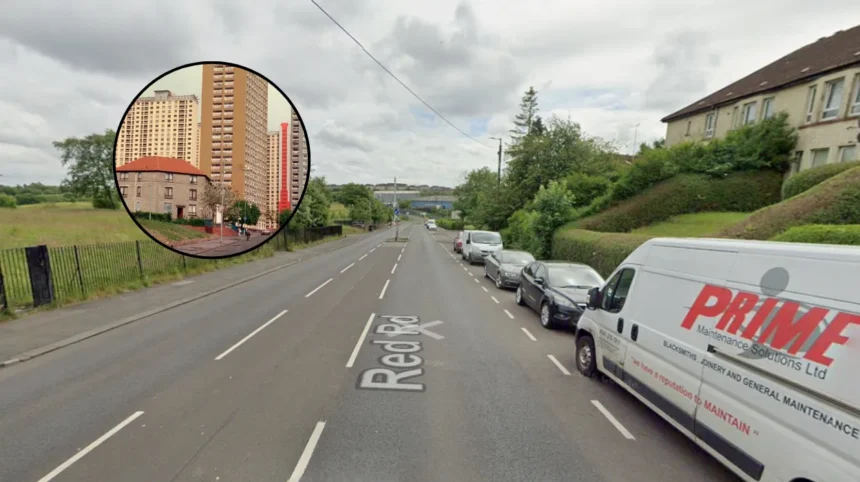
As reported by Sarah Hilley, Local Democracy Reporter of Glasgow Live, a total of 450 homes are set to be built on the derelict land where the Red Road tower blocks once stood. The long-dormant plot located between Balornock and Barmulloch in the northeast of the city is entering a new chapter of physical regeneration.
What Are the Details of the 450-Home Development Plan?
According to details shared during a local council meeting, Wheatley Homes is set to construct affordable housing on the Barmulloch plot. Furthermore, it is hoped that a mix of private homes may also be developed on portions of the site to diversify the housing stock and encourage balanced residential growth.
The progression marks a significant milestone for the Red Road Transformational Regeneration Area (TRA). For roughly ten years, the expansive land parcel has remained a stark reminder of Glasgow’s shifting post-war housing policies, leaving local community members and councillors eager for definitive action and economic investment.
How Has the Site Evolved Since the Demolition of the Tower Blocks?
The Red Road flats, once among the highest residential tower blocks in Europe, were systematically demolished in phases between 2012 and 2015. While initial visions aimed for a rapid transformation of the skyline and surrounding neighbourhoods, the vast footprint left behind faced prolonged delays in securing viable, funded masterplans for comprehensive rebuilding.
As noted by municipal authorities and local reports, previous phases of the wider regeneration initiative successfully delivered hundreds of social rent properties within Barmulloch. However, the core footprint of the former towers remained an unbuilt brownfield site, drawing persistent local scrutiny regarding the pace of community regeneration.
Background of the Particular Development
The Red Road estate originally consisted of eight multi-storey blocks of steel-frame construction built between 1964 and 1969, designed to house thousands of residents as part of Glasgow Corporation’s ambitious post-war urban renewal framework. Over the decades, the estate experienced complex social shifts, periods of severe socioeconomic decline, and subsequent revitalisation efforts—such as the introduction of 24-hour concierges and secure entry systems in the 1980s and 1990s—before being formally condemned in 2008.
The phased destruction of the towers concluded in 2015, leaving behind expansive open land managed under the Red Road Transformational Regeneration Area partnership between Glasgow City Council, housing associations, and local stakeholders. Despite earlier regeneration wins nearby, the central footprint of the iconic structures languished as a vacant site for over ten years, prompting continuous advocacy from community representatives for renewed investment, family housing, and structural economic healing in northeast Glasgow.
Prediction
This long-awaited development is poised to reshape the socio-economic landscape for local residents, families, and prospective home buyers in northeast Glasgow. By introducing 450 modern, energy-efficient affordable and potentially private homes to the Barmulloch and Balornock communities, the project will directly alleviate local housing waiting lists and inject fresh consumer footfall into nearby commercial corridors. For the immediate community, the transformation of a prominent decade-long wasteland into a vibrant residential neighbourhood can act as a powerful catalyst for civic pride, psychological closure regarding the loss of the old skyline, and broader economic revitalisation across the city’s northeast sector.