Key Points
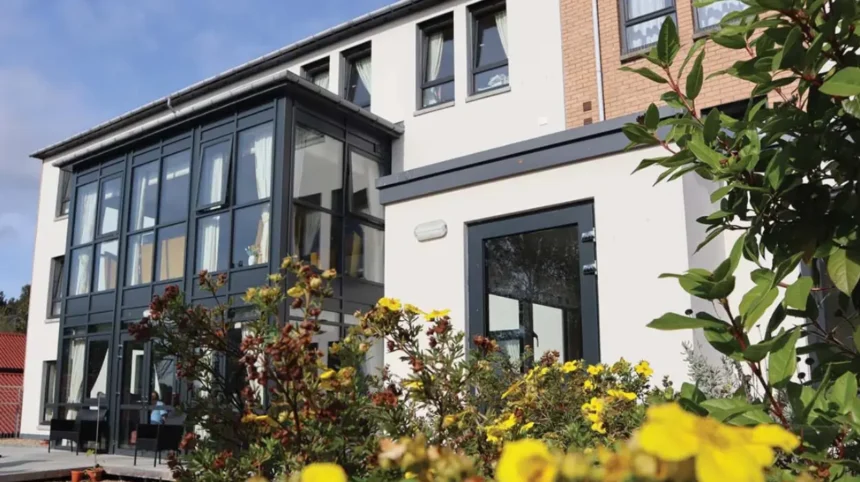
- At Westerton Care Home, located in Bearsden, the outdoor area of the care home has been transformed into an interactive garden.
- This garden has elements such as walkways, raised planters, defined seating areas, and plantations that can be touched.
- All of these elements have been designed in order to ensure outdoor activities, physical activity, and interaction among the residents.
- There will be scented herbs, colorful seasonally flowering plants, lush green foliage, and sounds generated through the help of elements like wind chimes and water fountains.
- This is a garden that is tailored for people suffering from dementia, helping them to remember things and lower their anxiety levels.
Bearsden (Glasgow Express) September 2, 2026 – Westerton Care Home in Bearsden has unveiled a newly transformed outdoor sensory garden designed to enhance resident wellbeing, foster social connections, and encourage time spent in nature. The care facility updated its grounds into a multi-use environment tailored to support older adults and individuals living with cognitive conditions through gentle movement, tactile exploration, and outdoor engagement.
- Key Points
- Why Was the New Sensory Garden Created at Westerton Care Home?
- How Does the Sensory Garden Benefit Residents Living with Dementia?
- What Physical Features Have Been Installed in the Outdoor Space?
- Background of Sensory Space Development in Care Facilities
- Prediction: How Will This Development Affect Care Home Residents and Staff?
Why Was the New Sensory Garden Created at Westerton Care Home?
The redevelopment of the outdoor space was undertaken to create a functional extension of the care home’s indoor living quarters. Designed with accessibility at its core, the garden aims to reduce isolation and encourage residents to spend time outdoors regardless of mobility levels.
Home Manager Heather Lundie stated that “we have created a new outdoor space that is more than just a collection of plants and pathways.”
The design focuses heavily on sensory integration. By incorporating a variety of textures, scents, sounds, and visual elements, the space allows residents to engage with nature in a safe, structured setting.
How Does the Sensory Garden Benefit Residents Living with Dementia?
Sensory gardens are recognized within adult social care for providing therapeutic benefits to individuals with memory loss and cognitive impairment. The Bearsden facility incorporated specific features to aid spatial orientation and emotional regulation.
- Tactile and Olfactory Stimulation: Raised plant beds allow residents seated in wheelchairs or using walking aids to touch and smell plants easily. Plantings include aromatic herbs like lavender and rosemary, alongside textured greenery.
- Auditory and Visual Features: The integration of gentle water features and tuned wind chimes provides calming auditory cues, while brightly colored seasonal flowers assist with visual tracking and recognition.
- Cognitive Familiarity: The physical engagement provided by nature paths and raised beds can trigger personal memories associated with gardening, aiding reminicence therapy and helping lower stress or agitation levels.
What Physical Features Have Been Installed in the Outdoor Space?
The layout was constructed with smooth, continuous pathways to prevent trip hazards and allow unassisted navigation for residents using mobility devices. Key physical additions to the garden include:
| Feature | Description & Purpose |
| Raised Bed Planters | Positioned at accessible heights for interactive gardening and close contact with flora. |
| Paved Level Pathways | Non-slip, wide routes that accommodate wheelchairs and walking frames without steps or sudden inclines. |
| Zoned Seating Areas | Varied seating arrangements including shaded benches and open areas for both private reflection and group socialising. |
| Sensory Elements | A combination of running water features, wind chimes, textured foliage, and fragrant flower varieties. |
Background of Sensory Space Development in Care Facilities
Over the past decade, residential care facilities across the United Kingdom have increasingly shifted toward non-pharmacological interventions to support the mental health and emotional stability of older residents. Sensory gardens are a key component of this approach, developed to mitigate the sensory deprivation that can occur in institutional care settings. Research from healthcare bodies continuously indicates that regular, safe exposure to natural light and outdoor environments assists in regulating circadian rhythms, improving sleep quality, and encouraging independent physical activity among care home residents.
Explore More Bearsden News
Man hospitalised in Bearsden Station Road crash, 2026
Bearsden Antonine Wall Fortlet Discovered 2026
Prediction: How Will This Development Affect Care Home Residents and Staff?
The introduction of the sensory garden at Westerton Care Home is expected to produce measurable changes in daily facility routines and individual resident outcomes.
- For Residents: Regular access to the therapeutic garden is likely to lead to reduced levels of anxiety and agitation, particularly among those with dementia. The accessible pathways and physical layout will facilitate increased daily physical activity, helping residents maintain baseline mobility and balance. Social interaction among peers, as well as during family visits, is anticipated to improve due to the dedicated communal seating areas.
- For Care Staff: The multi-sensory environment provides care teams with an effective tool for de-escalation and holistic therapy. Having a secure, accessible outdoor area allows staff to conduct group activities and individual therapy sessions outside, contributing to a more varied daily schedule and potentially reducing dependence on medication for mood management.