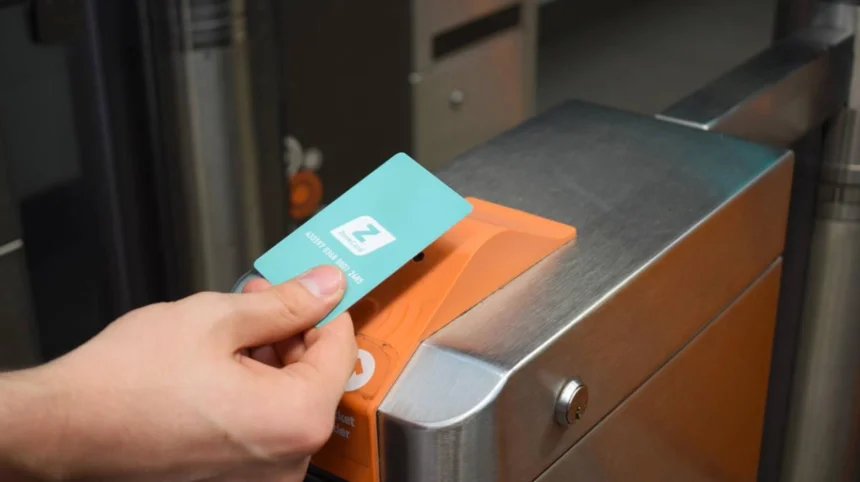
The Glasgow SPT ZoneCard is an integrated public transport ticket covering participating buses, ScotRail services and Glasgow Subway travel across selected SPT zones. Its value depends on journey frequency, zones used and how many transport modes a traveller regularly combines.
- How does the Glasgow SPT ZoneCard work?
- Which transport operators and services accept the ZoneCard?
- What are the current Glasgow SPT ZoneCard prices?
- How much can a ZoneCard actually save?
- How much can flexible ZoneCard tickets save?
- Is the ZoneCard cheaper than buying separate bus, train and Subway tickets?
- Who benefits most from buying a Glasgow ZoneCard?
- How did ZoneCard become part of Scotland’s integrated transport system?
- How much does a ZoneCard smartcard cost?
- Is ZoneCard still good value after Glasgow Subway fare changes?
- What are the main limitations of the Glasgow SPT ZoneCard?
- How should Glasgow passengers calculate their own ZoneCard savings?
- What does the evidence say about integrated ticketing in Scotland?
- Is the Glasgow SPT ZoneCard worth buying?
The SPT ZoneCard is the integrated ticketing product administered by the Strathclyde Partnership for Transport (SPT) for public transport across the west of Scotland. SPT is the regional transport partnership responsible for coordinating and supporting transport across the Strathclyde area.
ZoneCard combines participating bus, rail and Subway travel into one period ticket. Instead of purchasing separate tickets from different operators, a passenger selects the zones required and travels within those zones for the duration of the ticket.
The current ZoneCard system is available on a smartcard. SPT states that tickets can cover one zone, selected combinations of zones or all zones. Available durations include one day, one week, four weeks, 10 weeks and annual tickets, alongside flexible 3-in-7-day and 10-in-28-day products.
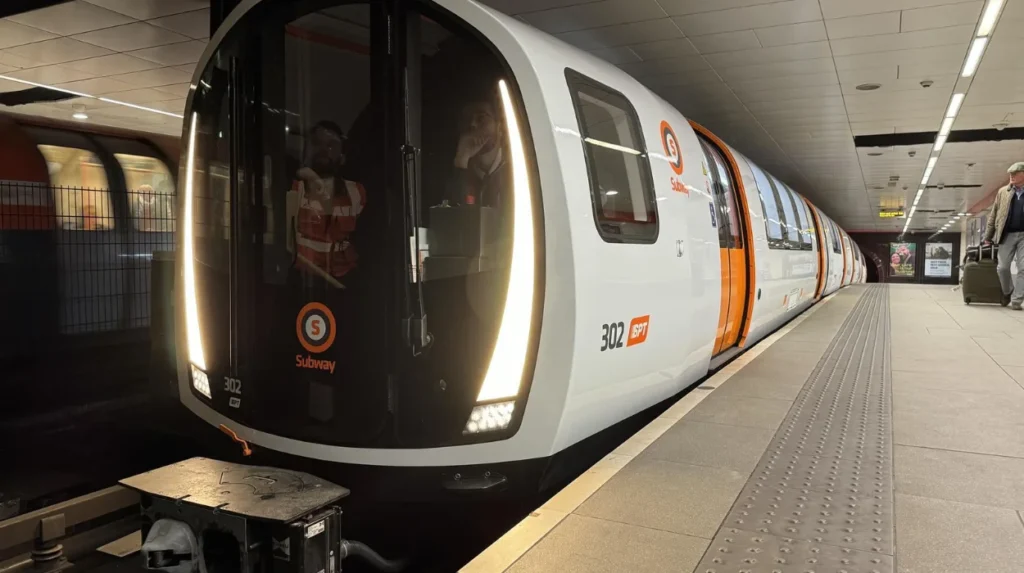
The central attraction is multi-modal travel. A passenger who travels by bus in the morning, ScotRail in the afternoon and Glasgow Subway later in the day can use one eligible ZoneCard rather than managing separate tickets for each participating service.
Transport Scotland identifies ZoneCard as one of Scotland’s established integrated ticketing products. Its national smart-ticketing information describes ZoneCard as covering rail, bus and Subway within its designated boundaries.
How does the Glasgow SPT ZoneCard work?
The ZoneCard works by assigning travel validity to geographic zones rather than a single route. A passenger buys the required zone combination and duration, then uses the smartcard on participating buses, ScotRail services and Subway journeys covered by those zones.
ZoneCard is different from a normal single-operator season ticket because its validity is based on the selected geographical area and participating transport operators.
Zone 1 covers central Glasgow and important destinations including the city centre, West End, Merchant City, University of Glasgow, University of Strathclyde, Glasgow Caledonian University and Kelvingrove Museum.
When Zone 2 is included, Zone 1 is automatically included. This means a Zone 2 ticket is not restricted only to locations physically inside Zone 2. It provides access to Zone 1 as well.
The same principle applies to other permitted combinations. SPT publishes specific combinations such as Zones 2+3, 2+4, 2+5, 2+6, 2+7, 3+4 and 5+6.
The passenger therefore needs to identify the locations between which regular journeys take place before buying a ticket. A ZoneCard that covers unnecessary territory increases the purchase price without automatically increasing the financial return.
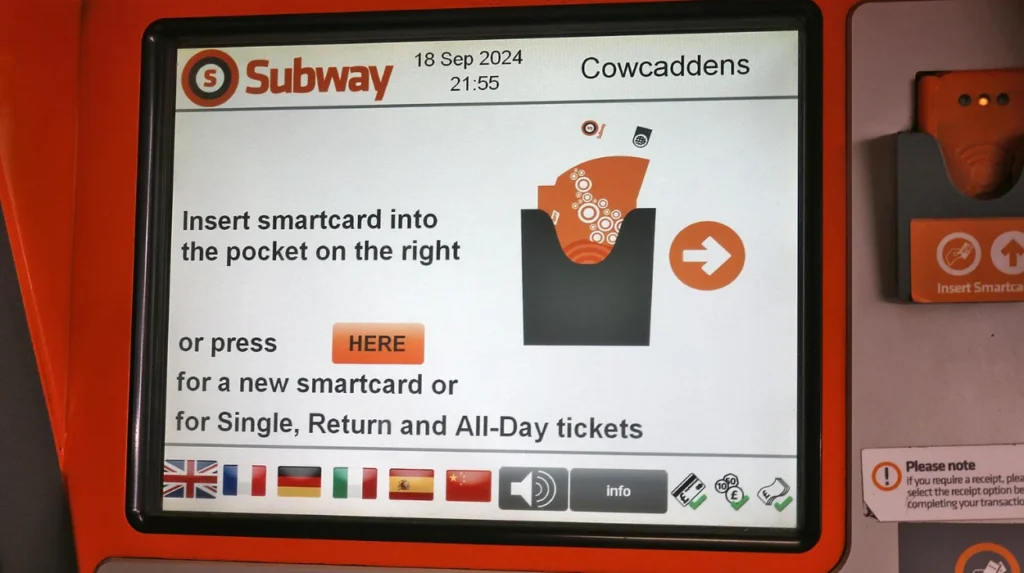
On buses, SPT instructs passengers to present the ZoneCard to the reader when boarding and state the destination to the driver. On ScotRail, passengers use the card at ticket gates or platform validators where applicable. On the Subway, the card is presented to the designated reader at the ticket gate.
Which transport operators and services accept the ZoneCard?
ZoneCard provides integrated access to participating bus services, ScotRail rail services and Glasgow Subway services within the relevant zones. Its purpose is to connect multiple transport modes and operators under one ticket rather than replace every operator-specific ticket.
The key transport modes are bus, rail and Subway. Transport Scotland specifically describes ZoneCard as an integrated product covering these modes within the SPT area.
The participating operator list is important because ZoneCard validity depends on the services included in the scheme. SPT maintains a dedicated list of ZoneCard operators covering rail, bus and Subway services.
This distinction matters for passengers comparing ZoneCard with individual operator products. A ticket that looks cheaper on paper does not provide the same level of flexibility if it only covers one operator or one transport mode.
For example, a passenger who normally uses only Glasgow Subway services can compare ZoneCard with the Subway’s own Smartcard season tickets. In 2026, an adult Subway seven-day ticket costs £15.50, while the 12-month Subway Smartcard ticket costs £515.
A ZoneCard becomes more relevant when the passenger also needs participating buses or ScotRail services.
What are the current Glasgow SPT ZoneCard prices?
Current adult ZoneCard prices range from £8.90 for one day in Zone 1 to £3,978 for an annual all-zones ticket. Weekly prices range from £31 for Zone 1 to £102 for all zones, with different prices for intermediate zones and combinations.
SPT’s current published adult fares provide a useful basis for calculating the real cost of ZoneCard travel. The prices below reflect the current fare information published by SPT.
For Zone 1, the adult price is £8.90 for one day, £31 for one week, £112 for four weeks, £264 for 10 weeks and £1,209 annually.
For Zone 2 including Zone 1, the adult price is £11.70 for one day, £41 for one week, £148 for four weeks, £349 for 10 weeks and £1,599 annually.
For Zone 3, the adult price is also £11.70 for one day and £41 for one week. The four-week price is £148, the 10-week price is £349 and the annual price is £1,599.
For Zone 4, the adult price is £13.80 daily, £48 weekly, £173 for four weeks, £408 for 10 weeks and £1,872 annually.
For Zone 5, the adult price is £24 daily, £84 weekly, £302 for four weeks, £714 for 10 weeks and £3,276 annually.
For Zone 6, the adult price is £10.70 daily, £37 weekly, £133 for four weeks, £315 for 10 weeks and £1,443 annually.
For Zone 7, the adult price is also £10.70 daily, £37 weekly, £133 for four weeks, £315 for 10 weeks and £1,443 annually.
Selected two-zone combinations include £49 weekly for Zones 2+3, £53 for Zones 2+4, £92 for Zones 2+5 and £56 for Zones 2+6 or 2+7.
An all-zones adult ZoneCard costs £29 for one day, £102 for one week, £367 for four weeks, £867 for 10 weeks and £3,978 annually.
These prices demonstrate why the question “How much does ZoneCard save?” does not have one universal answer. The saving depends on what the passenger would otherwise spend.
How much can a ZoneCard actually save?
ZoneCard savings are strongest for frequent passengers who combine transport modes and use their selected zones extensively. The clearest guaranteed calculation comes from comparing repeated ZoneCard purchases with the equivalent annual ticket, while individual journey savings depend on operator fares.
A useful starting point is the difference between buying a weekly ticket repeatedly and purchasing an annual ZoneCard.
For Zone 1, 52 weekly tickets at £31 would cost £1,612. The annual ZoneCard costs £1,209. That creates a theoretical annual saving of £403 when a passenger would otherwise buy 52 weekly Zone 1 ZoneCards.
For Zone 2, 52 weekly tickets at £41 would cost £2,132. The annual ticket costs £1,599. The difference is £533.
For all zones, 52 weekly tickets at £102 would cost £5,304. The annual ticket costs £3,978. The difference is £1,326.
These calculations compare ZoneCard products with other ZoneCard products. They do not claim that every passenger saves those amounts against individual bus, rail or Subway fares.
A second calculation compares four-week tickets with the annual product. Buying 13 four-week Zone 1 tickets costs £1,456, compared with £1,209 for the annual ticket. The difference is £247.
For Zone 2, 13 four-week tickets cost £1,924 compared with £1,599 annually, producing a difference of £325.
For all zones, 13 four-week tickets cost £4,771 compared with £3,978 annually, producing a difference of £793.
The practical saving is therefore greatest when a passenger maintains continuous use throughout the year.
How much can flexible ZoneCard tickets save?
Flexible ZoneCard tickets reduce the cost of occasional multi-modal travel compared with buying separate ZoneCard day tickets. The adult 3-in-7 and 10-in-28 options suit passengers who travel regularly but do not need an unlimited ticket every day.
SPT offers adult flexible ZoneCard products covering 3 days within 7 days and 10 days within 28 days.
For Zone 1, the 3-in-7 ticket costs £24. Three individual £8.90 day tickets cost £26.70. The flexible product therefore saves £2.70, equivalent to roughly 10.1% against three individual ZoneCard day tickets.
The Zone 1 10-in-28 ticket costs £71. Ten individual day tickets would cost £89. The difference is £18, equivalent to roughly 20.2%.
For Zone 2, the 3-in-7 ticket costs £32. Three individual £11.70 day tickets cost £35.10. The saving is £3.10.
The Zone 2 10-in-28 ticket costs £94. Ten individual day tickets would cost £117. The saving is £23.
For all zones, the 3-in-7 ticket costs £78. Three £29 day tickets would cost £87, creating a £9 saving.
The all-zones 10-in-28 ticket costs £232. Ten individual £29 day tickets would cost £290, producing a £58 saving.
These examples show that flexible tickets are designed for users whose travel patterns sit between occasional day trips and full-time commuting.
Is the ZoneCard cheaper than buying separate bus, train and Subway tickets?
ZoneCard is not automatically cheaper than separate tickets for every passenger. Its strongest financial case occurs when regular journeys involve multiple participating modes or destinations within the selected zones, because one ticket replaces several transport purchases.
The price comparison depends on the passenger’s actual journeys.
A person travelling only on the Glasgow Subway has access to operator-specific products. In 2026, adult Subway contactless travel costs £1.80 per single journey, with a £3.40 daily cap and a £15.50 weekly cap.
A Zone 1 weekly ticket costs £31. Therefore, a Subway-only passenger does not automatically gain value from purchasing a Zone 1 ZoneCard.
The difference becomes more significant for someone who needs several transport modes. A commuter could require a bus journey to a railway station, a ScotRail journey into Glasgow and a Subway connection within the city. Separate tickets create separate fare calculations. ZoneCard provides one integrated product where the relevant services and zones are covered.
Transport Scotland’s research confirms that integrated tickets are designed to provide a single ticket for multi-operator or multi-modal journeys. The research also notes that integrated products can have a price premium because they provide greater flexibility.
The correct financial test is therefore not simply “Is ZoneCard cheap?” The correct question is “What would the same journeys cost without ZoneCard?”
Who benefits most from buying a Glasgow ZoneCard?
Frequent commuters, students, workers and residents who regularly combine buses, ScotRail and Subway services within defined zones generally receive the strongest practical value from ZoneCard. Occasional travellers benefit more from flexible or daily tickets when travel frequency remains limited.
A five-day-a-week commuter is the clearest ZoneCard use case. SPT specifically identifies regular travellers using more than one transport mode or operator as customers for whom ZoneCard can provide value and convenience.
The product also suits people making multiple journeys during a day. A single ZoneCard does not require the passenger to buy a separate ticket every time they switch between covered services.
Students can also benefit where accommodation, university buildings, employment and social activities fall across different zones. The exact value depends on the locations and whether the student’s journeys use participating services.
Residents travelling from surrounding towns into Glasgow also have a strong reason to examine ZoneCard. ZoneCard coverage extends beyond central Glasgow, with locations across the wider SPT area.
Tourists require a different calculation. A visitor staying in central Glasgow who makes only a few Subway journeys can find operator-specific fares more appropriate. A visitor making repeated rail, bus and Subway journeys across several days can compare flexible ZoneCard options against individual tickets.
How did ZoneCard become part of Scotland’s integrated transport system?
ZoneCard developed as part of Scotland’s wider integrated-ticketing approach, bringing different transport modes and operators under common ticketing arrangements. Transport Scotland identifies ZoneCard as an established integrated product within the SPT area.
Integrated ticketing has a long history in Scotland. Transport Scotland’s historical research states that integrated tickets had operated for more than 30 years by the time of its earlier smart-ticketing review.
The SPT ZoneCard was established as a multi-operator product covering bus, train and Subway travel in the Strathclyde area.
Earlier research identified ZoneCard as a period ticket operating alongside individual operator tickets. The same research highlighted the principal advantage of integrated ticketing: passengers can use different modes and operators without purchasing a new ticket at every interchange.
ZoneCard subsequently moved into the smart-ticketing environment. The current SPT system uses a smartcard that can carry season, daily and flexible ZoneCard products. Transport Scotland’s national smart-ticketing information confirms that ZoneCard operates with Scotland’s wider ITSO smartcard environment.
The development reflects a broader Scottish policy objective of improving smart and integrated public transport ticketing.
How much does a ZoneCard smartcard cost?
A new ZoneCard smartcard costs £5, while the travel ticket itself is charged separately. Existing suitable smartcards from participating systems can also be used for ZoneCard purchases in certain circumstances.
SPT currently lists the price of a new ZoneCard smartcard as £5.
ZoneCard tickets can be purchased online through the ZoneCard system or at participating Payzone stores across the ZoneCard area.
SPT states that customers buying at Payzone need a suitable smartcard. Eligible cards include ZoneCard smartcards and certain participating transport smartcards, including National Entitlement Cards and cards associated with Subway, ScotRail, McGill’s and Stagecoach services.
The £5 card cost should therefore be treated as an initial ticketing cost rather than a recurring weekly or monthly transport fare.
Is ZoneCard still good value after Glasgow Subway fare changes?
ZoneCard remains useful for multi-modal travel because its purpose extends beyond Subway-only journeys. Subway fare changes affect the comparison, but they do not change ZoneCard’s fundamental benefit of combining participating bus, rail and Subway travel within selected zones.
Glasgow Subway fares changed from 5 January 2026. The adult Smartcard and contactless single fare became £1.80, while the daily fare became £3.40 and the seven-day fare became £15.50.
These prices create a lower-cost benchmark for Subway-only passengers.
A commuter who only uses Subway travel should therefore compare the ZoneCard price against Subway Smartcard or contactless pricing.
A commuter who uses a bus to reach the Subway, travels on the Subway, and also uses ScotRail should compare the complete multi-modal cost instead.
ZoneCard’s value therefore depends on integration, not simply the cheapest individual fare for one mode.
SPT’s own guidance states that customers travelling regularly with more than one transport mode or operator across their selected zones are among the users for whom ZoneCard offers value and convenience.
What are the main limitations of the Glasgow SPT ZoneCard?
ZoneCard does not provide unlimited travel everywhere in Scotland, and it does not automatically represent the cheapest option for every route. Its validity depends on selected zones, participating operators, ticket duration and the passenger’s actual travel pattern.
The first limitation is geographic. A ZoneCard is only valid within its selected zone structure.
The second limitation is operator participation. The ticket covers participating services rather than every possible public transport service in the region.
The third limitation is price. Integrated tickets provide flexibility, but that flexibility has a cost. Transport Scotland research has consistently identified the pricing of integrated tickets as an important factor in customer adoption.
The fourth limitation is that single-mode users often have more targeted alternatives. A passenger who travels almost exclusively on ScotRail, for example, should compare the relevant ScotRail fare or season ticket with ZoneCard.
The fifth limitation concerns travel frequency. Someone travelling only a few times per month does not necessarily need an annual or four-week ticket.
These limitations do not undermine the ZoneCard concept. They define the circumstances in which it delivers financial value.
How should Glasgow passengers calculate their own ZoneCard savings?
Passengers should calculate their normal weekly or monthly transport spending, identify every zone and participating mode used, then compare that cost with the equivalent ZoneCard duration. The cheapest option depends on actual journeys rather than the ZoneCard headline price.
Start by listing the regular journeys.
For example, a commuter can record:
Bus from home to station.
ScotRail from the suburban station to Glasgow.
Subway journeys within the city.
Bus journeys after work.
Additional weekend journeys within the same zones.
The next step is to identify the minimum ZoneCard coverage required for those journeys.
The passenger should then compare the cost of individual tickets, operator season tickets and ZoneCard.
For frequent travel, compare four-week and annual ZoneCard prices. For irregular travel, compare daily and flexible products.
A useful break-even calculation is:
ZoneCard cost ÷ average cost of an equivalent travel day = number of travel days required to recover the ticket price.
For example, an adult Zone 1 weekly ZoneCard costs £31. Dividing £31 by the £8.90 Zone 1 daily ZoneCard price produces approximately 3.48 days. Therefore, using the weekly ZoneCard for four or more equivalent ZoneCard travel days produces a lower ZoneCard cost than buying four separate Zone 1 daily ZoneCards.
The comparison becomes more useful when actual bus and rail fares are included.
Explore More Area Guide
Best Facebook Groups for Glasgow Flats and Flatshares 2026
Making Friends in Glasgow As an Outsider: Complete Guide
What does the evidence say about integrated ticketing in Scotland?
Transport Scotland research identifies integrated ticketing as an important part of Scotland’s public transport strategy, while research also shows that value for money strongly influences whether passengers choose integrated tickets such as ZoneCard.
Transport Scotland’s 2023 survey research found that 91% of respondents identified good value for money as an incentive that would encourage greater use of integrated ticketing. The same research examined ZoneCard alongside other Scottish integrated products.
This finding explains why the financial calculation remains central to ZoneCard decisions.
The national policy framework also supports smart and integrated ticketing. Transport Scotland states that its objective is to improve the availability, affordability and accessibility of public transport through smart and integrated ticketing.
The Transport (Scotland) Act 2001 established duties and powers relating to local public transport ticketing arrangements. Later legislation, including the Transport (Scotland) Act 2019, strengthened the framework for smart ticketing and integrated arrangements.
ZoneCard therefore sits within a wider Scottish transport policy framework rather than operating as an isolated Glasgow ticket.
Is the Glasgow SPT ZoneCard worth buying?
The Glasgow SPT ZoneCard is most financially attractive to regular passengers who use several participating transport modes or make frequent journeys across multiple destinations. It is less compelling for passengers who mainly use one operator or travel infrequently.
The strongest ZoneCard case is a regular multi-modal commuter.
A passenger who travels frequently by bus, ScotRail and Subway within the required zones can gain from having one integrated ticket and avoiding repeated individual purchases.
The strongest evidence comes from SPT’s current pricing structure. An annual Zone 1 ZoneCard costs £1,209 compared with £1,612 for 52 weekly Zone 1 tickets. For Zone 2, the corresponding comparison is £1,599 against £2,132. For all zones, the comparison is £3,978 against £5,304.
However, those figures represent savings against repeated ZoneCard purchases, not guaranteed savings against every alternative fare.
For Subway-only travel, the 2026 Subway prices provide a significantly cheaper benchmark. For occasional travel, flexible ZoneCard tickets provide another alternative.
The correct decision is therefore based on travel frequency, zone coverage and transport modes.
For Glasgow residents commuting five days a week and regularly combining buses, rail and Subway, ZoneCard provides a strong integrated-ticketing solution.
For occasional visitors, single fares, daily caps or flexible ZoneCard products deserve comparison.
For passengers using only one operator, an operator-specific season ticket often provides a more relevant benchmark.
The SPT ZoneCard remains an important part of Glasgow’s integrated transport network because it combines geographic coverage, multi-modal access and period-ticket flexibility. Its actual financial saving is determined by how often the ticket is used and how many separate transport purchases it replaces. The most reliable approach is to calculate the passenger’s real weekly or monthly travel cost before choosing the appropriate ZoneCard duration and zones.
What is the Glasgow SPT ZoneCard?
The SPT ZoneCard is an integrated public transport ticket for travel across selected zones in the west of Scotland. It provides near-unlimited travel on participating ScotRail, Glasgow Subway and most bus services within the zones selected by the passenger.