Key Points
- Hope Street spans from the Hielanman’s Umbrella at Glasgow Central Station up to the Theatre Royal.
- The street features a wide array of dining, casual eating, and traditional drinking establishments catering to commuters and theatregoers alike.
- Prominent highlights include contemporary Scottish dining options, traditional public houses, and international eateries along the corridor.
Glasgow (Glasgow Express) August 19, 2026 –Hope Street serves as one of Glasgow city centre’s primary thoroughfares, connecting crucial transport hubs with historic cultural venues. Stretching from the iconic Hielanman’s Umbrella railway bridge at Glasgow Central Station to the Theatre Royal at its northern tip, the street hosts an extensive selection of culinary and hospitality establishments.
- Key Points
- Where can diners find the best food and drink options on Hope Street?
- Which traditional pubs and bars line the Hope Street route?
- What is the historical background of Hope Street’s commercial development?
- How will ongoing hospitality trends affect Glasgow’s city centre visitors and business owners?
The avenue provides options ranging from quick pre-transit pints to multi-course sit-down dinners tailored for theatre patrons.
The concentration of venues allows both local residents and visitors to access diverse food and beverage choices within a single walkable corridor.
Where can diners find the best food and drink options on Hope Street?
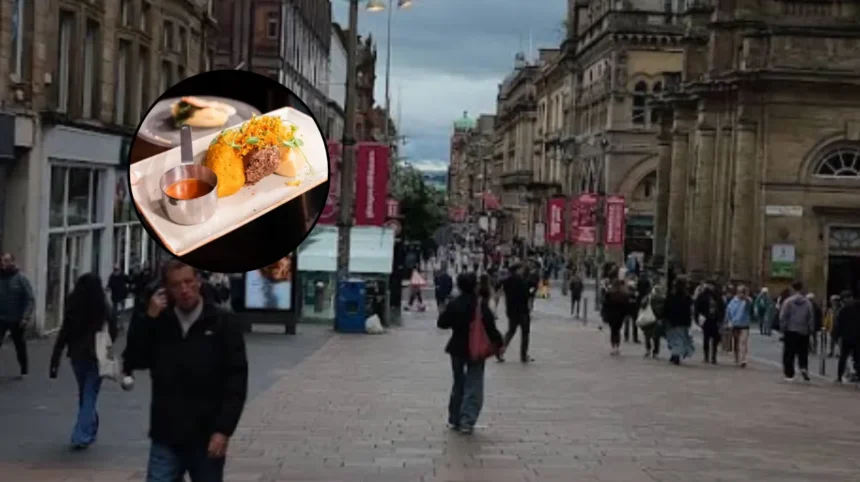
Establishments along Hope Street offer varied dining experiences rooted in regional ingredients. Venues such as Ardnamurchan specialise in sourcing produce from the Scottish Highlands and islands, offering traditional meat, seafood, and game dishes alongside an extensive selection of regional whiskies.
Which traditional pubs and bars line the Hope Street route?
For public house offerings, Hope Street contains several historic drinking spots. Venues situated near the base of the street near Central Station cater heavily to commuters seeking cask ales and classic bar meals, whilst establishments closer to Cowcaddens offer relaxed atmospheres suitable for evening gatherings.
Explore More City Centre News
Loose Snake Snaps at Shoppers in Glasgow City Centre 2026
Sauchiehall Street Cordon Issued After Serious Glasgow Disturbance 2026
What is the historical background of Hope Street’s commercial development?
Historically, Hope Street developed as a key north-south artery in Glasgow’s Victorian grid expansion. Over the past century, its proximity to major rail infrastructure at Glasgow Central and cultural institutions like the Theatre Royal transformed the thoroughfare into a prominent commercial strip.
The street’s architecture reflects this industrial and commercial evolution, with red and blonde sandstone tenements housing ground-floor hospitality units beneath residential and office spaces.
How will ongoing hospitality trends affect Glasgow’s city centre visitors and business owners?
The continued development of curated food and drink offerings along Hope Street is expected to reinforce footfall across the central business district.
For local hospitality operators, maintaining a presence on this arterial route offers consistent access to commuters, theatregoers, and tourists. However, business owners face ongoing economic pressures, including fluctuating supply costs and shifting consumer spending habits.
For city centre visitors and local consumers, the concentration of diverse venues ensures that Hope Street will remain a primary dining destination, adapting to demand for both casual street-level dining and higher-end culinary experiences.